
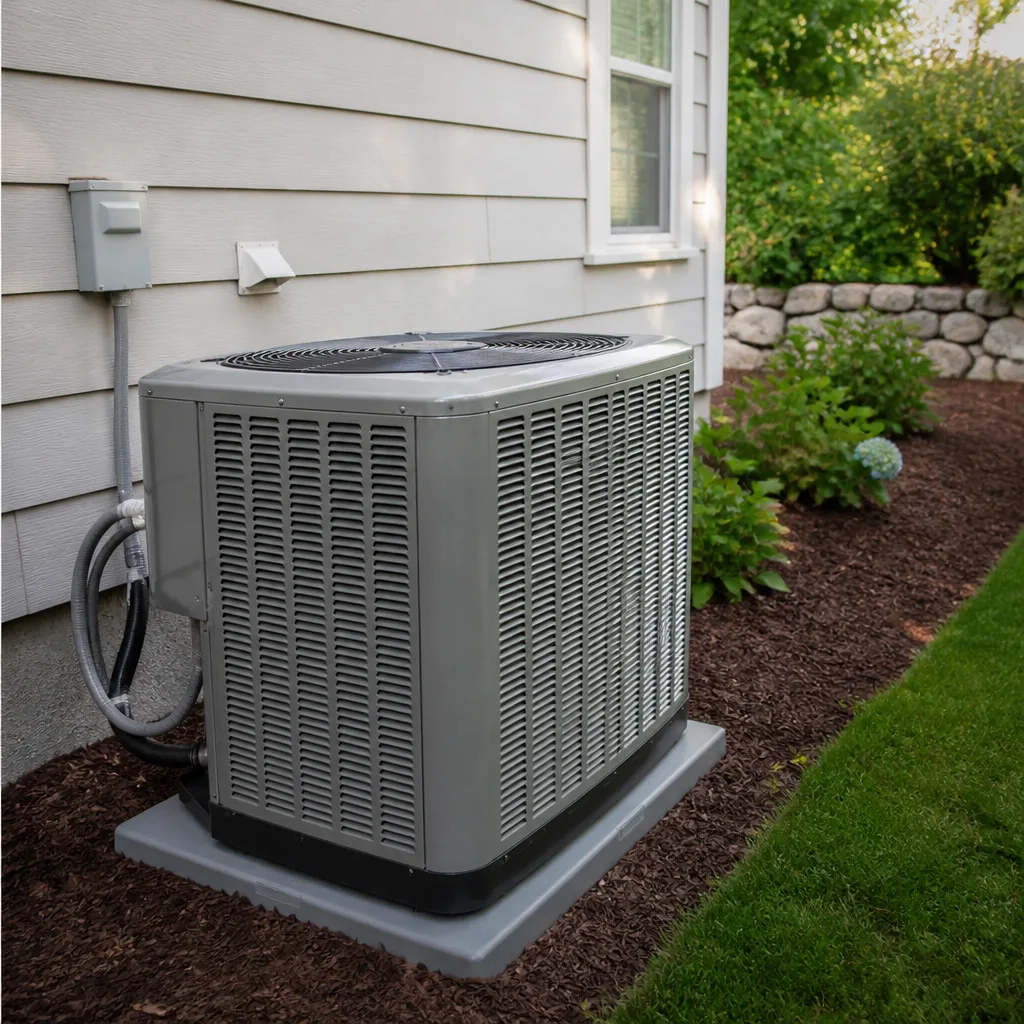
 AC repair
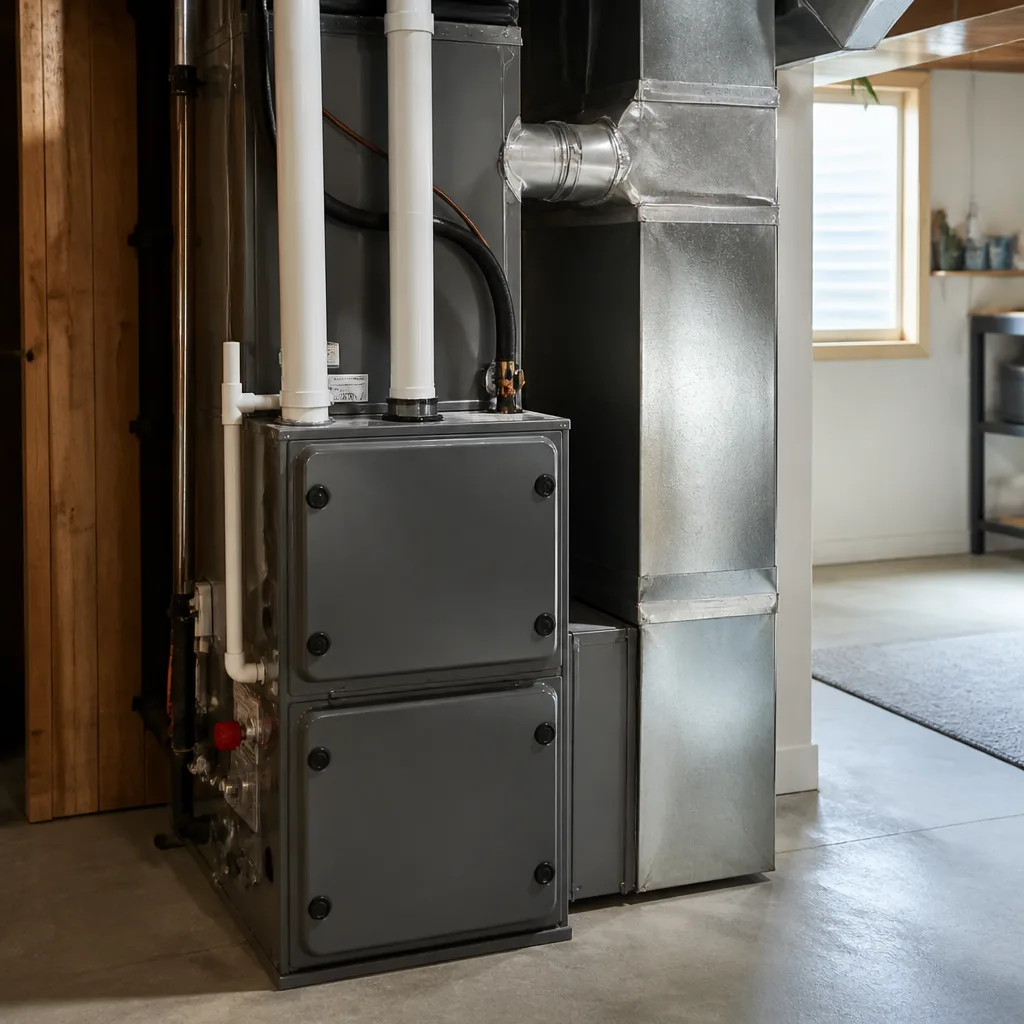 Furnace & heating
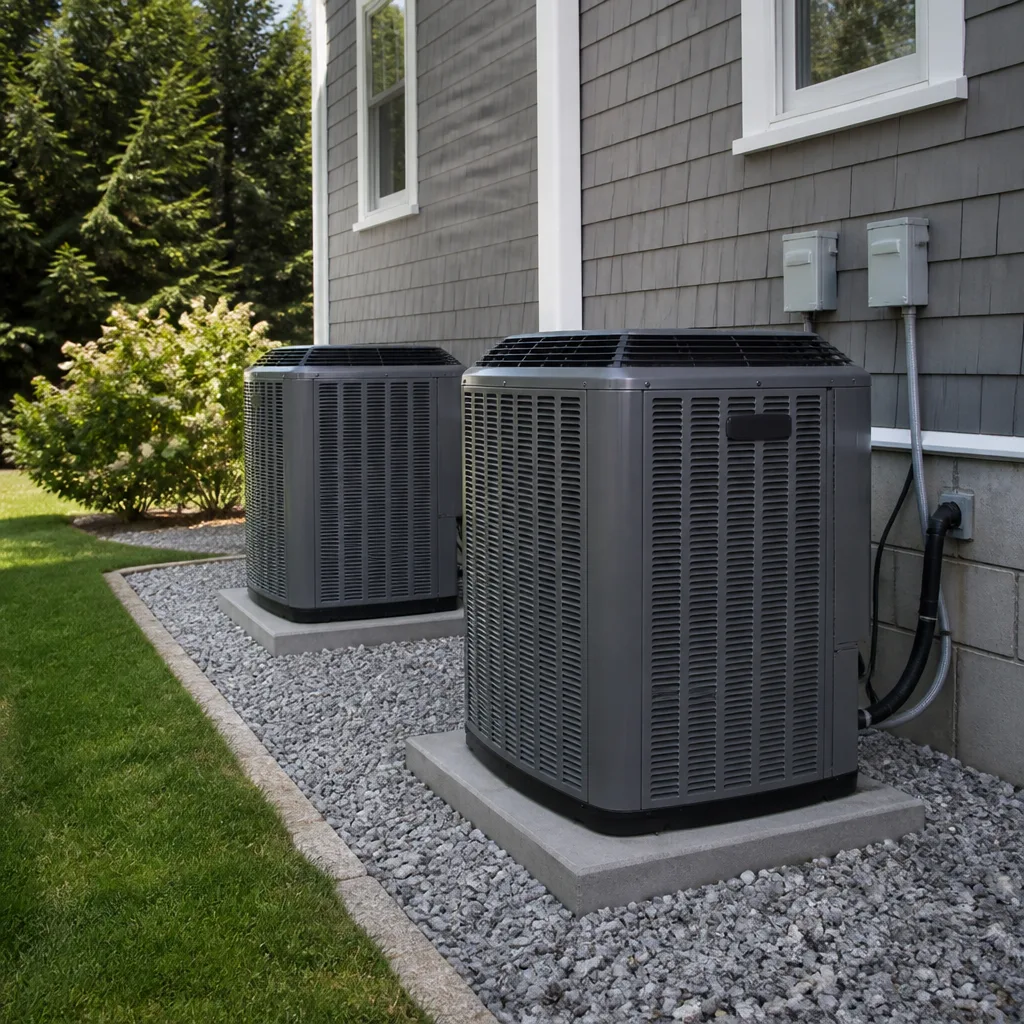 Heat pumps
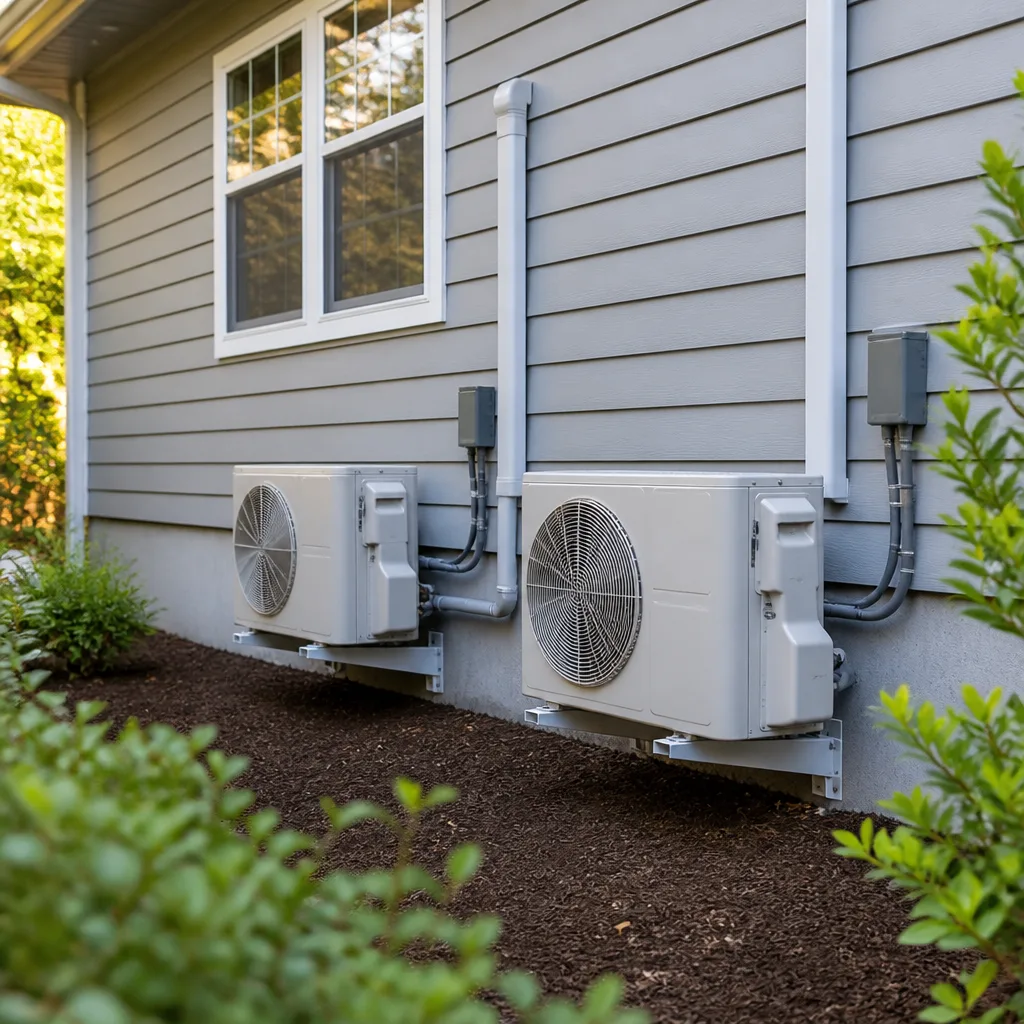 Ductless mini splits
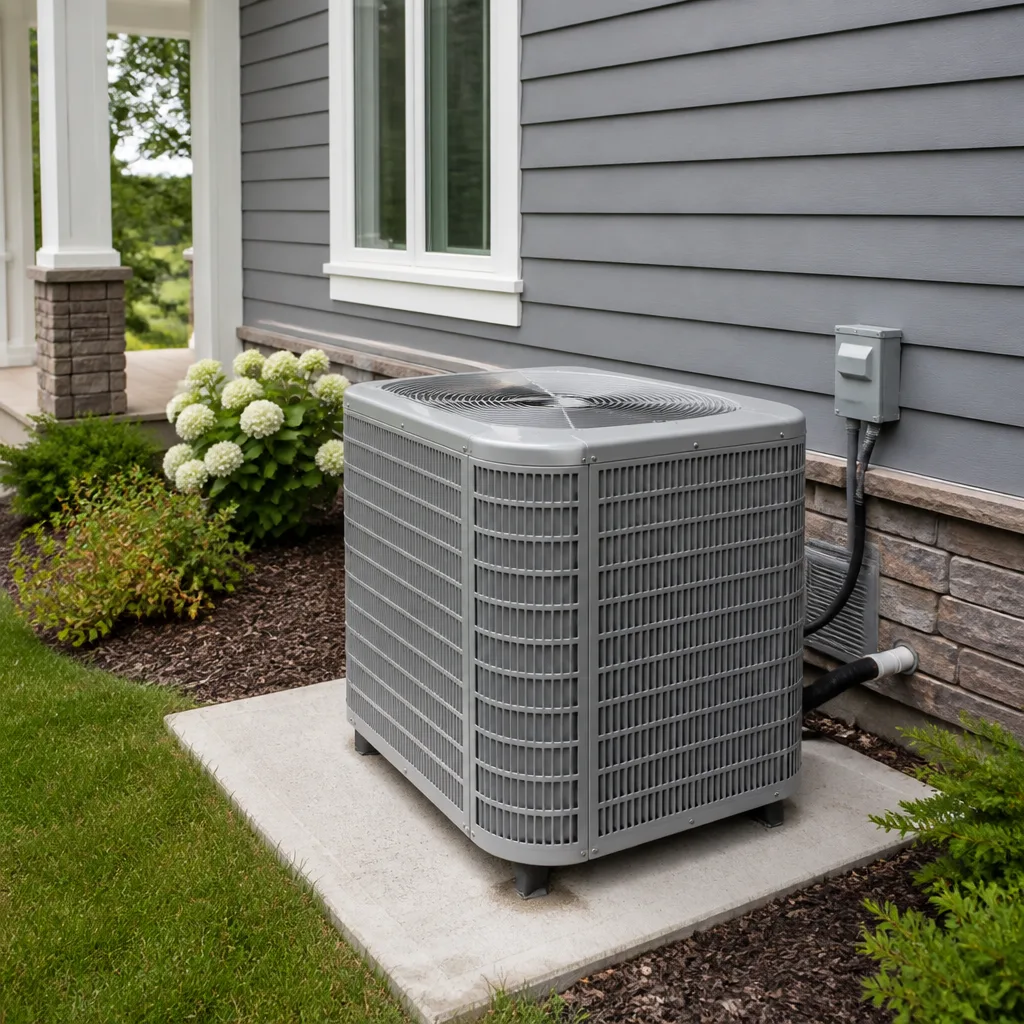 Carrier
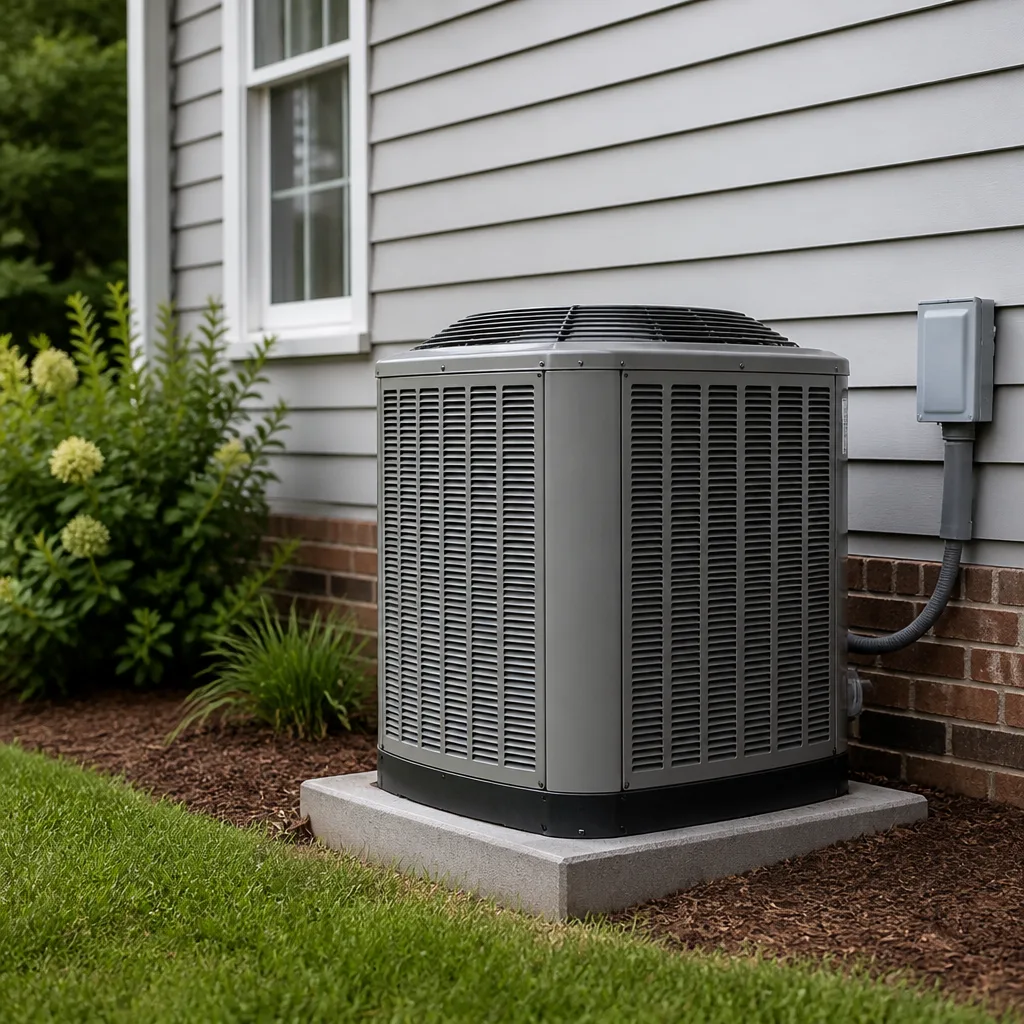 Trane
Trane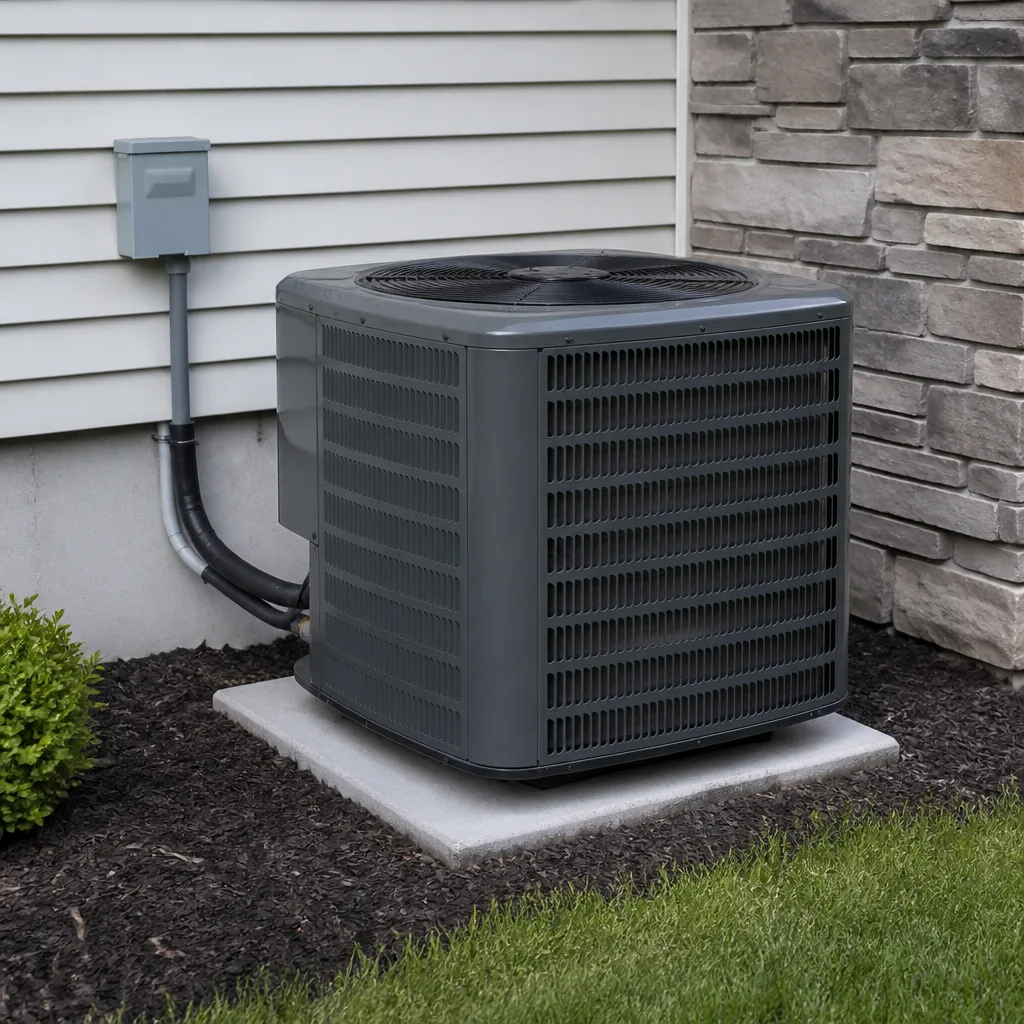 Goodman
Seasonal tune-up and full diagnostic on your Carrier, Trane, or Goodman system - readings shown to you before any repair is proposed
Diagnosis first, numbers second - you approve the repair price before a single part goes in.
Get your free estimateFast, Reliable AC Repair Across Alpine
When your air conditioner quits on a 104°F August afternoon in Alpine, you don’t need a callback queue. You need a technician who knows why systems fail up here. If you’re looking for AC Installation - Alpine, we also handle new system sizing for high-desert conditions. Most AC repairs in Alpine run $150 – $650, and our team answers the phone around the clock at (619) 793-3598. We serve the whole Alpine area, from Palo Verde to the Willows and up toward the 8 corridor, and we carry the parts that fail most often in this climate on our trucks.
Alpine’s high-desert location in the Cuyamaca Mountains isn’t like coastal San Diego. The same house that bakes at 102°F at 3 PM can drop into the low 40s by midnight. That 40°F swing is exactly what tears up aging condensers, capacitors, and line sets faster than anywhere else in the county. Our techs grew up working on the 1970s through 1990s ranch homes and split systems that dominate every street from South Grade Road to Tavern Road, and we know what to check first.
If your AC is blowing warm air, short-cycling, or making a buzzing sound at the condenser, call us now. You’ll get a live person, a straight answer, and a real arrival window. Most Alpine calls get same-day or next-morning service.
Why Cold Harbour Heating and Air San Diego Is Alpine’s Preferred AC Repair Company
Cold Harbour Heating and Air San Diego has been fixing air conditioners since 2003, and we operate as an independently owned and operated member of the Kingswell network. That means we hold ourselves to the same written standards everywhere we work, including Alpine. The Kingswell Way has five rules we don’t bend: say the price before the work starts, show up in the window we gave you, leave the place cleaner than we found it, put the guarantee in writing, and come back if the repair fails.
Every AC Repair we do in Alpine comes with our 365-Day Done Right Promise. It’s a written guarantee, handed to you before we leave. If that repair fails at any point inside a full year, we come back and correct it at no charge. Not a verbal promise. Not a conditional warranty. Paper.
Our AC Repair in Alpine customers also know who’s walking through the door. Every technician is background-checked and uniformed. Phones are answered by a live person 24 hours a day, 7 days a week, not a voicemail tree. And our techs are trained to service nine major residential brands, so whether you’ve got a 1980s R-22 Carrier up on a hilltop or a newer Daikin in a Palo Verde rancher, the same crew can handle it.
Styles & brands we work with
AC Capacitor Replacement in Alpine
AC Capacitor Replacement in Alpine is one of the most common repairs we do all summer, and the first June heat wave is when the calls spike. Your capacitor is a small metal cylinder inside the condenser that gives the compressor and fan motor the electrical kick they need to start. Alpine’s 40°F daily temperature swings force your system through repeated start-stop cycles, and each cycle strains that capacitor. After a few seasons of that, it swells, leaks dielectric fluid, or just burns out. Your outdoor unit hums but won’t turn, or it trips the breaker. On a 100°F afternoon, that’s a hard failure. A capacitor replacement in Alpine typically runs $150 – $650, parts and labor, and we carry the common sizes on the truck.
Why Alpine capacitors fail in early summer
The pattern is so predictable we can almost set a calendar to it. The first sustained heat of June pushes every system in the 91901 ZIP to run longer and cycle more often than it has since October. Capacitors that limped through the fall and spring finally give out. We see the same thing from South Grade Road to Arnold Way. If your AC worked fine in May and dies the first week of June, a capacitor is the first thing we check.
How we confirm the capacitor is actually the problem
Before we quote anything, we test. We check capacitance with a meter, inspect for swelling or leaking, and verify the contactor and wiring. Sometimes what looks like a dead capacitor is actually a refrigerant issue wearing down the compressor and causing amp spikes. In Alpine, where aging R-22 systems and heat-related failures overlap, that distinction matters. We don’t sell parts you don’t need. You get a written price before any work begins, and the repair is covered for 365 days.
AC Recharge in Alpine
AC Recharge in Alpine means adding refrigerant to a system that’s lost charge over time, usually through a slow leak in the line set. This is a repair our techs do constantly up here, and Alpine’s climate is a big reason why. Those 40°F day-to-night swings cause copper line sets to expand and contract, season after season. On 1980s R-22 systems, hairline leaks at braze joints and flare fittings are extremely common. The result is an AC that runs constantly but can’t get the house below 78°F. A recharge in Alpine typically runs $150 – $650 depending on whether your system uses R-22 or R-410A, and we’ll always pressure-test and look for the leak rather than just topping off and leaving. Topping off a leaking system without finding the leak is a temporary fix at best. On Alpine’s older equipment, we tell you what’s actually going on.
R-22 systems on Willows Road and beyond
Plenty of Alpine homes still run original R-22 condensers from the 1980s. R-22 hasn’t been manufactured in the U.S. for years, so the price stays high, but it’s still available for service. If your system holds R-22, recharge is often the right call while you budget for a replacement. The worst move is ignoring a low charge: the compressor runs hotter, pressures climb, and you end up replacing a $1,800 compressor instead of doing a $400 recharge.
Recharge vs capacitor failure on older systems
Here’s the pattern we see on Alpine’s hilltop properties: a system short-cycles, the homeowner (or another tech) assumes capacitor, swaps it, and the AC still doesn’t cool. The real issue is low refrigerant from a slow line-set leak. Alpine’s temperature swings create exactly this confusion. We always check both. Subcooling and superheat readings tell us which problem you have, and we fix that, not the guess.
Trusted Brands We Service in Alpine
Our technicians are trained on nine major residential HVAC brands, including Carrier, Trane, Lennox, and American Standard. In Alpine specifically, we see a lot of Carrier and Goodman equipment from the 1980s and 1990s, plus newer Bryant and Daikin installs in recently renovated homes around Palo Verde. We stock common capacitors, contactors, fan motors, and refrigerant on our trucks, so most Alpine repairs are same-visit fixes. If a part has to be ordered, a live person updates you daily until it arrives. No chasing a dispatcher through an answering service.
See the difference
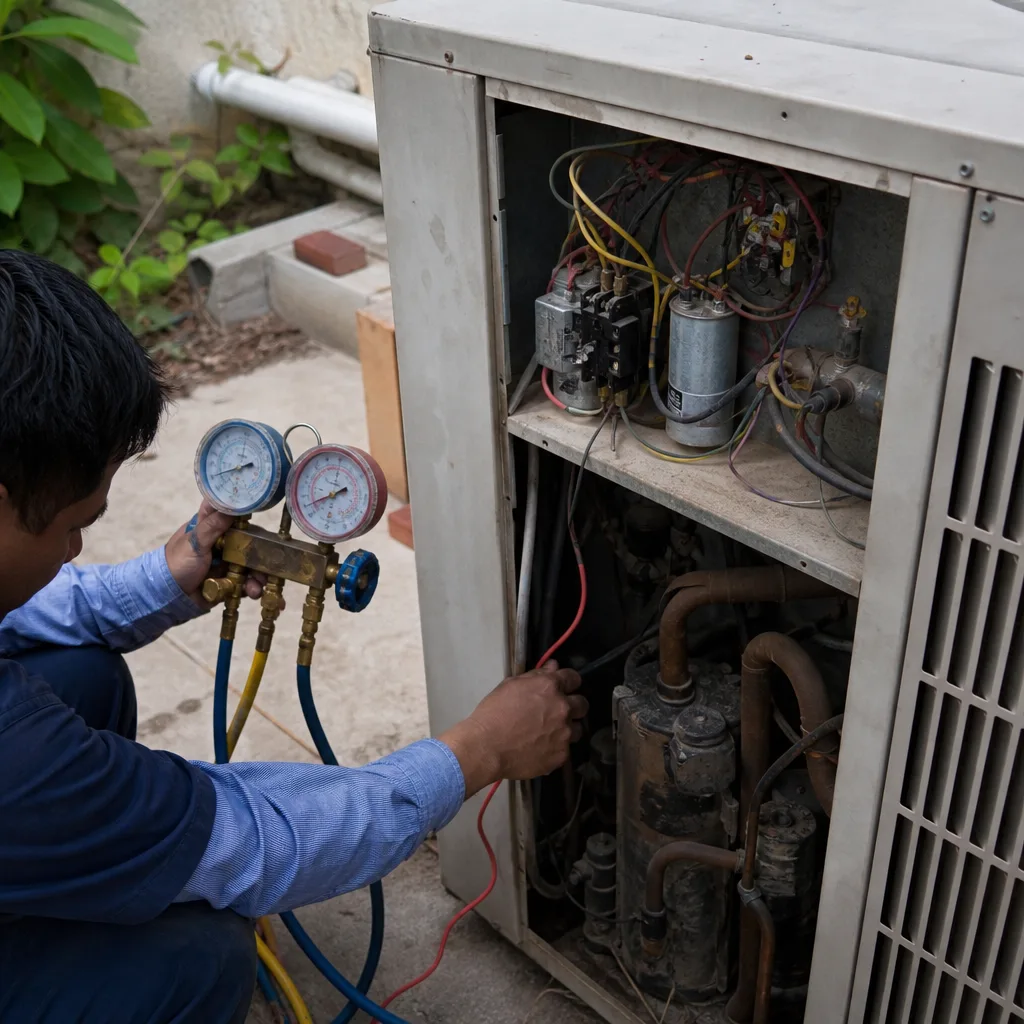 Before
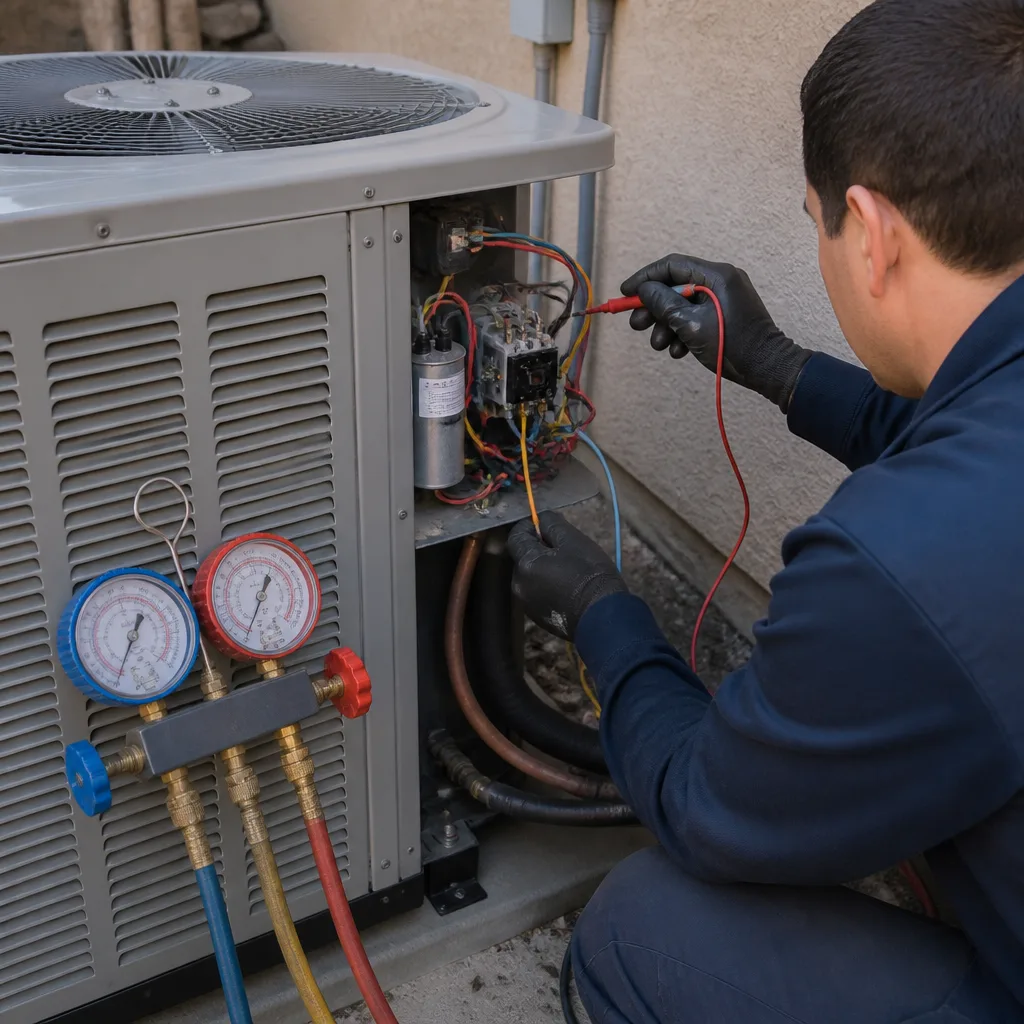 After
After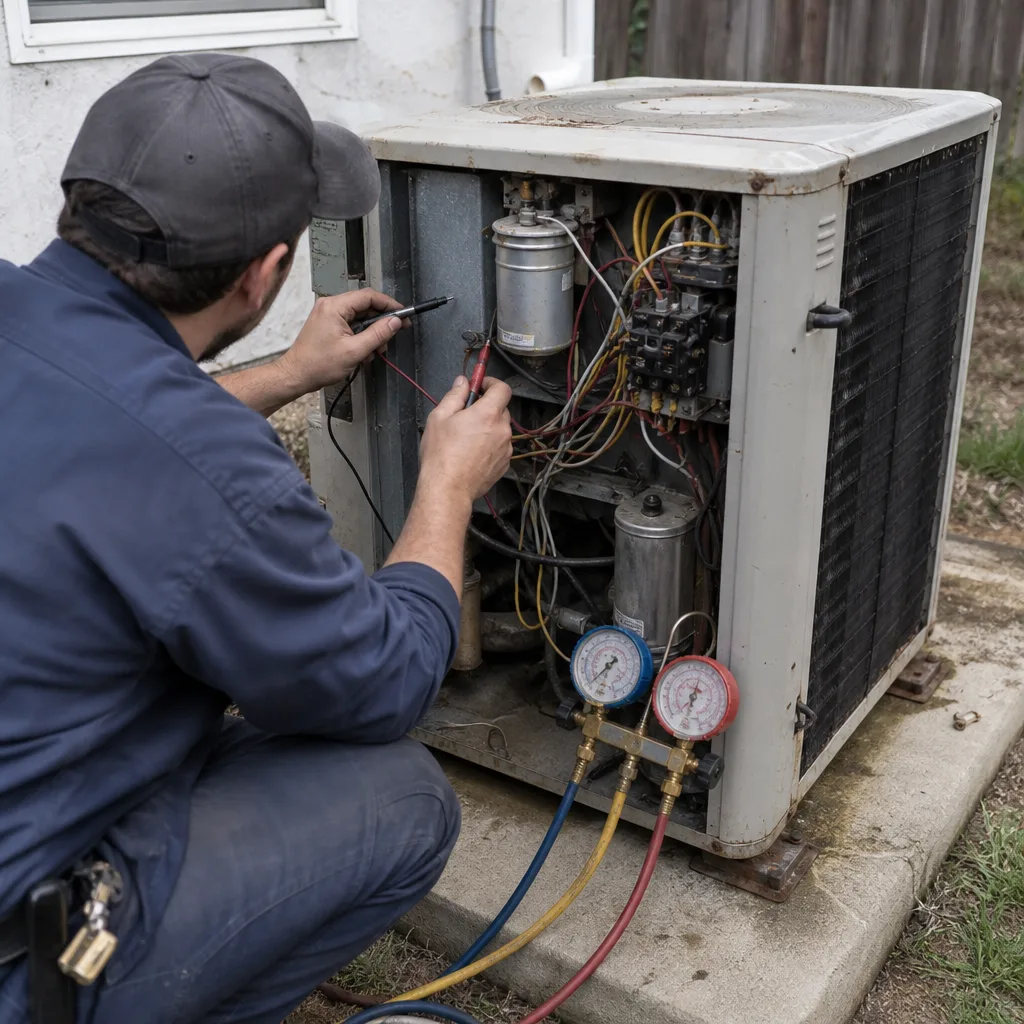 Before
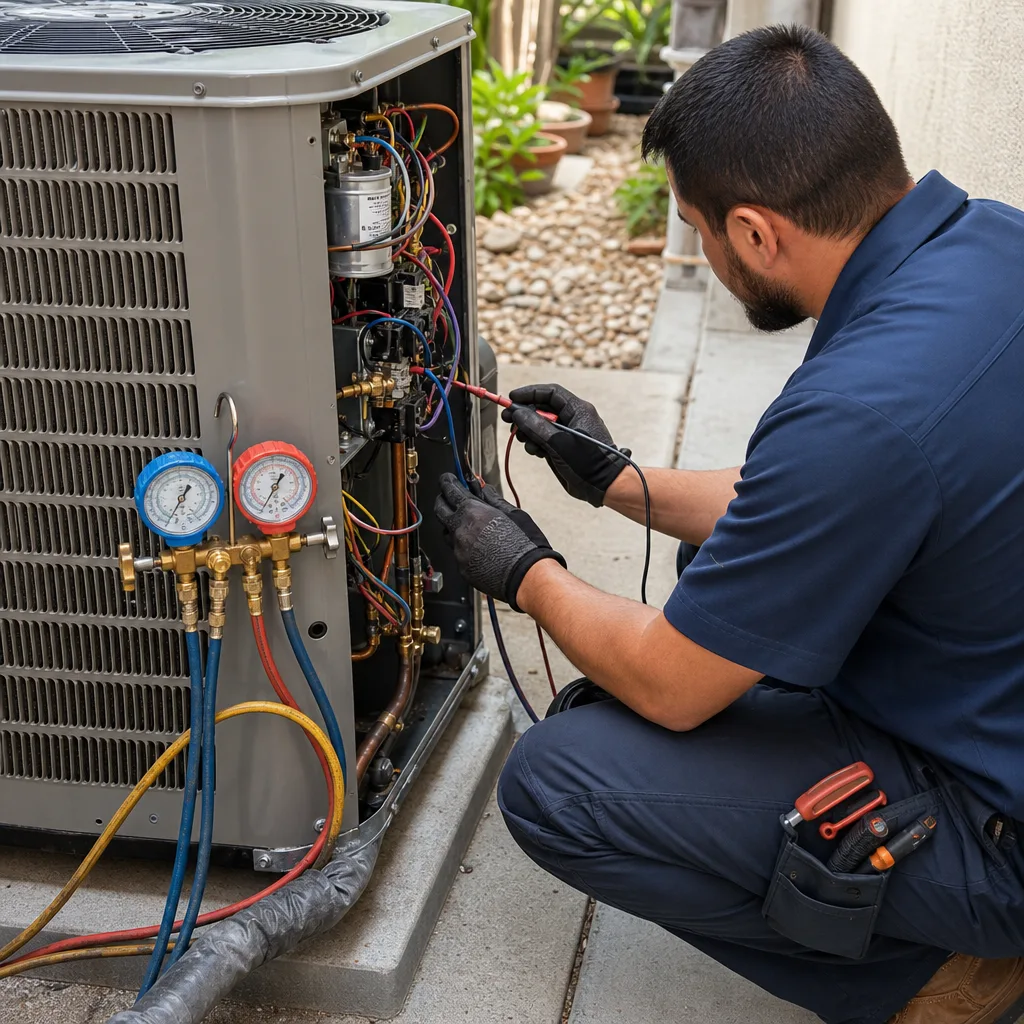 After
After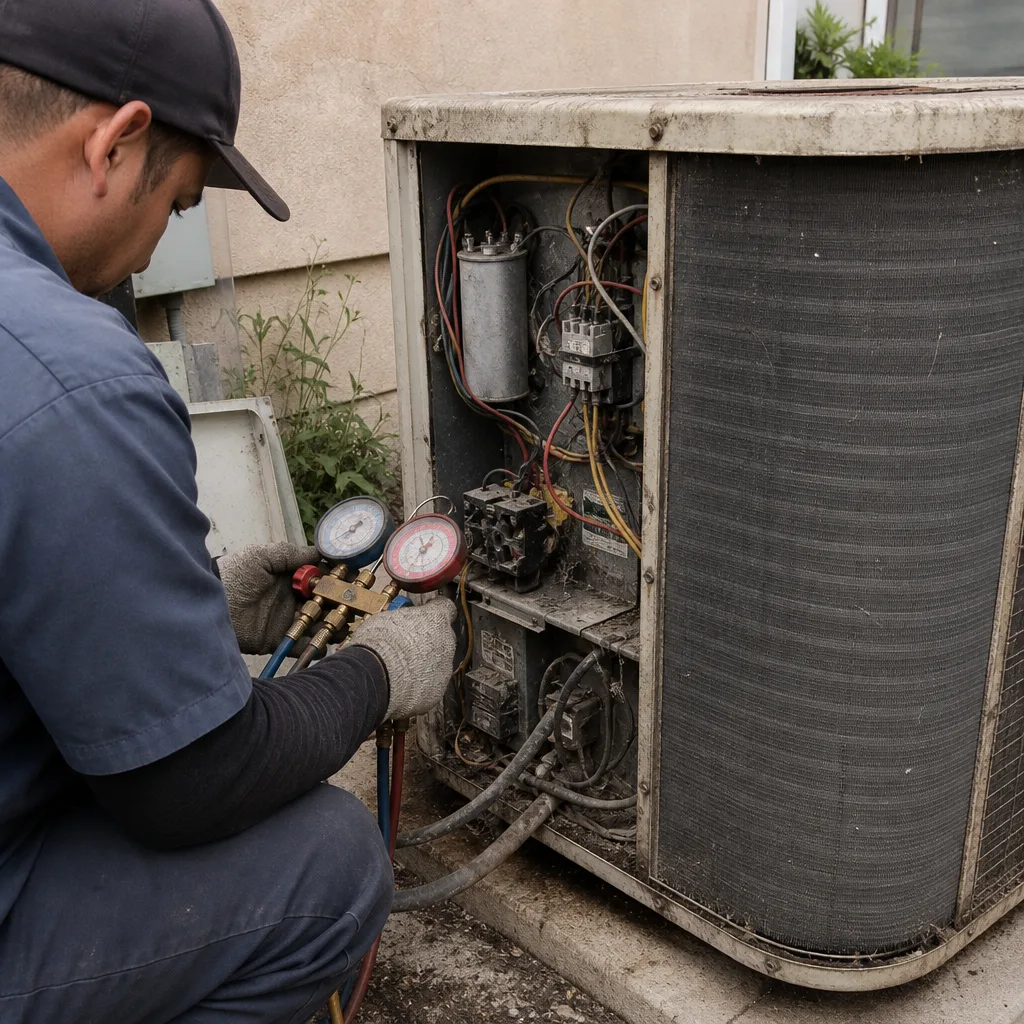 Before
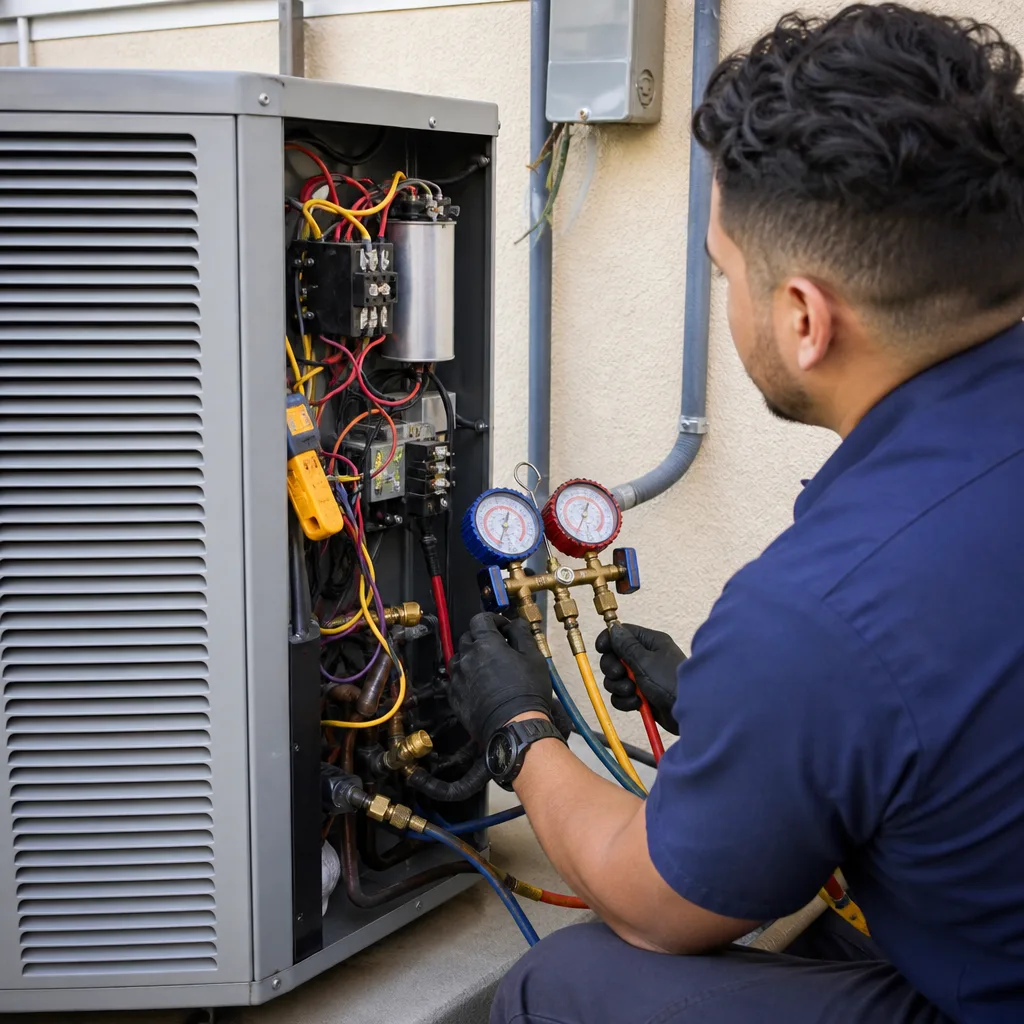 After
AfterCommon AC Repair Problems We See in Alpine Homes
- Blown capacitors after the first June heat wave. Months of mild spring weather followed by the first 100°F stretch causes a surge of failed starts. The unit hums, the fan doesn’t spin, and the breaker trips.
- Slow refrigerant leaks on aging R-22 line sets. Forty-degree daily temperature swings expand and contract copper joints until they crack microscopically. The system cools poorly for weeks before it quits entirely.
- High static pressure from undersized 1970s – 1990s ductwork. Original ranch-home ducts were designed for smaller systems. When you put a higher-capacity condenser on the same ducts, blower motors burn out and evaporator coils freeze.
- Clogged condenser coils on exposed hilltop lots. Pine needles, dust, and high-desert grit pack into outdoor units on wind-exposed properties. That raises head pressure until the compressor trips on thermal overload.
Pricing for AC Repair in Alpine, CA
Here’s what AC repair actually costs in Alpine right now. Our diagnostic service call runs $150 – $650 depending on how far up the mountain you are and how complex the system is. Capacitor replacement lands in that same range. A refrigerant recharge (R-22 or R-410A) also falls in the $150 – $650 band depending on how many pounds your system needs and which refrigerant it uses.
| Service | Typical Range in Alpine |
|---|---|
| Diagnostic Service Call | $150 – $650 |
| AC Capacitor Replacement | $150 – $650 |
| AC Recharge (R-22 or R-410A) | $150 – $650 |
The diagnostic fee covers a full system evaluation, and if you approve the repair, it’s credited toward the work. You get a written price before any tool comes out, and that price doesn’t change at the door. Estimates are free. Call (619) 793-3598 for an exact number on your system.
We Also Serve Cities Near Alpine
Our Alpine crew also runs calls into the surrounding foothill and valley communities. If you’re in Alpine but have a rental or family place nearby, we cover Lakeside, El Cajon, Santee, and Spring Valley too. Same live-answer phone, same written guarantee, same 365-day promise on every repair.
Serving Alpine, CA - Our Local Coverage Area
We’re based in the Alpine area and know this community well. Use the map below to see our service coverage - if you’re nearby, we can almost certainly help.
FAQs About AC Repair in Alpine
Capacitors fail in early June because Alpine’s systems sit mostly idle through the mild, cool weeks of April and May, then get hit with the first sustained 100°F stretch and run in shorter, harder cycles. That repeated inrush current strains the dielectric inside the capacitor until it swells and fails. It’s not bad luck. It’s a predictable mechanical reaction to the region’s heat pattern. If you hear a hum and the fan isn’t spinning, call (619) 793-3598 and we’ll have a tech out same day.
Yes, we repair R-22 systems all the time in Alpine. There are hundreds of original 1980s condensers still running up here, from the Willows to South Grade Road. R-22 is still available for service, and a recharge or capacitor replacement can keep an old system cooling for several more seasons. Replacement is worth considering if your compressor fails or the coil is leaking badly, but we’ll show you the numbers for repair versus replacement and let you decide with a written price in hand.
It’s not the hilltop itself that raises static pressure; it’s the ductwork typical of 1970s – 1990s ranch homes built on those exposed lots. Original ducts were sized for older systems with lower airflow requirements. When a newer condenser is paired with those ducts, the system works against higher resistance. Blower motors overheat and fail, evaporator coils freeze, and the system short-cycles. We measure static pressure during diagnostics because Alpine’s housing stock makes this a recurring issue.
A capacitor failure is electrical: the unit hums, the fan won’t spin, or the breaker trips, and the system won’t start at all. A refrigerant leak is mechanical: the system starts and runs, but it can’t reach the temperature you set, and the air from the vents is warmer than it should be. Alpine’s temperature swings cause both, sometimes together, and that’s exactly why we test both on every diagnostic. Replacing a capacitor won’t fix a low charge, and adding refrigerant won’t fix a dead capacitor. We check before we quote.
A regular AC plus a propane furnace is the standard setup across most of Alpine, especially on larger rural lots where natural gas isn’t available. If your furnace is working fine, you don’t need a heat pump. Where a heat pump does make sense is on a property with an older propane system that’s near the end of its life, or an ADU or workshop you want to heat and cool efficiently. We’ll run the math on your actual home before recommending either direction. Call (619) 793-3598 and we’ll get someone out to look.
Written by Victor Mancini, Owner at Cold Harbour Heating and Air San Diego, serving Alpine since 2003.