
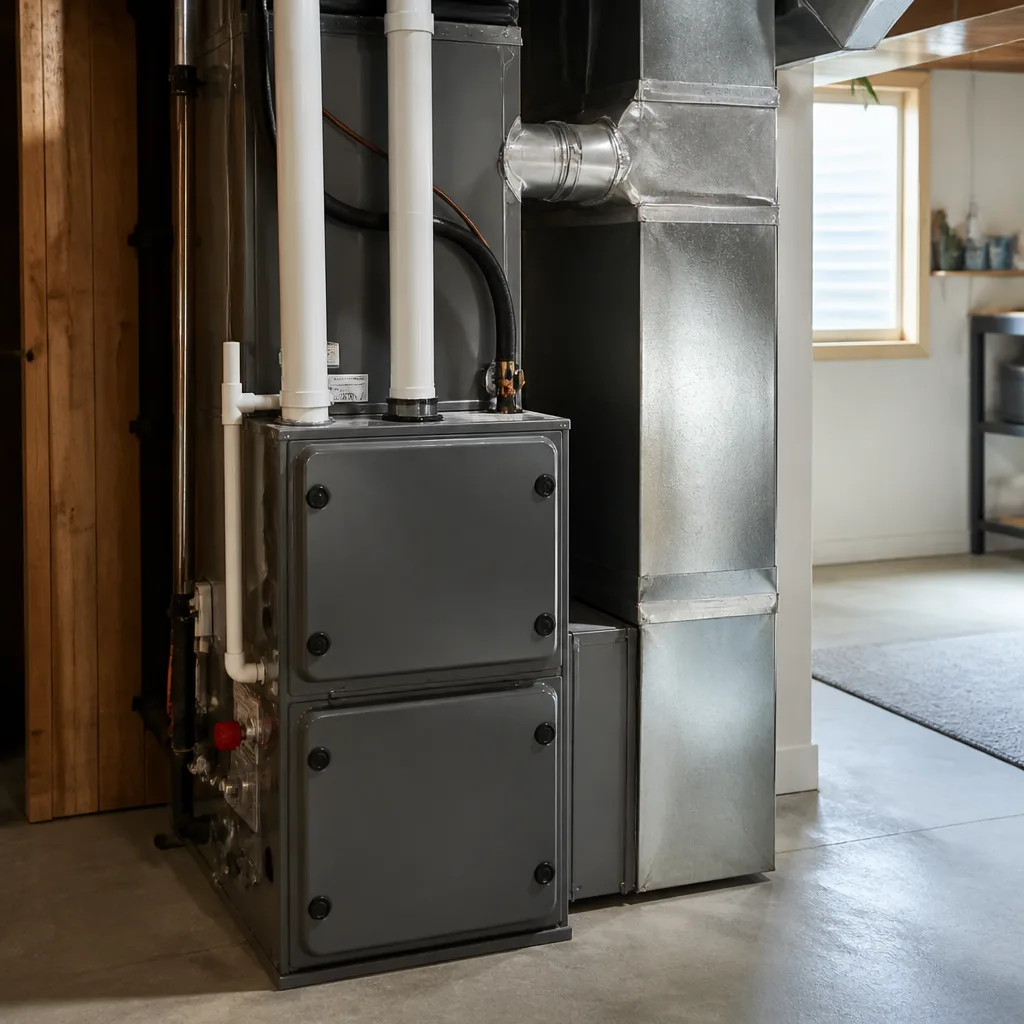
 Furnace & heating
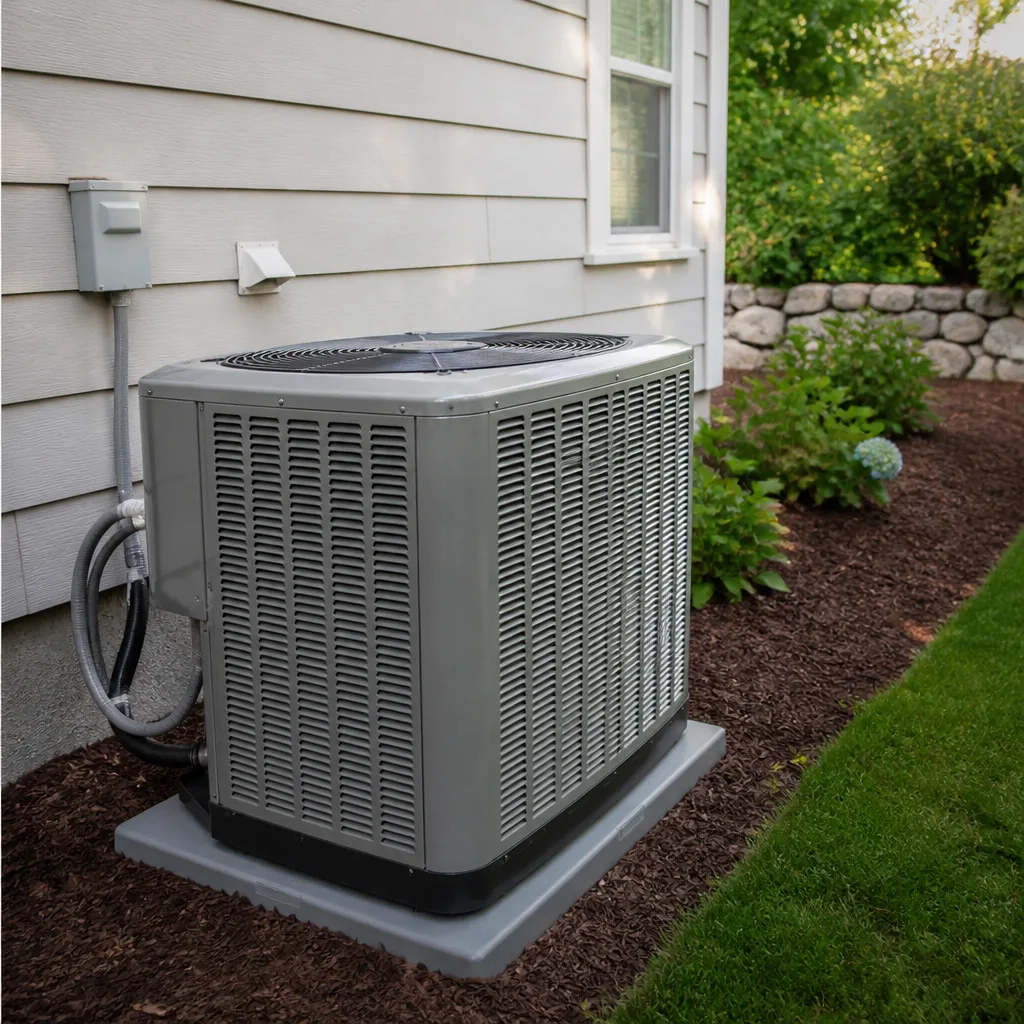 AC repair
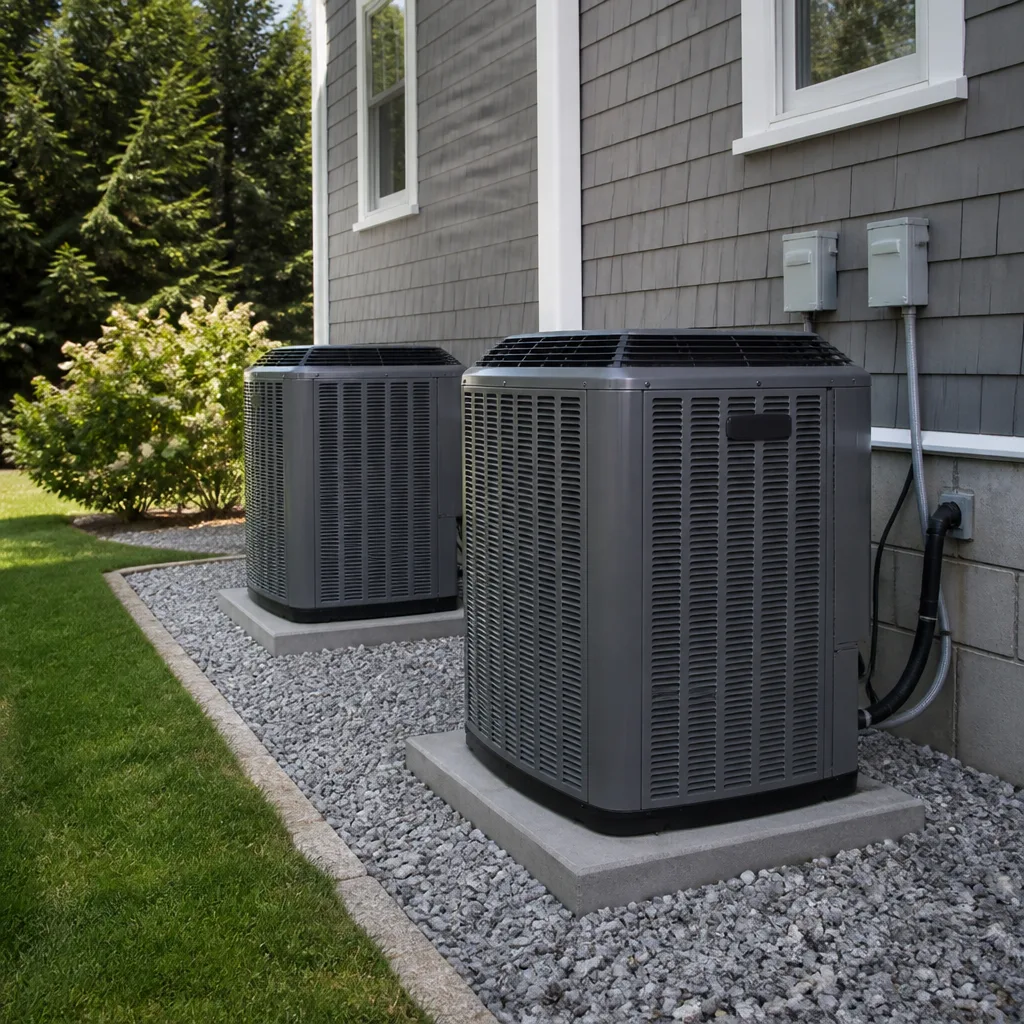 Heat pumps
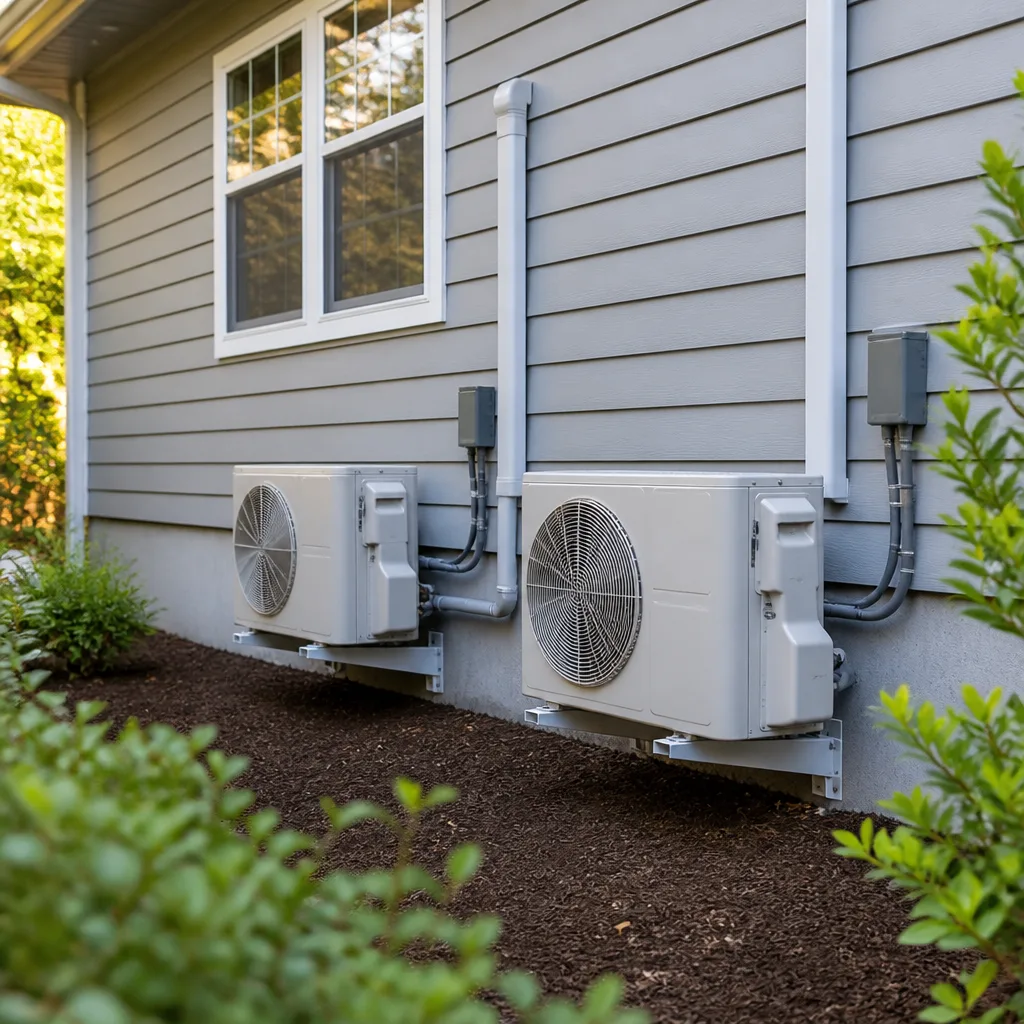 Ductless mini splits
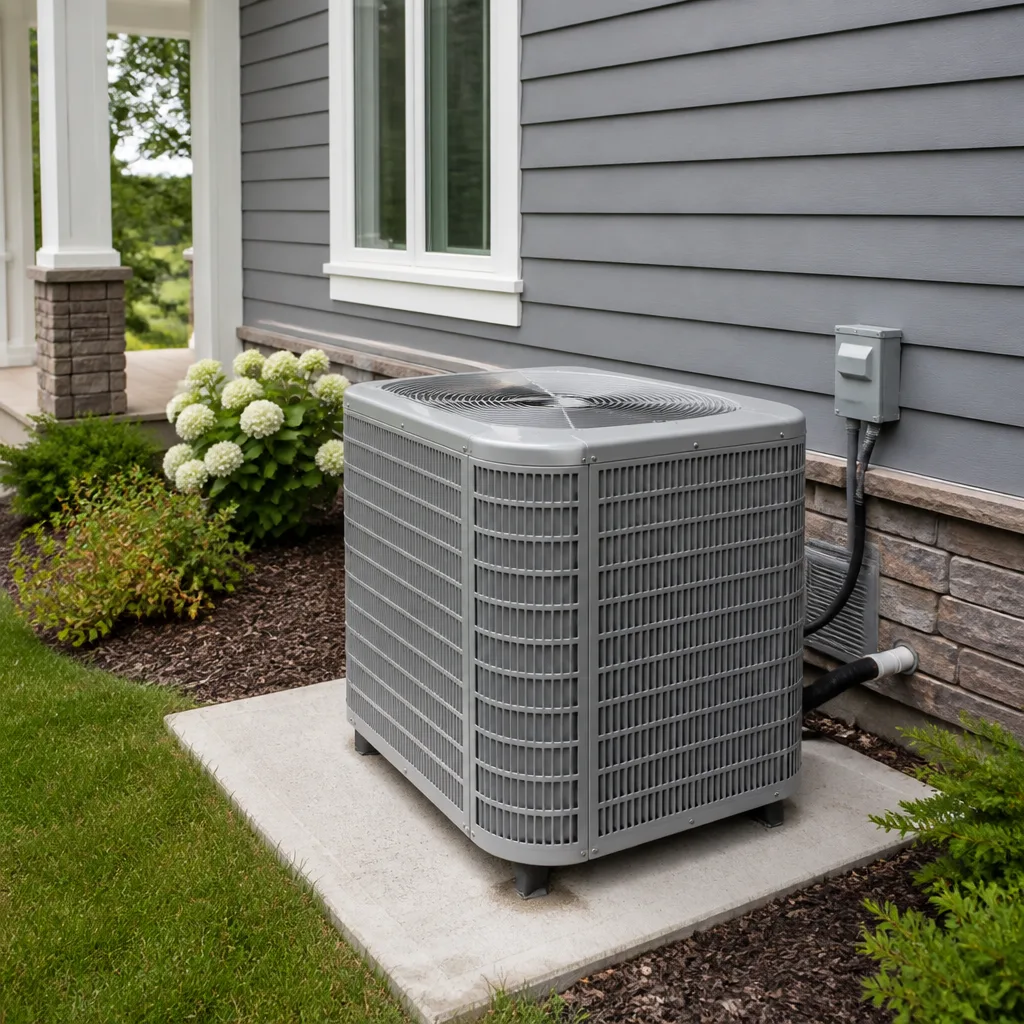 Carrier
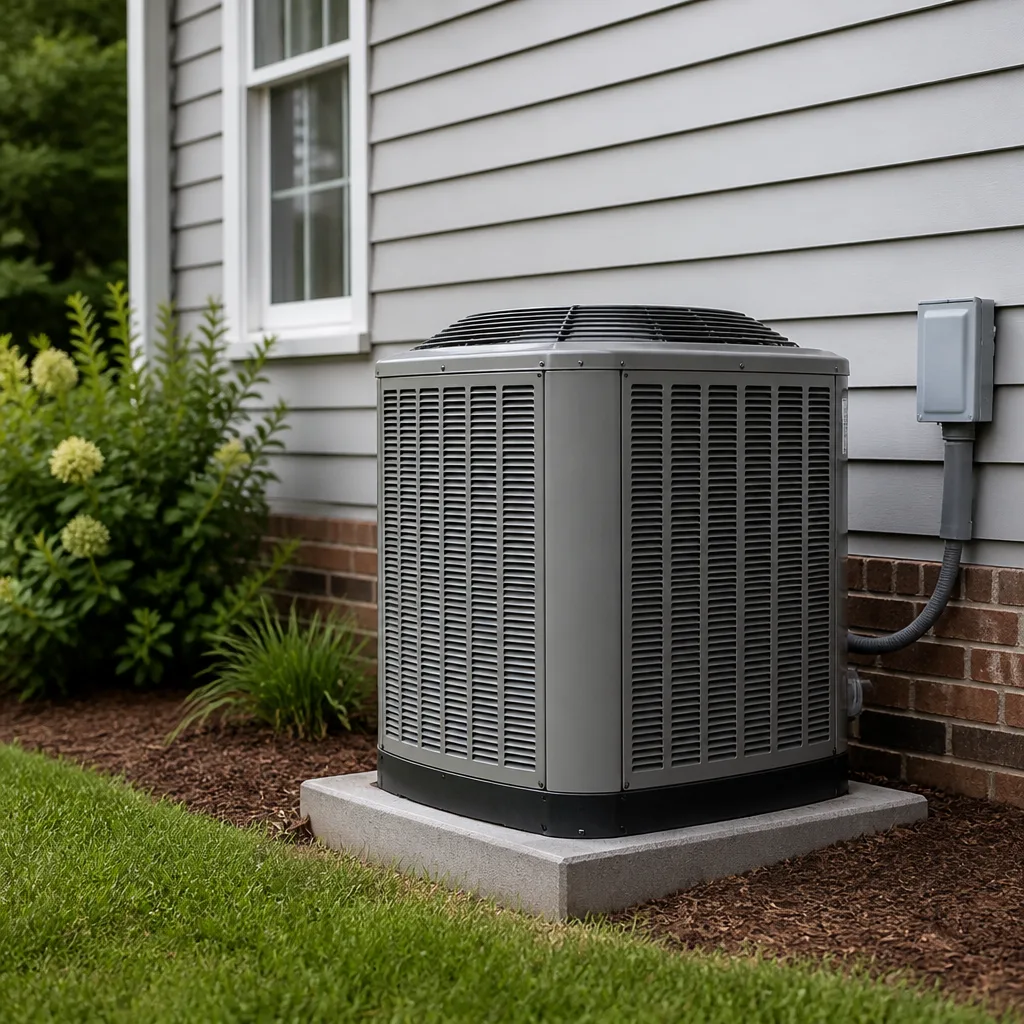 Trane
Trane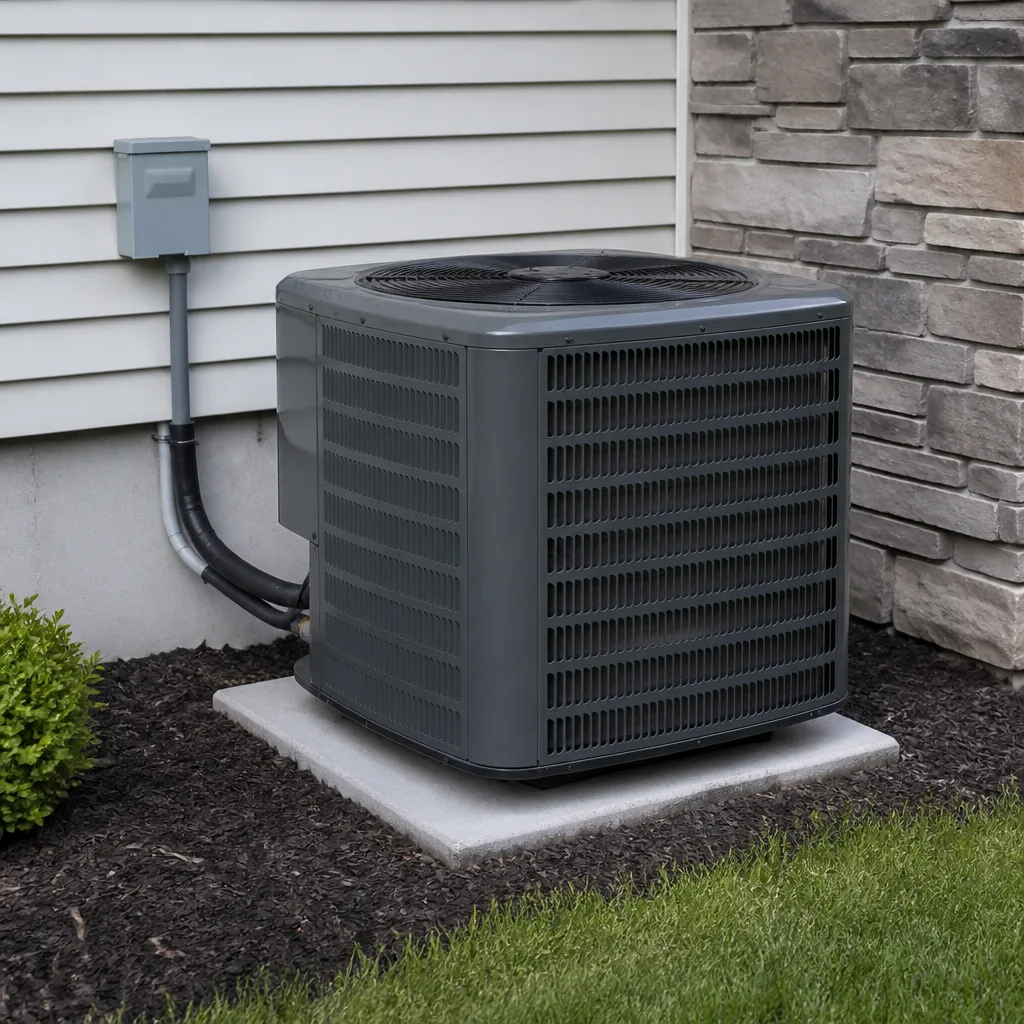 Goodman
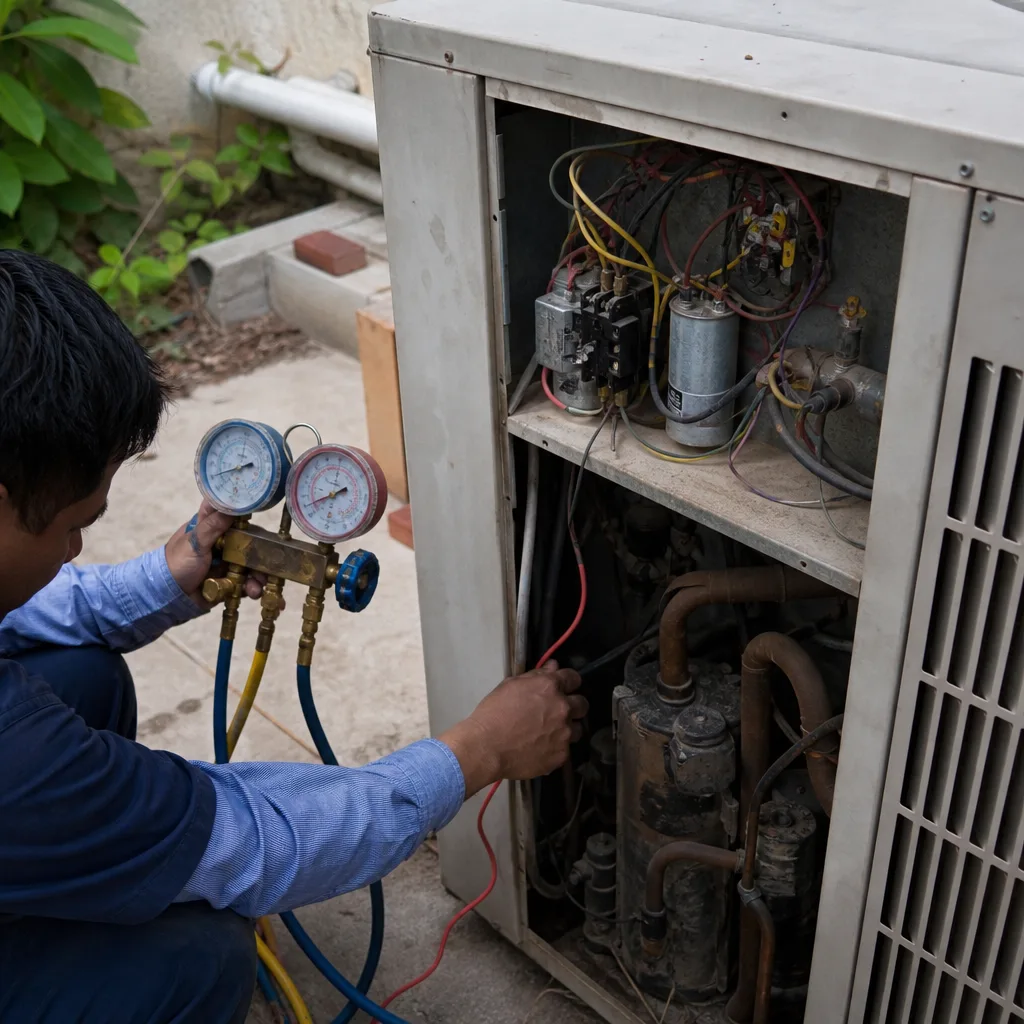
Seasonal tune-up and full diagnostic on your Carrier, Trane, or Goodman system - readings shown to you before any repair is proposed
Diagnosis first, numbers second - you approve the repair price before a single part goes in.
Get your free estimateCarrier Mini-Split Installation: The San Diego Owner’s Guide
We install, replace, and repair Carrier mini-split systems throughout San Diego, and we stock the installation hardware, line sets, and mounting components needed to get your system running before the coastal humidity makes itself at home in your walls. A complete Carrier mini-split installation in San Diego typically runs $4,130 – $8,850 depending on capacity, number of zones, and line-set distance. Many single-zone installations we schedule can be completed in one visit, and we always hand you a written price before any work begins.
The way San Diego homeowners usually discover a mini-split installation issue is gradual: the indoor unit on the wall starts dripping onto the floor in August, or the outdoor compressor hums but the room never actually cools. Sometimes it’s a failed flare connection that leaked refrigerant slowly over two years. Sometimes it’s a condensate pump that gave out or an electrical connection that loosened over hundreds of heat cycles near the coast. We’ve pulled apart units in Clairemont Mesa and Pacific Beach with the same story: corrosion from salt air got into the flare fittings, or the original install used an undersized line set that’s been choking the system since day one.
Which Carrier Models This Applies To
Carrier’s mini-split line includes the Performance series (38MGRQ outdoor units paired with 40MBQB indoor units), the Infinity ductless systems (the high-efficiency end with communicating controls), and the Comfort series single-zone units common in San Diego garage conversions and ADUs. What catches owners off guard is that Carrier changed their indoor unit mounting plate dimensions between the older 38/40M series and the current MGRQ/MBQB generation. The new plates are about an inch narrower in the horizonal span, which means a direct wall swap isn’t always a clean match, and you’ll see the difference when the new unit doesn’t cover the old screw anchors.
Another Carrier-specific gotcha: the Infinity ductless systems require the matching communicating remote or wall control, not a generic third-party thermostat. We’ve visited homes where a well-meaning handyman wired in a standard 24V thermostat to a communicating mini-split and took out the indoor unit’s control board. The fix was a new board, not a new system, but it was an expensive detour. As an independent provider, we’re not affiliated with Carrier, but our techs are trained on Carrier ductless equipment specifically, and we match OEM parts or quality aftermarket equivalents case by case. If we’re matching an aftermarket line set or flare adapter, we tell you exactly what we’re using and why. Trane and Lennox ductless parts are also stocked on our trucks for the homes that have mixed systems.
Styles & brands we work with
Signs Your Carrier Mini-Split Installation Is Failing
- Water dripping from the indoor unit onto the wall or floor. This usually means a clogged condensate line, a failed condensate pump, or a cracked drain pan in the wall-mounted head. On Carrier units, the drain pan notches into the unit’s frame on the left side, and a hairline crack there will drip slowly, not dramatically, for weeks before you notice the stain.
- The system runs but doesn’t cool (or heat) like it used to. Low refrigerant from a slow flare leak is the most common cause in San Diego, especially on units within two miles of the coast where salt air has been working on the brass flare nuts. We check flare torque with a torque wrench on every Carrier mini-split we service, because most leaks we find are under-torqued or over-torqued fittings from the original install.
- Ice building on the line set or at the indoor coil. That frosting means restricted airflow or low charge. It’s not just a performance issue; liquid refrigerant flooding back to the compressor will kill the outdoor unit over time. We’ve replaced compressors in Carmel Valley and Scripps Ranch where the root cause was a dirty inlet screen that a previous company didn’t check.
- A ticking, buzzing, or rattling noise from the outdoor unit. Carrier mini-split condensers are relatively quiet, so any new sound is worth investigating. A buzz at startup often indicates a failing capacitor; a rattle under load is usually a loose compressor mount. On Carrier-specific boards, a clicking relay that never fully engages will prevent the compressor from starting, which is frequently misdiagnosed as a failed compressor by shops that don’t meter the relay output.
- The indoor unit won’t respond to the remote, or responds intermittently. Before assuming the remote is dead, we check the IR receiver eye on the indoor unit. Carrier’s receiver sits behind that small dark lens on the lower right of the unit, and on older Performance-series heads it’s a separate board, not integrated into the main control, which means it’s replaceable without a full control-board swap. We also check that the remote itself isn’t set to the wrong address code, which happens more often than anyone wants to admit after a homeowner replaces batteries.
See the difference
 Before
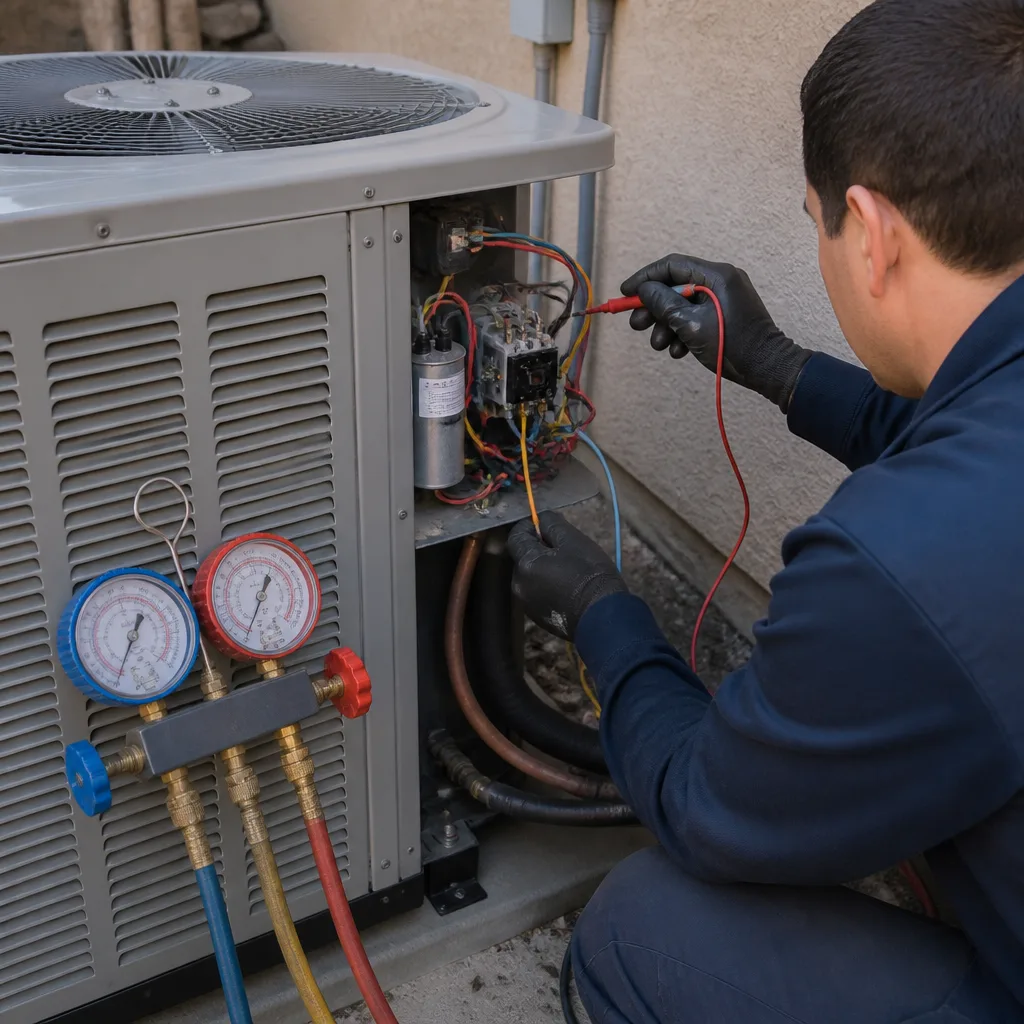 After
After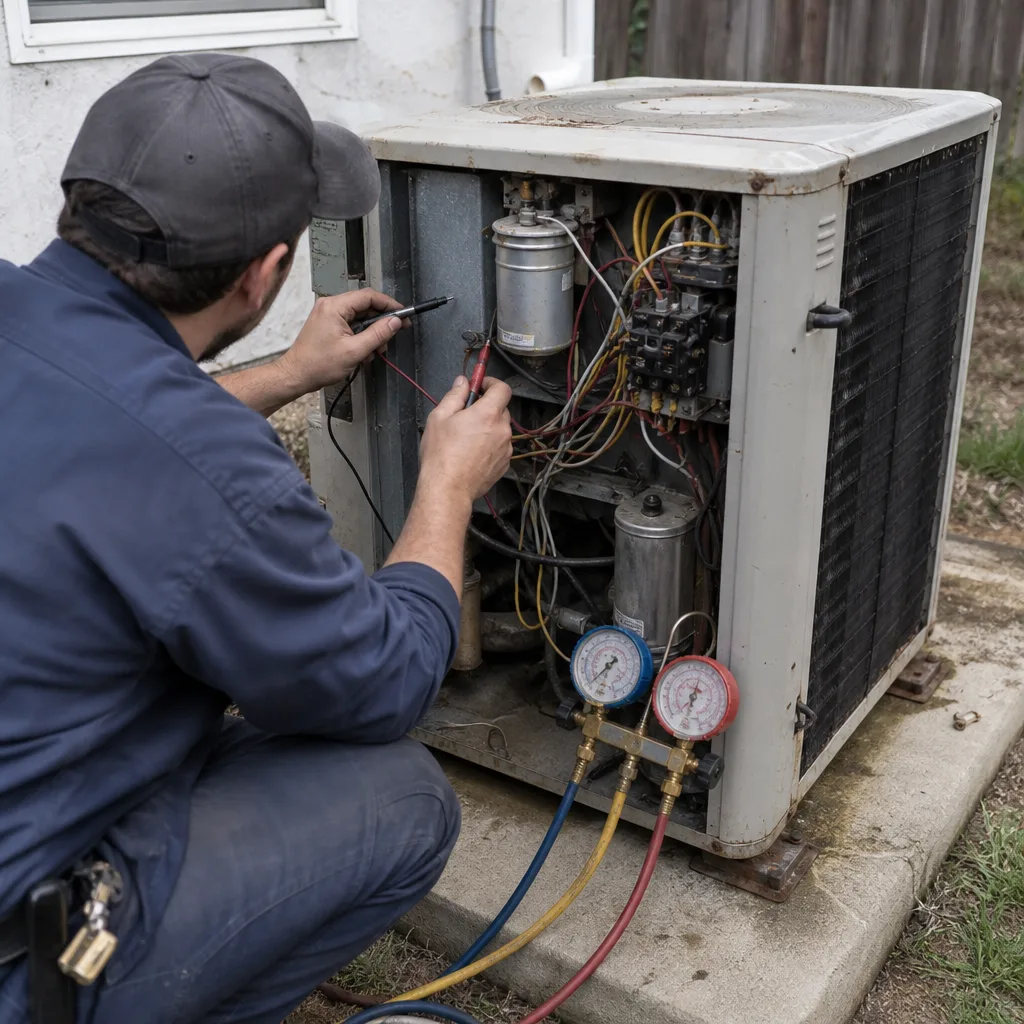 Before
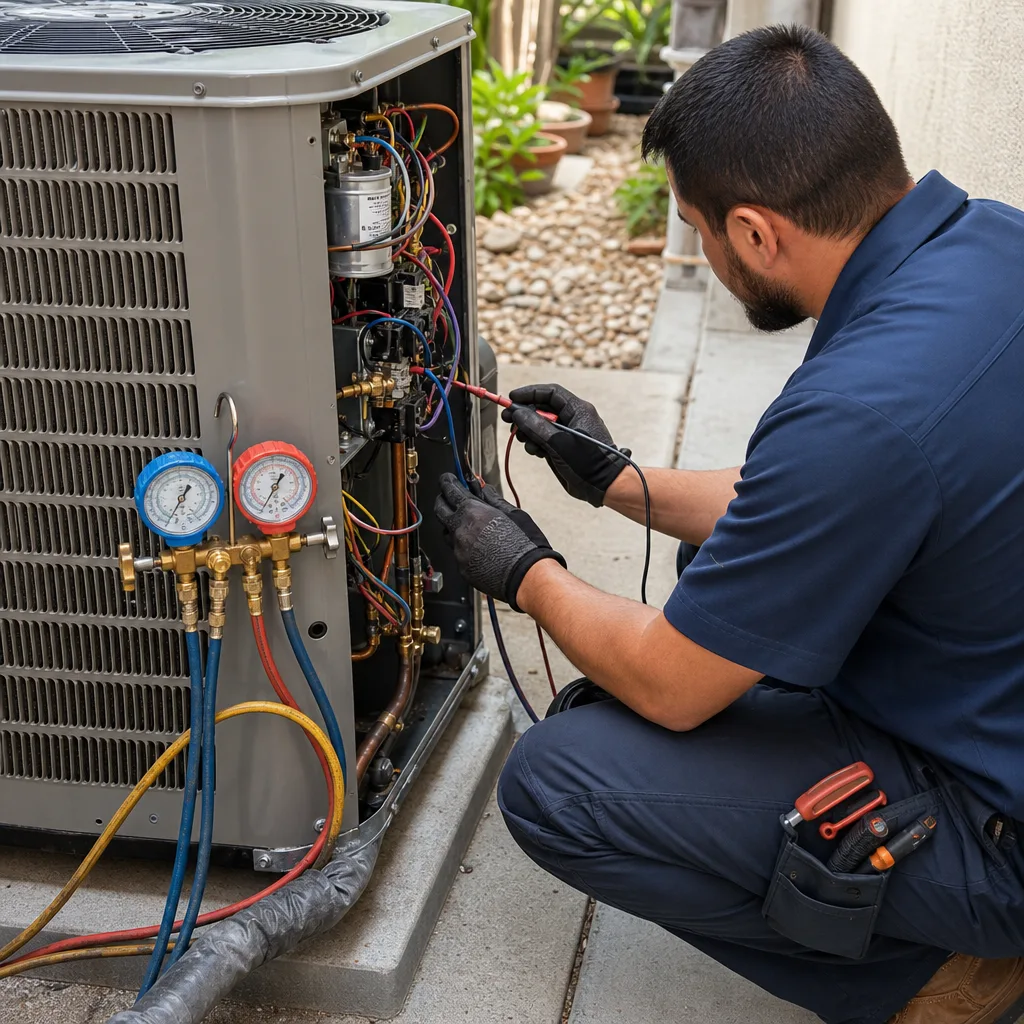 After
After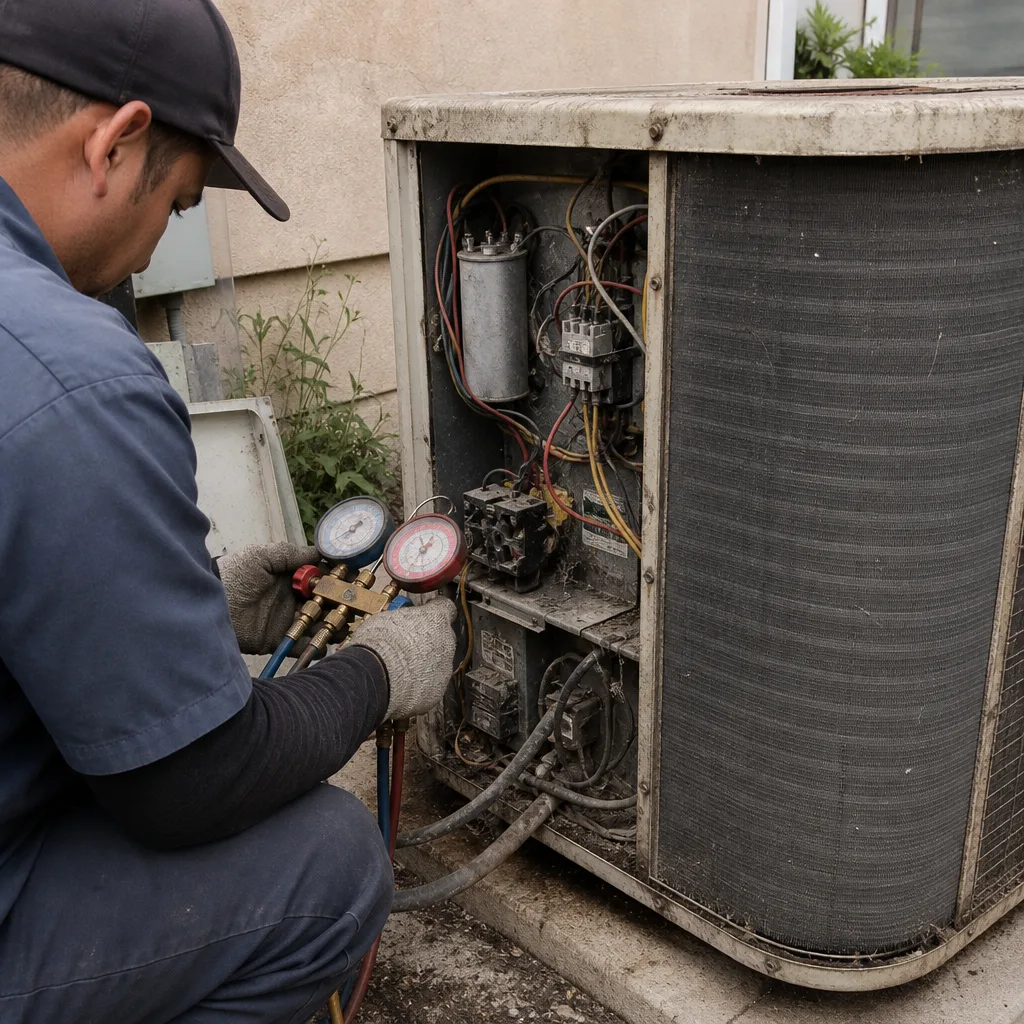 Before
 After
AfterReplacement Cost & What’s Included
A full Carrier mini-split installation in San Diego runs $4,130 – $8,850 depending on system capacity (9k, 12k, 18k, 24k+ BTU), single- or multi-zone configuration, and the distance from the outdoor unit to the indoor heads. That price covers the equipment, line set, electrical disconnect, mounting hardware, pad or wall bracket, and the labor to do it right. When the scope is installing a new indoor head or outdoor unit to match an existing Carrier system, the range usually lands at the lower end of that spread unless the line set needs to be replaced as well.
What drives the price up in San Diego specifically is the line-set run. A garage-converted ADU in North Park with the condenser on the opposite wall might need 40 feet of copper line set, and copper isn’t getting cheaper. Multi-head systems add branch boxes and purging valves, plus more labor. We write the full price before any tool comes out of the truck, and the written quote includes the flush, the nitrogen pressure test, the vacuum pull, and the startup verification. The installation is covered by our 365-Day Done Right Promise: if the work fails inside a year, we return and make it right at no charge, in writing, every time.
DIY or Call Us?
You can check a few things yourself: confirm the breaker is on, make sure the remote has fresh batteries and is set to the correct unit address, and verify that the outdoor unit isn’t buried in leaves or blocked by storage bins. These are checks we encourage, and they cost you nothing.
What we’d strongly advise against is touching the refrigerant side of a Carrier mini-split. The line set, flare fittings, and service valves hold refrigerant under pressure, and opening the system without proper gauges, vacuum pump, and recovery tank will vent refrigerant into the air, ruin the compressor, and put you in front of a system that now costs more to fix than it did before you started. Same goes for the control side: Carrier ductless boards are communicating and low-voltage, but a wiring mistake that backfeeds 240V into the indoor unit’s logic board is a fast way to turn a $200 repair into a $600 control-board replacement. We’re glad to talk through what you’re seeing over the phone. Call us at (619) 793-3598, and we’ll tell you straight whether it’s something to check yourself or something to let us handle.
FAQs
A properly installed Carrier mini-split system in San Diego should run 15 – 20 years with basic maintenance, though coastal exposure can shorten the outdoor unit’s lifespan by a few years due to salt-air corrosion on the coil and flare fittings, which is why we recommend a yearly inspection on any unit within two miles of the beach. The single biggest factor is the original installation quality: a clean flare, a proper vacuum, and a torque-spec’d connection are the difference between a system that leaks at year two and one that holds charge for a decade. Call (619) 793-3598 for a written estimate to replace or reinstall your Carrier mini-split.
Yes, most Carrier mini-split failures are repairable, and that’s where we start: a failed capacitor, a leaking flare fitting, a dead condensate pump, or a control-board fault can all be fixed without replacing the system, with repair pricing landing in the $175 – $765 range in San Diego. We’ll tell you honestly when a compressor has failed and the math favors replacement, but we don’t push replacement on a repairable system. Call (619) 793-3598 and we’ll tell you what we’d do in our own home.
A single-zone Carrier mini-split installation in San Diego, with the outdoor unit on a pad or wall bracket within 25 feet of the indoor head, is usually a one-day job, roughly 6 – 8 hours from truck arrival to startup verification. Multi-zone systems or long line-set runs can stretch to two days, and we’ll give you a firm arrival window and a written schedule before the work starts. Call (619) 793-3598 for an exact timeline on your home’s layout.
Yes, our trucks carry the common Carrier installation components: line-set insulation, flare nuts, mounting plates, condensate pumps, drain line kits, and control wire, plus OEM and quality aftermarket indoor and outdoor unit boards for the Performance and Comfort series. If we need a model-specific Carrier replacement part that isn’t on the truck, we can source it locally or have it ordered without leaving your system offline any longer than necessary. Tell me what it’s doing, and I’ll tell you what it needs – no guesswork, no upsell. Call (619) 793-3598.
Written by Victor Mancini, Owner & Lead HVAC Technician, Cold Harbour Heating and Air San Diego at Cold Harbour Heating and Air San Diego, serving San Diego and nearby areas.