
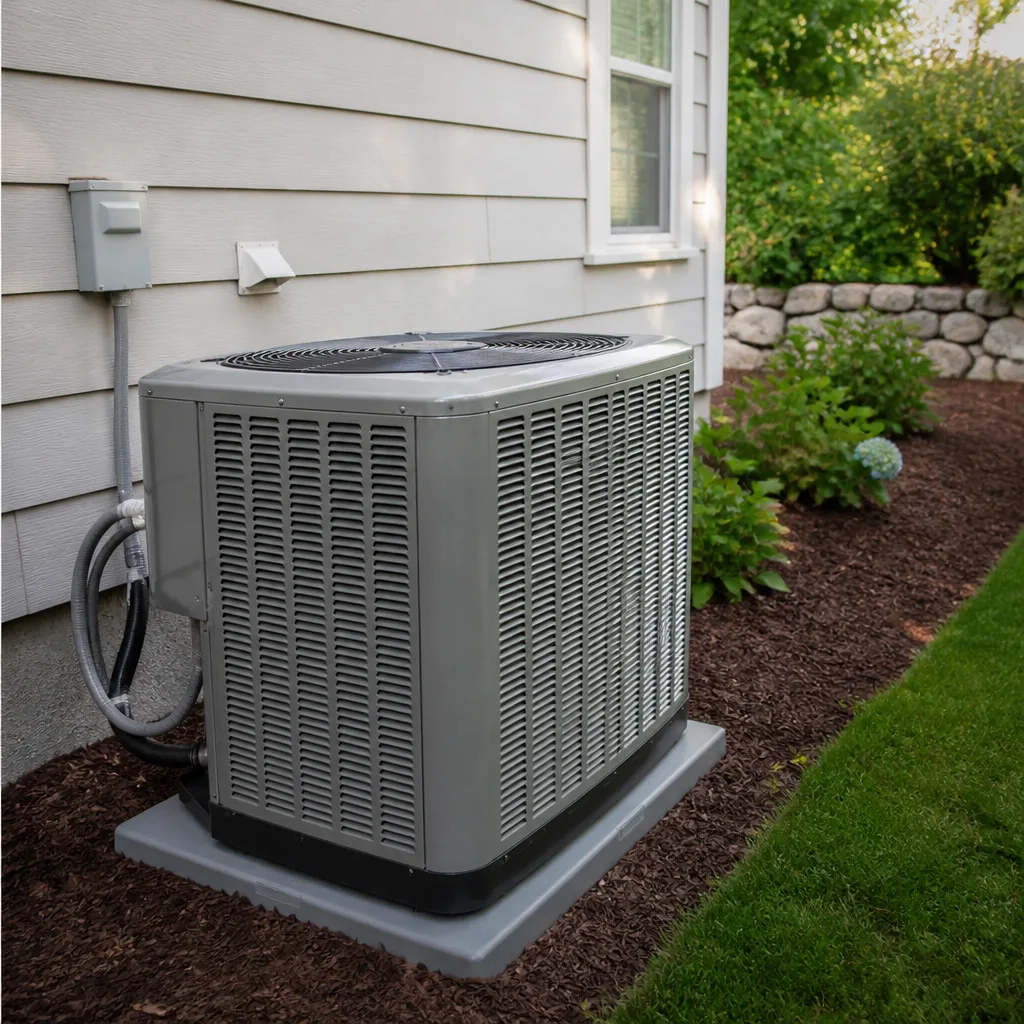
 AC repair
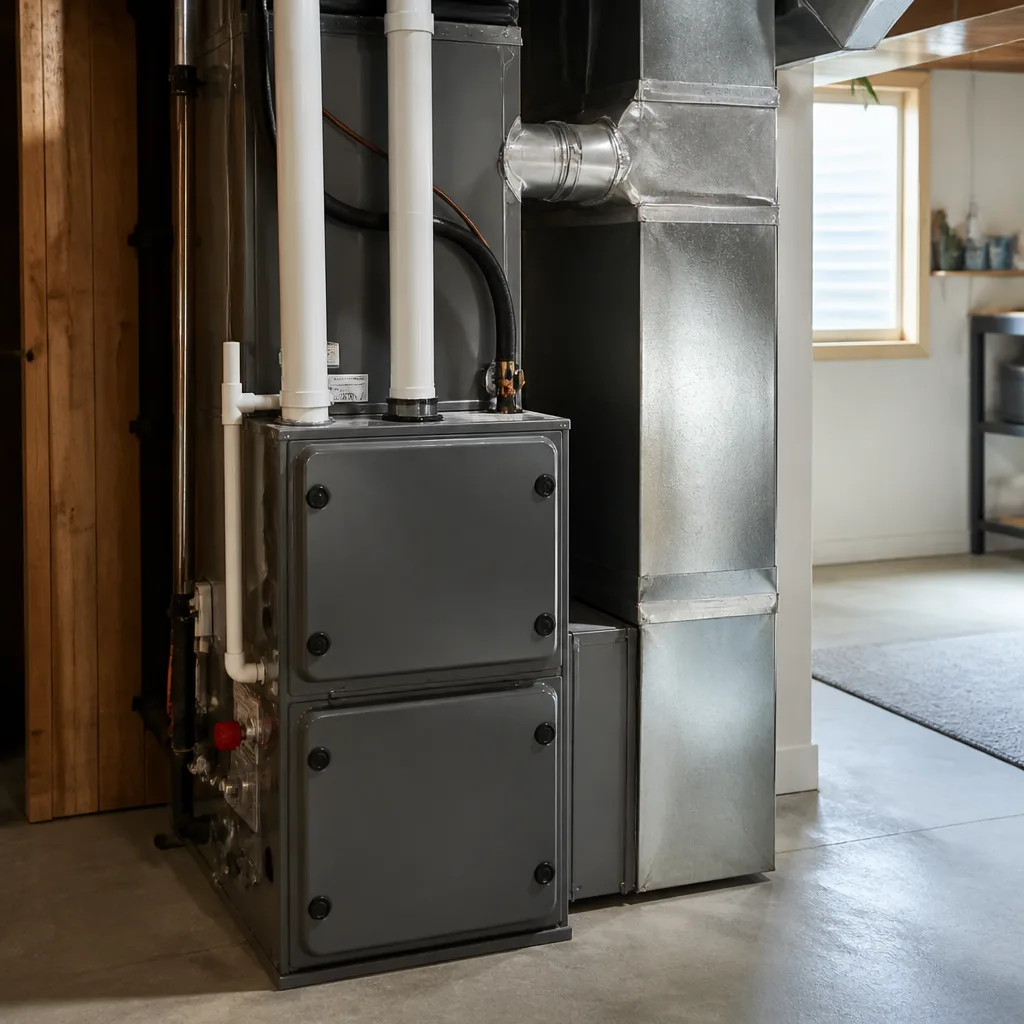 Furnace & heating
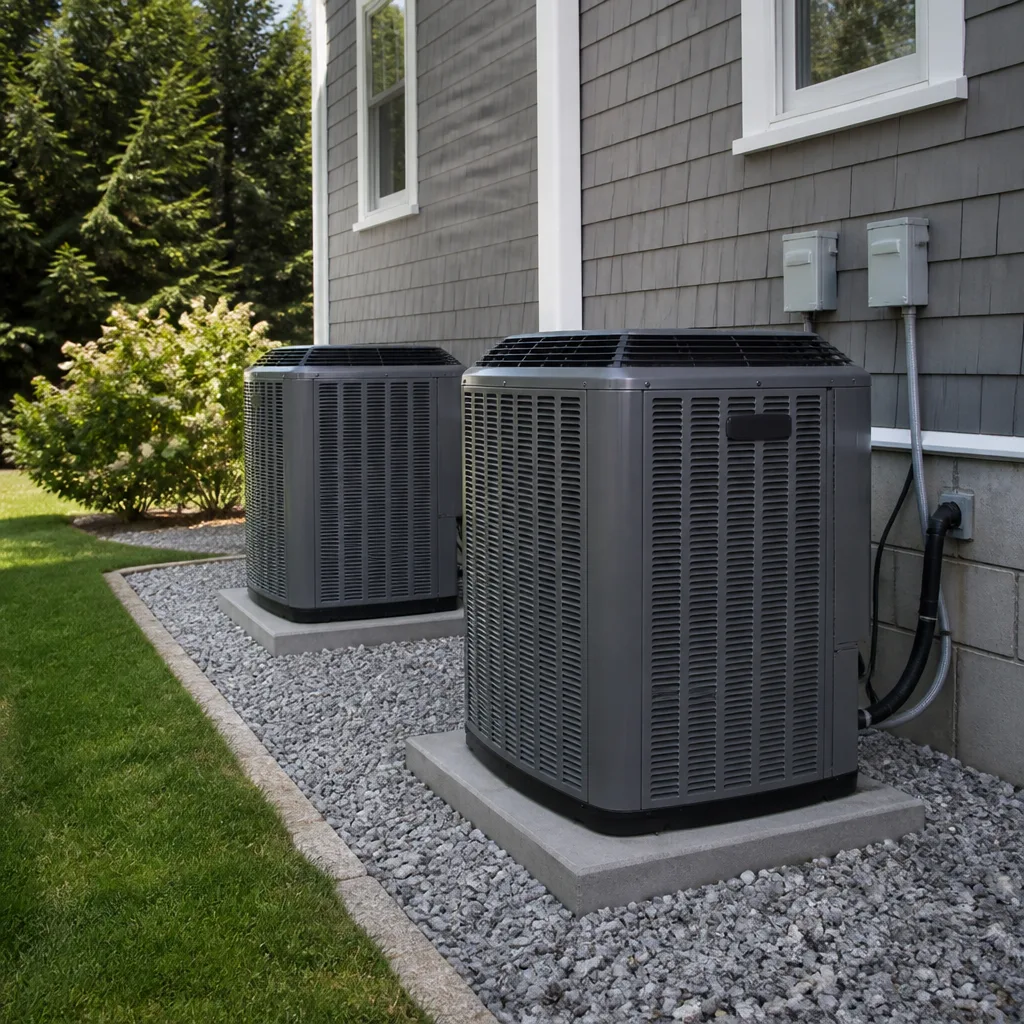 Heat pumps
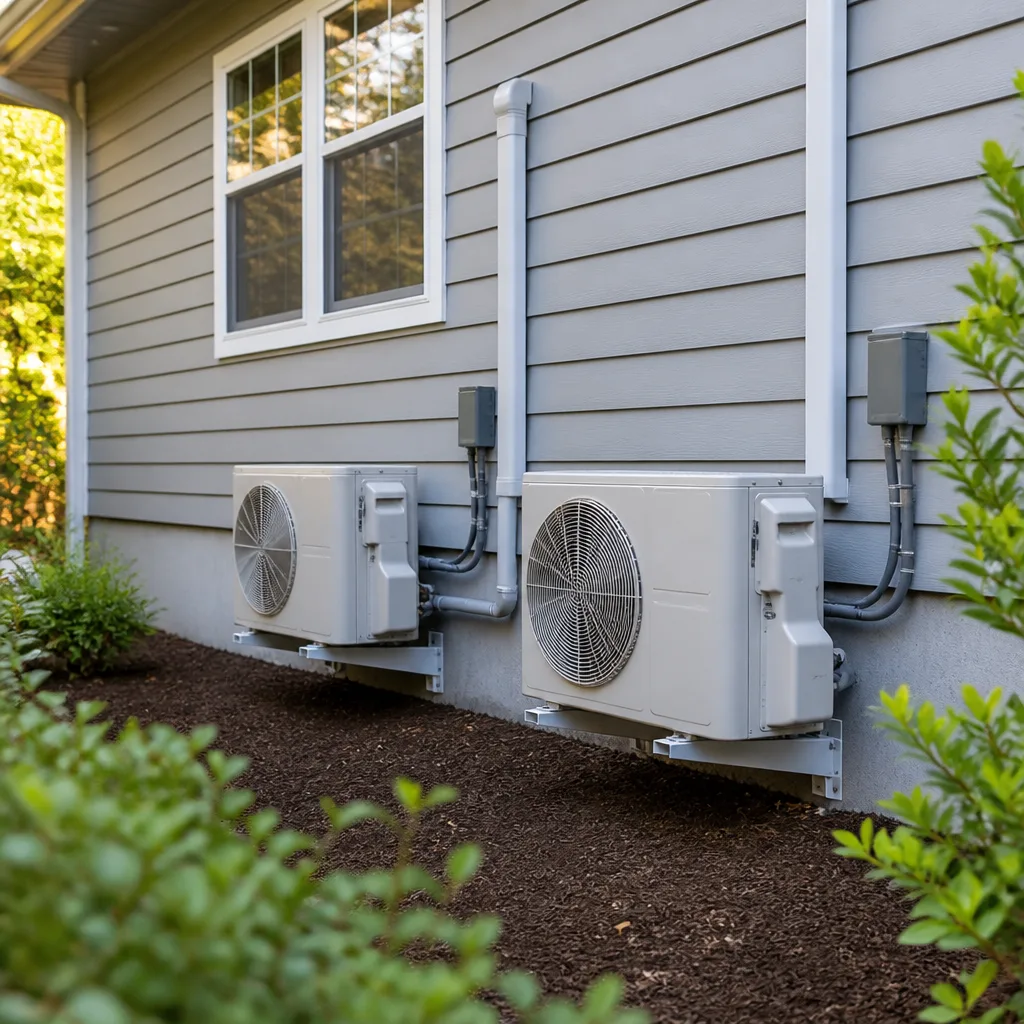 Ductless mini splits
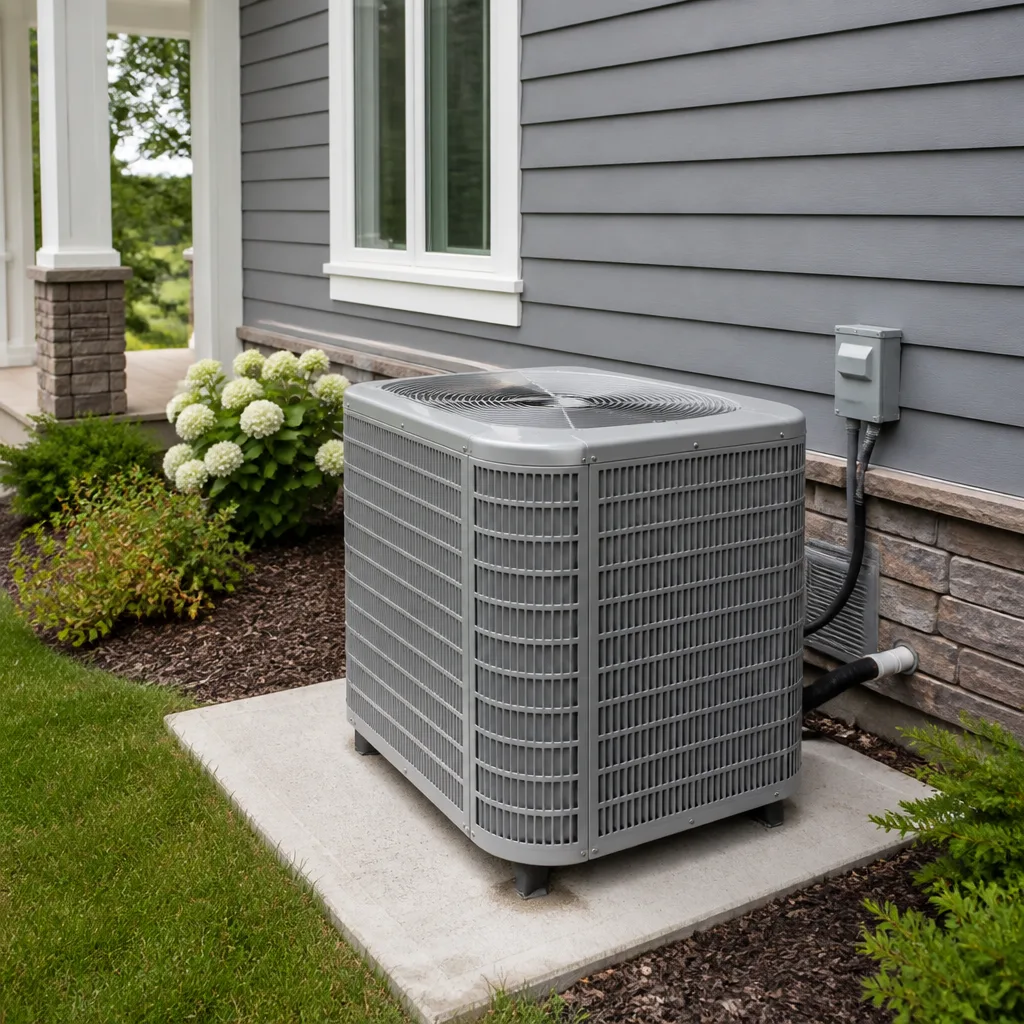 Carrier
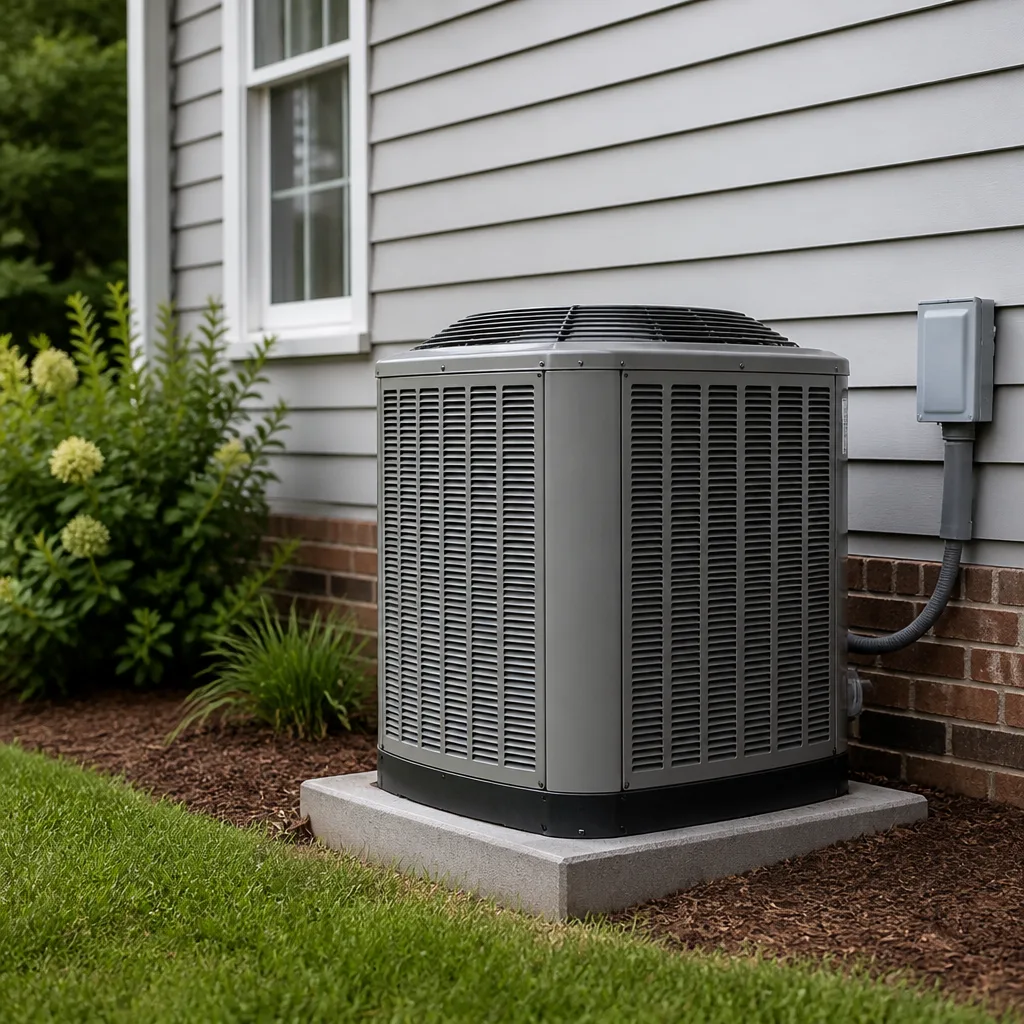 Trane
Trane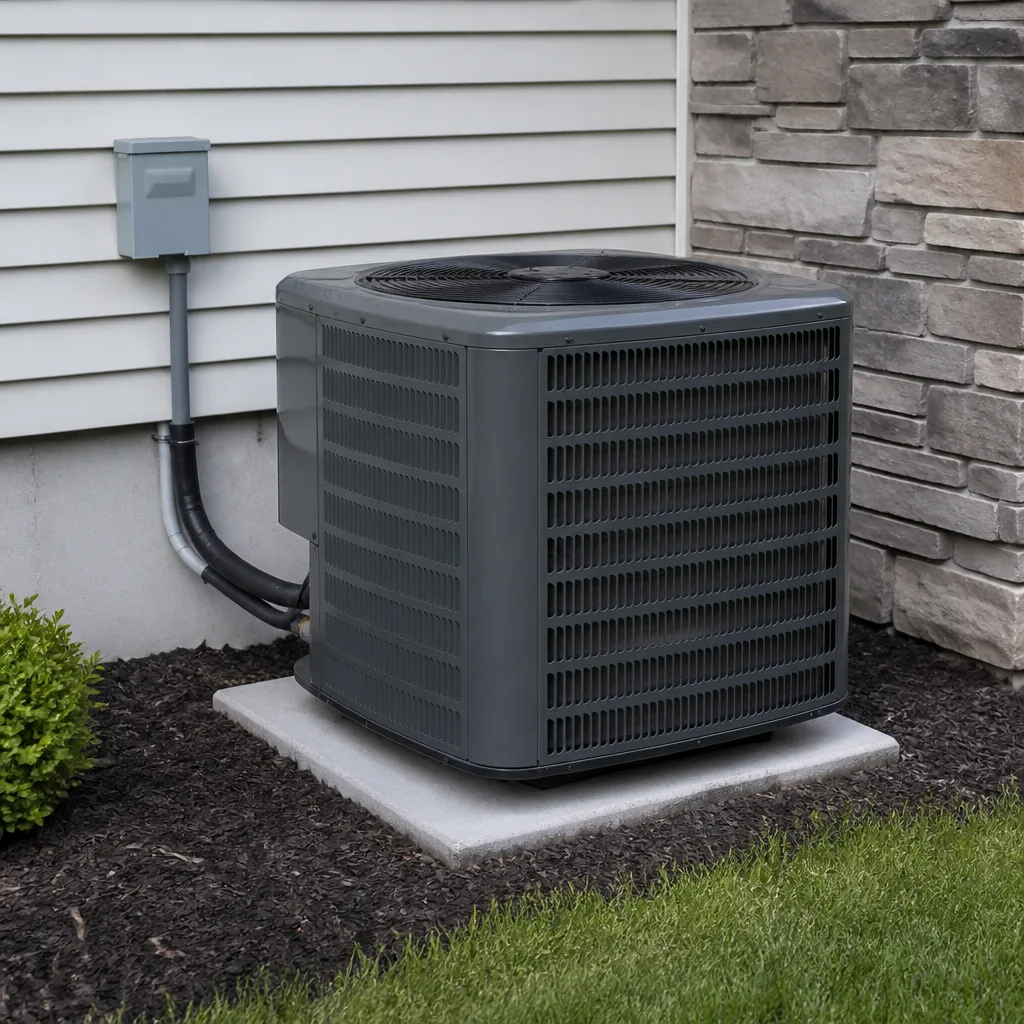 Goodman
Seasonal tune-up and full diagnostic on your Carrier, Trane, or Goodman system - readings shown to you before any repair is proposed
Diagnosis first, numbers second - you approve the repair price before a single part goes in.
Get your free estimateAmerican Standard Ductwork Repair: The San Diego Owner’s Guide
American Standard ductwork repair in San Diego typically runs $175 – $765 depending on what’s failed, how much duct needs replacement, and whether the problem is isolated to one room or spread across the home. We stock American Standard-compatible duct components on our trucks and can complete most repairs same-day. The way most San Diego homeowners discover a duct problem is through a room that won’t hold temperature, a sudden spike in the electric bill, or dust accumulating faster than it should.
Ductwork is the circulatory system of your American Standard HVAC equipment. The air handler can be running perfectly, but if the ducts connected to it are leaking, collapsed, or poorly sealed, you’ll feel it in every room. In San Diego’s coastal climate, duct problems also show up as condensation dripping from ceiling registers during humid summer months, or a musty smell when the system first kicks on. Victor Mancini and our crew have opened up enough San Diego attics and crawl spaces to know that most duct failures give warning signs before they become full failures – the trick is catching them early.
Which American Standard Models This Applies To
Ductwork isn’t model-specific the way a control board or blower motor is. Whether you have an American Standard Silver Series, Gold Series, or Platinum Series system, the ducts themselves are sized to the airflow your unit produces, not to a proprietary part number. What matters is duct diameter, material type (flexible vs. rigid sheet metal), insulation R-value, and the connector style at the plenum and register boots. American Standard residential systems commonly pair with duct runs between 6 and 16 inches in diameter, with 8- and 10-inch runs being the workhorses for bedrooms and living areas.
Here’s the compatibility gotcha most homeowners miss: the airflow rating of your American Standard unit dictates minimum duct sizing, and undersized ductwork is a silent killer. A 3-ton American Standard air handler needs roughly 1,200 CFM of airflow. If your existing ducts were sized for an older, smaller system and you upgraded the American Standard equipment without resizing the ducts, you get high static pressure, noisy registers, and premature blower motor failure. We check this on every duct repair call. For replacement components, we use either OEM American Standard parts or quality aftermarket equivalents that meet the same spec: R-6 or R-8 insulated flex duct is our standard for unconditioned attic spaces in San Diego, because R-4.2 simply doesn’t hold up to a Clairemont Mesa summer attic that hits 140 degrees.
Styles & brands we work with
Signs Your American Standard Ductwork Is Failing
- One room never reaches temperature. This usually means a disconnected or collapsed duct run. The conditioned air is dumping into the attic or crawl space instead of the room. We find disconnected ducts most often at the takeoff collar where the flex duct meets the main trunk line.
- Dust appears on surfaces within days of cleaning. A return-side duct leak pulls unfiltered attic air into your system. San Diego attics are dusty places, and a 1-inch gap in a return duct will draw that dust through the entire house while also making your American Standard system work harder.
- Condensation dripping from a register or water staining around it. This points to a duct with failed insulation, typically where the outer vapor barrier has torn. Humid air hits the cold duct surface, condenses, and drips out the nearest opening. We see this most often in beach-adjacent neighborhoods like Ocean Beach and Pacific Beach.
- Whistling or rumbling from the vents. Whistling means air is squeezing past a restriction, commonly a crushed flex duct or a damper that’s stuck half-closed. Rumbling can mean loose duct sections rattling against framing. Both get worse as the system runs longer cycles in July and August.
- Electric bill climbing while comfort drops. Duct leaks in a typical San Diego home can account for 20-30% of conditioned air loss. Your American Standard unit runs longer to compensate, and you pay for air that never reaches the room.
See the difference
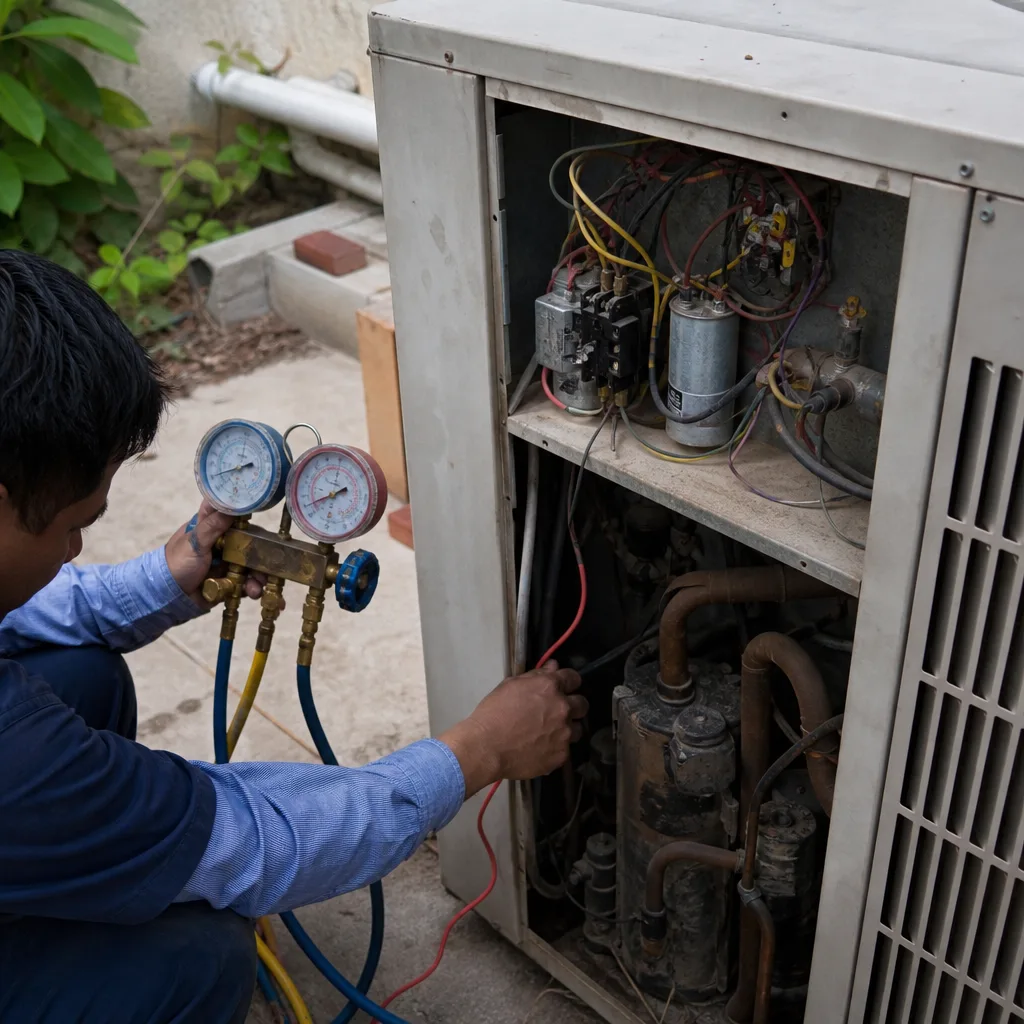 Before
 After
After Before
 After
After Before
 After
AfterReplacement Cost & What’s Included
Most American Standard ductwork repairs in San Diego land between $175 and $765 installed. Here’s the breakdown of what drives that range:
- Minor repair (sealing a small leak, reconnecting a single run): $175 – $300. One visit, one or two components, under an hour of work.
- Mid-range (replacing a section of flex duct, repairing a crushed run, resealing a plenum): $300 – $500. Parts, labor, and the time to properly test airflow after the fix.
- Larger job (multiple runs, return duct replacement, resizing for airflow correction): $500 – $765. This is a half-day job at minimum and often involves attic access work.
You get a written price before we touch a single tool. That price includes parts, labor, and cleanup. Every repair carries our 365-Day Done Right Promise: if the repair fails within a full year, we come back and correct it at no charge, and the guarantee is on paper before we leave. Full duct replacement jobs are rare but do happen; if we find that’s what you need, we’ll walk you through the quote line by line before any work is scheduled.
DIY or Call Us?
You can safely check a few things: feel for air blowing from registers, look for visible gaps in duct runs in an accessible attic or garage, and inspect for crushed sections you can see without climbing into tight spaces. But here’s where DIY goes wrong: ductwork in San Diego homes often runs through attics with exposed nails, low clearance, and 140-degree summer heat. The temptation is to grab foil tape and patch what you can reach, but most tape fails within a season, and you’re back where you started. More important, attic work on duct systems involves sharp sheet metal edges, fiberglass insulation that irritates skin and lungs, and the risk of stepping through a ceiling joist. If the duct problem needs anything beyond a visual check, call us at (619) 793-3598. Tell me what it’s doing, and I’ll tell you what it needs. No guesswork, no upsell.
FAQs
Flexible ductwork in San Diego’s climate typically lasts 15 – 20 years before the inner liner degrades or the insulation loses effectiveness. Rigid sheet metal ducts can last 30+ years if they’re properly sealed and not exposed to moisture. Coastal humidity shortens flex duct life, and attic heat accelerates insulation breakdown. If your home was built in the 1990s or earlier and the ducts haven’t been touched, you’re likely due for at least a partial repair or replacement. Call (619) 793-3598 and we’ll do a duct inspection with the repair estimate.
Yes, in most cases. Disconnected runs, small tears, failed sealing at collars and boots, and single crushed sections are all repairable in one visit. We recommend replacement only when the duct material is deteriorating across multiple runs, the insulation is compromised to the point where sealing won’t fix it, or the existing duct sizing is wrong for your American Standard system’s airflow requirements.
Most repairs take 1 – 3 hours on site. Simple reconnections and sealing run under an hour. Replacing a flex duct run takes about 90 minutes including attic access setup and cleanup. A multi-run replacement with airflow testing can be a half-day job. We’ll give you a firm time window when you book, and the technician arrives in that window.
We carry standard duct sizes, collars, boots, sealant, and insulation on every truck, so the most common repairs are done same-day without a parts run. If your home needs a specialty component, we source it fast and return to finish the job as soon as it arrives. We also service Carrier, Trane, and Lennox systems, so our trucks are stocked for whatever brand is already in your home.
Written by Victor Mancini, Owner & Lead HVAC Technician, Cold Harbour Heating and Air San Diego at Cold Harbour Heating and Air San Diego, serving San Diego and nearby areas. Victor grew up in the San Fernando Valley, trained at Los Angeles Trade-Technical College’s HVAC/R program, and has spent the better part of two decades turning classroom time into real-job experience across San Diego, from Clairemont Mesa to Mission Valley.