
 AC repair
 Furnace & heating
 Heat pumps
 Ductless mini splits
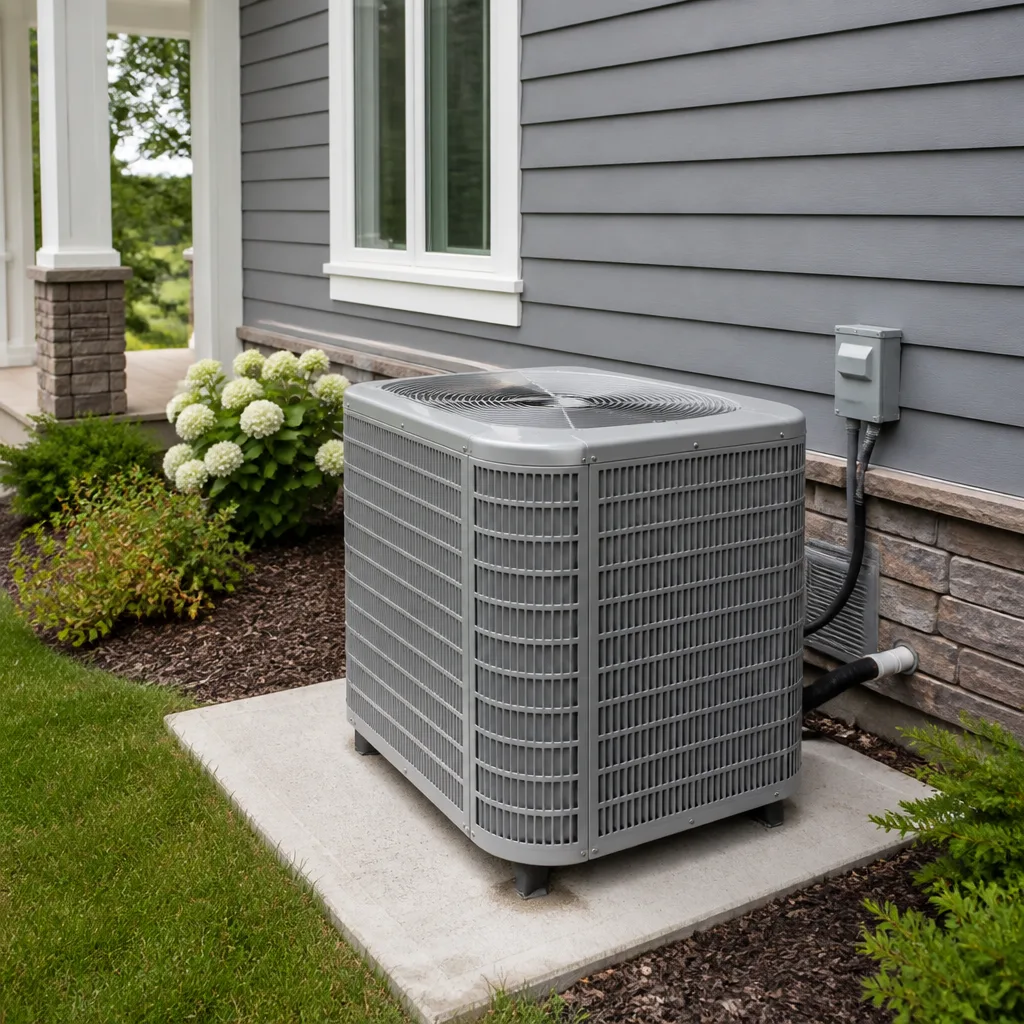 Carrier
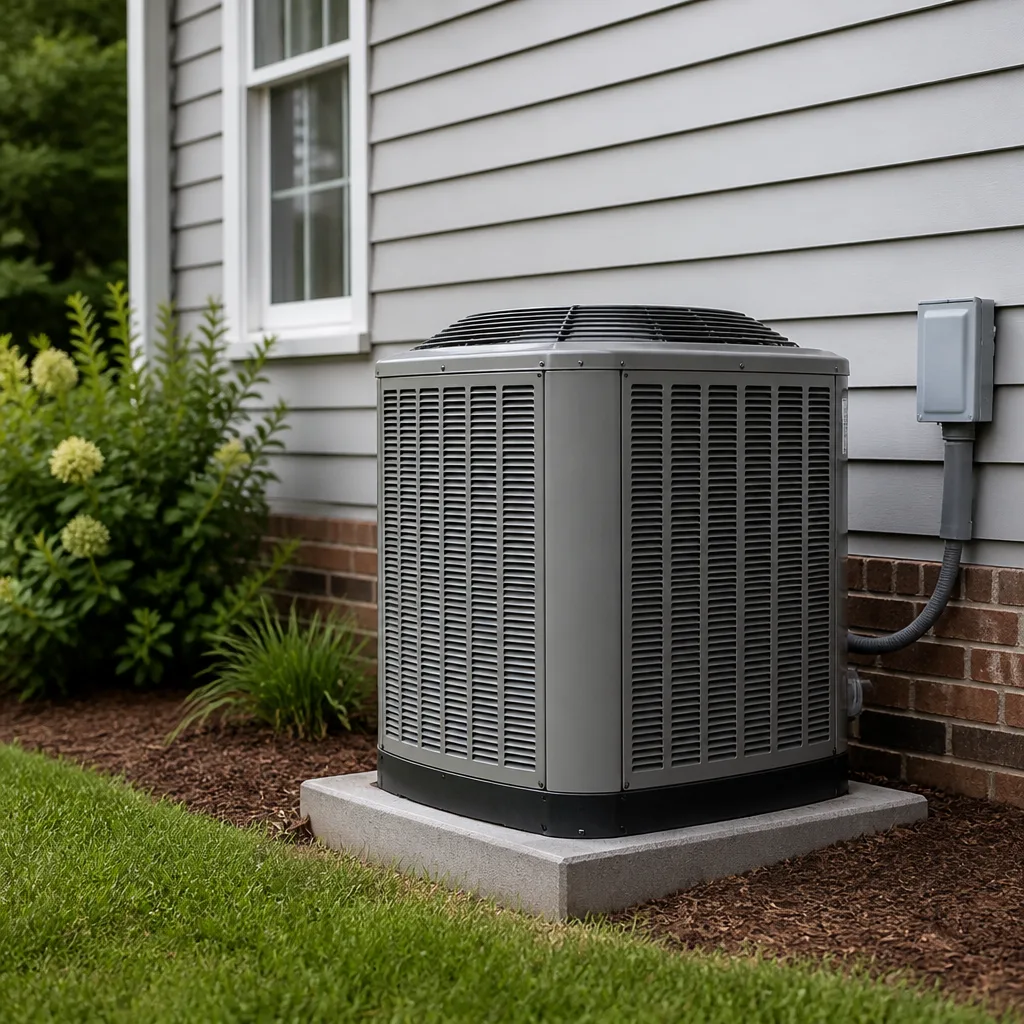 Trane
Trane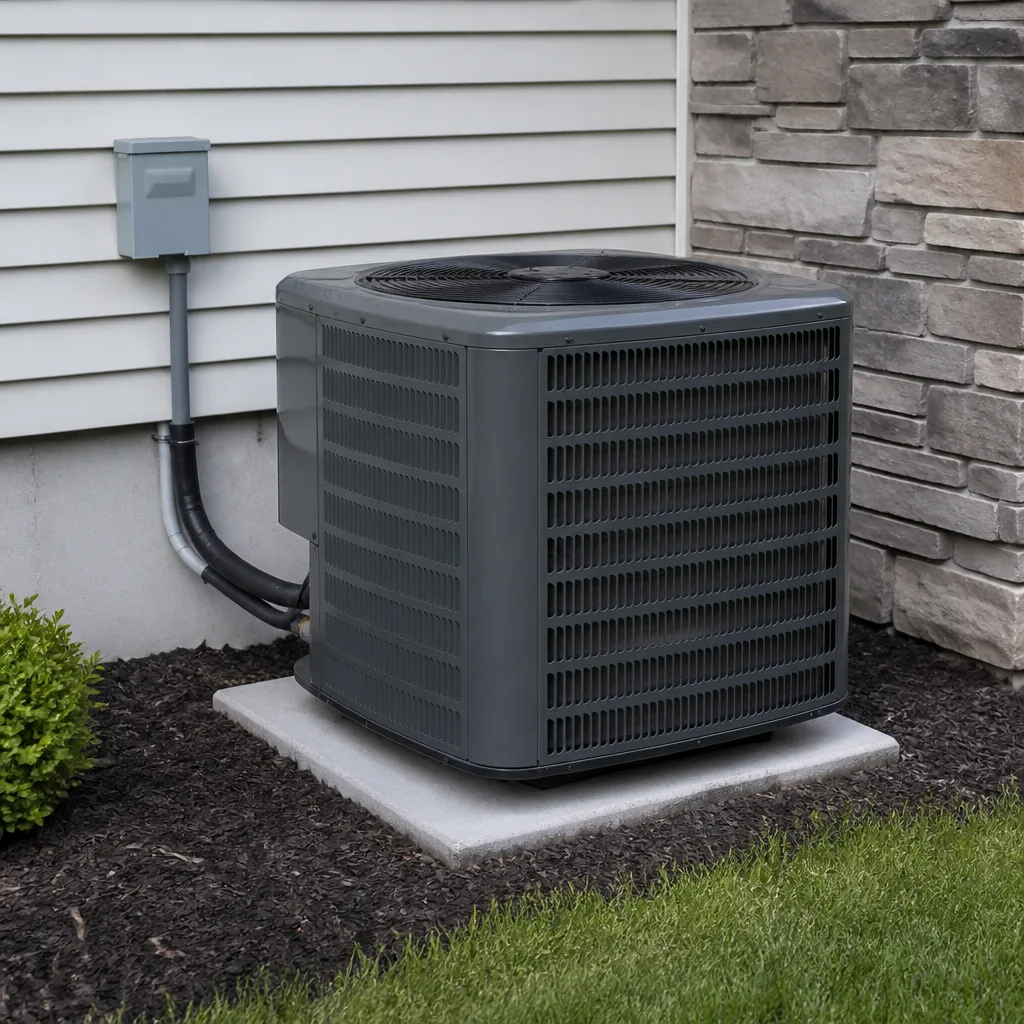 Goodman
Seasonal tune-up and full diagnostic on your Carrier, Trane, or Goodman system - readings shown to you before any repair is proposed
Diagnosis first, numbers second - you approve the repair price before a single part goes in.
Get your free estimateTrane Ductwork Repair: The San Diego Owner’s Guide
If your Trane system is moving air through ductwork that’s leaking, crushed, disconnected, or rusting out, a repair typically runs $175 – $765 in San Diego depending on how much duct has failed and where it’s buried. We stock common Trane-compatible duct fittings, collars, flex sections, and mastic on our trucks so most repairs happen same-day. What usually brings homeowners to this page is a specific frustration: a bedroom that never cools, a whistling sound behind the drywall, or a dust layer that comes back two days after cleaning. That’s not a coil problem. That’s your ducts.
Which Trane Models This Applies To
Ductwork isn’t model-specific the way a control board or blower motor is. What matters is the connection type and sizing your Trane air handler or furnace was installed with. Trane systems across the XR, XL, XV, and Hyperion lines in San Diego are typically paired with either rigid sheet-metal trunks, flex duct branch runs, or a fiberboard plenum, and each fails differently. Look for a label on the air handler that lists the model number (think TAM9, TEM6, S9V2, or similar) and check the duct connections at the cabinet. The numbers that matter for repair are the duct diameter (usually 6″, 8″, or 10″ on branch runs), the R-value of the flex you’re replacing (R-6 is code minimum for most of San Diego County, but R-8 is what we recommend for attics), and whether your system uses a bypass duct or zoning dampers. On the OEM-versus-aftermarket question for Trane specifically: Trane doesn’t manufacture flex duct or sheet metal. The ductwork on your system was always a third-party product selected by the installer, so “Trane ductwork” really means “ductwork connected to your Trane equipment.” That means a quality aftermarket replacement is functionally identical to what you already have, and we only use R-6 or better flex and code-gauge sheet metal, never the thin, tear-prone material that shows up in some quick-flip installs.
Styles & brands we work with
Signs Your Trane Ductwork Repair Is Failing
- A room that stays 6 – 10 degrees off from the rest of the house. A disconnected or crushed flex run is starving that room of airflow. The duct may have pulled free from the register boot, or a storage box in the attic may be sitting on it. In Clairemont Mesa and Mission Valley homes we regularly find flex runs that were undersized from day one.
- Whistling or rushing noise behind a wall or ceiling. Air escaping through a small gap at a collar or seam produces a high-frequency sound. It gets worse as the filter gets dirty because static pressure rises. The gap is usually at a takeoff fitting where a zip tie or foil tape has failed.
- Dust accumulating on surfaces faster than it should. Return-side duct leaks pull attic insulation, rodent debris, and drywall dust directly into your Trane system, then distribute it through every supply register. If you see black streaks around register covers, that’s the tell.
- Mold or musty smell when the fan kicks on. San Diego’s coastal humidity means condensation forms inside uninsulated or torn ducts in crawlspaces and attics. Once the inner liner holds moisture, the smell doesn’t go away until the duct section is replaced.
- Higher SMUD or SDG&E bill without a hotter summer. Leaky supply ducts force your Trane to run longer to hit the thermostat setpoint. A duct system with 20 – 30% leakage (which we see often in San Diego homes built before 2000) is effectively paying to condition the attic.
See the difference
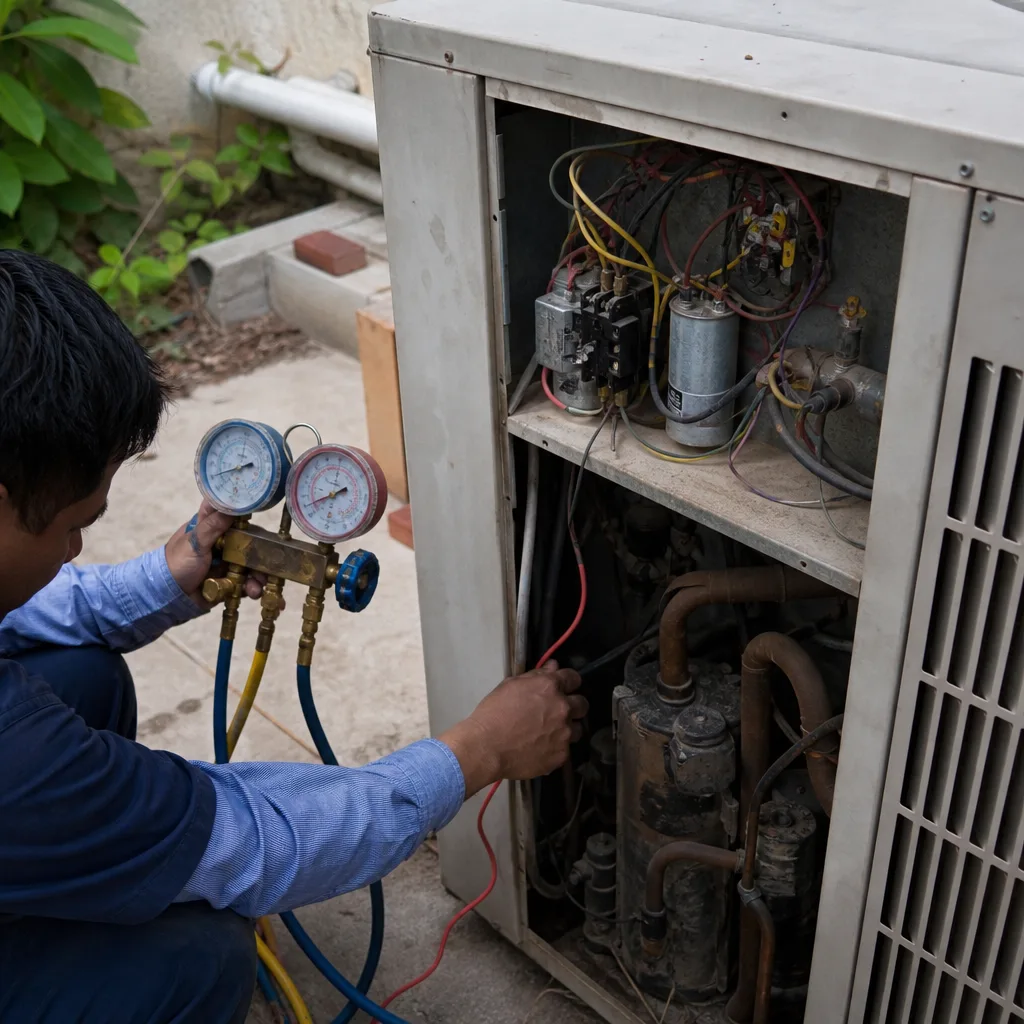 Before
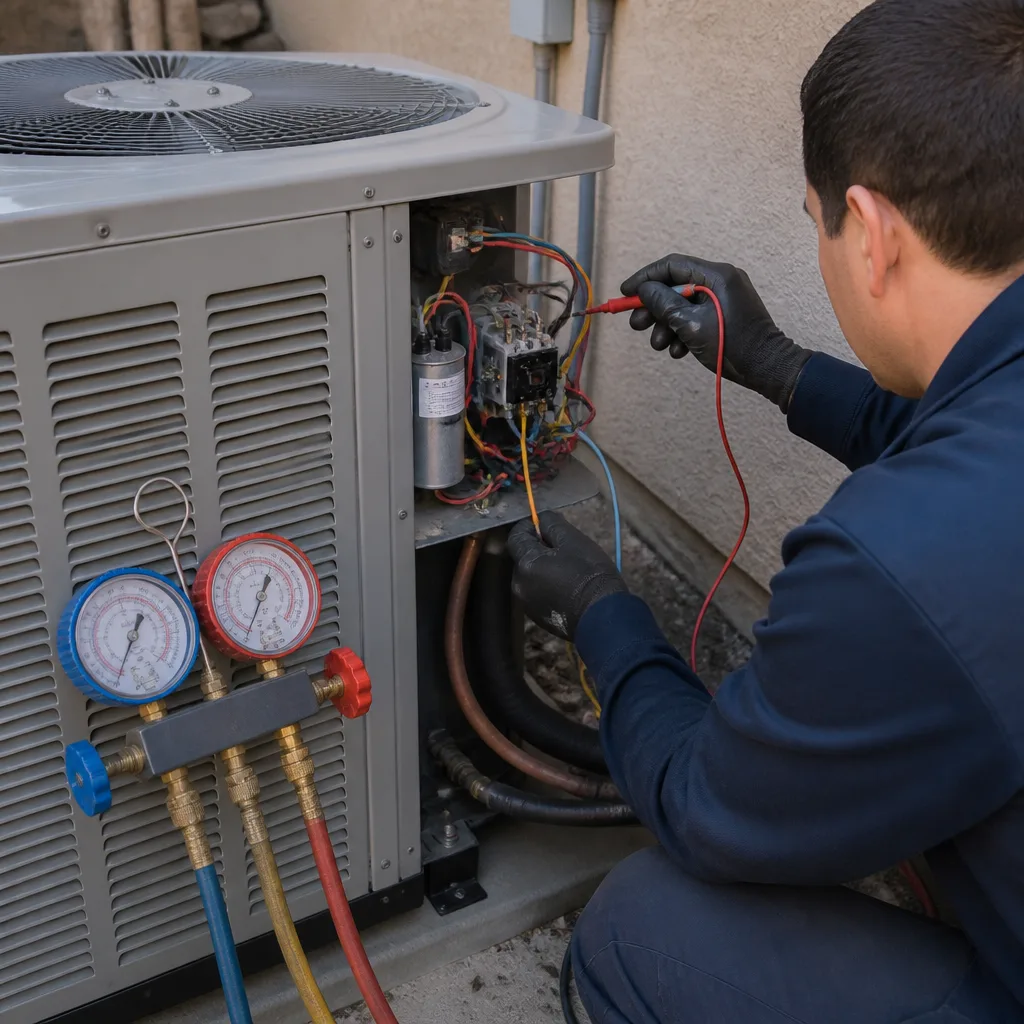 After
After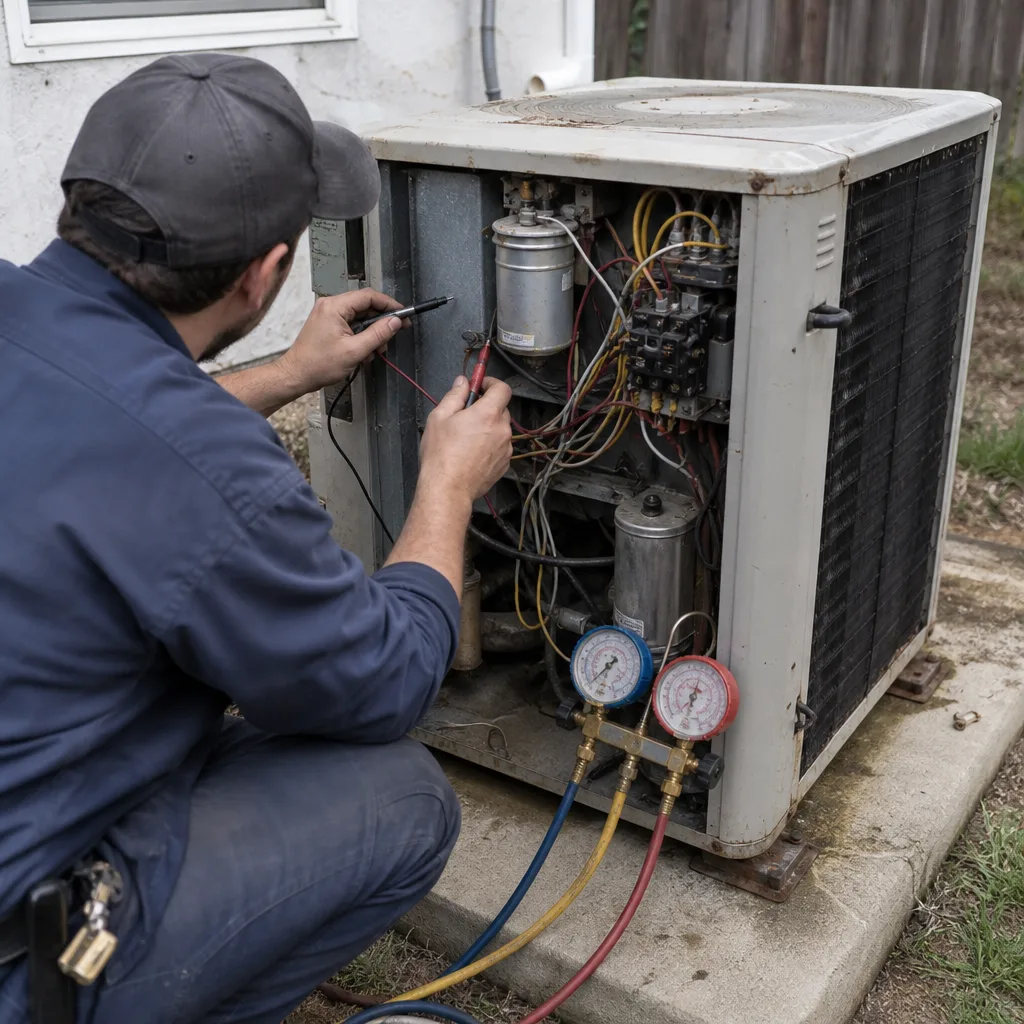 Before
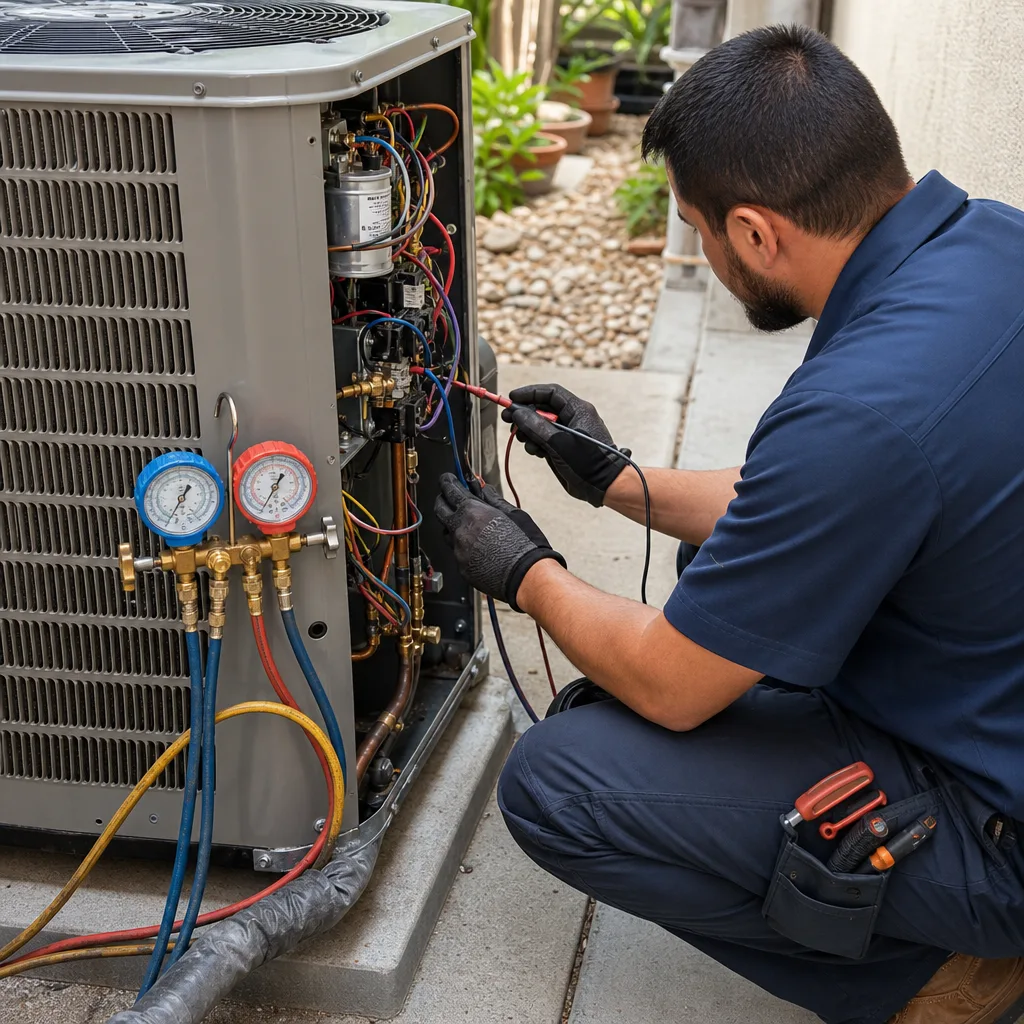 After
After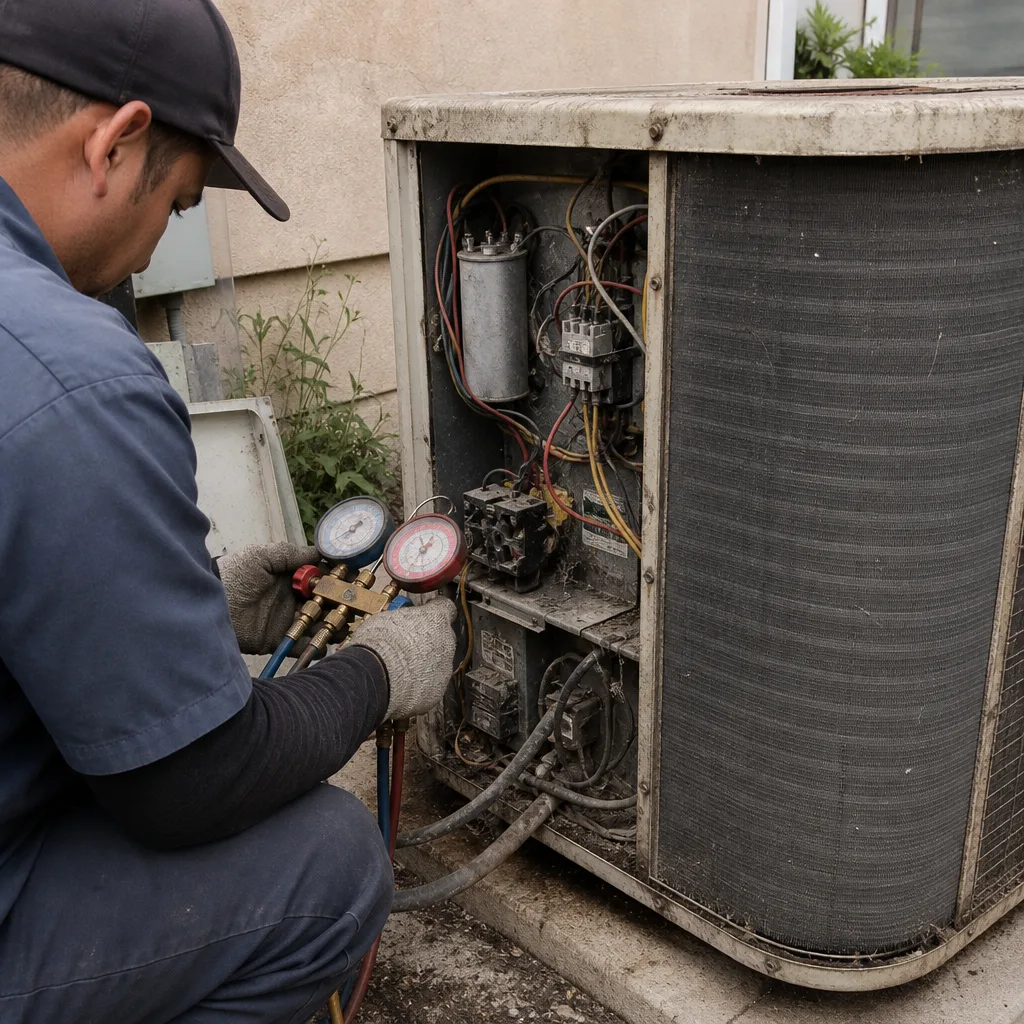 Before
 After
AfterReplacement Cost & What’s Included
We price duct repair by the job, not the hour. Here’s how it breaks down in San Diego:
- Single flex run replacement (6″ – 10″, up to 25 feet): $175 – $385, including new R-6 or R-8 flex, both collars, mastic sealing, and support strapping.
- Register boot or takeoff repair (access permitting): $150 – $300, including resealing the connection to the trunk line with mastic, not tape.
- Multiple runs or partial trunk repair: $400 – $765, depending on attic access, duct size, and how many connections need to be rebuilt.
- Duct leak testing or evaluation (if you want documentation): $95 – $235, credited toward repair work if you proceed the same day.
Every duct repair from Cold Harbour Heating and Air includes the standard Kingswell Guarantee on the work: a written price before we start, a set arrival window, a clean site when we leave, and a 365-day guarantee on the repair. If the connection fails or the flex tears within a year, we come back and correct it at no charge. The price on paper is the price you pay. That doesn’t change at the door, and it covers all materials, labor, and cleanup.
DIY or Call Us?
Ductwork repair is one of the few HVAC jobs where a careful homeowner can make real progress without special tools. If you can see the failed section (exposed flex in an open attic or garage), you can check for obvious disconnects, crushed sections, and visible tears. Sealing a small gap with mastic or tightening a loose zip tie at a collar is reasonable weekend work. The line we draw is anywhere you can’t see the whole repair. Buried flex, drywall-enclosed plenums, attic sections requiring crawl access in July, or anything involving return-side leaks that pull contaminated air need a real diagnosis. The safety concern here isn’t electrical or high-tension like a garage spring. It’s the environment: attics in San Diego climb past 120°F in summer, and a wrong step through a ceiling costs thousands. If you’re not sure what you’re looking at, call (619) 793-3598. Victor Mancini will tell you straight whether it’s a homeowner fix or a two-hour truck job.
FAQs
Flex duct typically lasts 15 – 25 years in San Diego’s climate, with coastal homes closer to 20 and inland areas like El Cajon or Santee on the shorter end due to attic heat cycling. Sheet metal trunks can last 40+ years, but their connections and insulation fail sooner.
Yes, if the damage is isolated to a connection, short tear, or single crushed run, a repair is usually the right call. We replace sections when the inner liner is torn, the insulation is saturated, or the flex is so brittle it crumbles when handled. Call (619) 793-3598 for an honest assessment.
A single flex run replacement in an accessible attic is typically 1 – 2 hours on site. Multiple runs or trunk work can take a half day. We’ll give you a written arrival window and tell you what we found before any work starts.
Yes. Ductwork connects to any brand of air handler, so we stock universal flex, collars, mastic, and boots that work with Trane, Carrier, and Lennox systems alike. For most common sizes we can complete the repair the same day we arrive.
If your Trane system is bleeding air and you’re tired of one hot room or a dust problem that won’t quit, call us at (619) 793-3598. We’ll answer with a live person, give you a written price before work begins, and back the repair for a full year. That’s the Kingswell Way.
Written by Victor Mancini, Owner & Lead HVAC Technician, Cold Harbour Heating and Air San Diego at Cold Harbour Heating and Air San Diego, serving San Diego and nearby areas.