
Last updated October 16, 2026
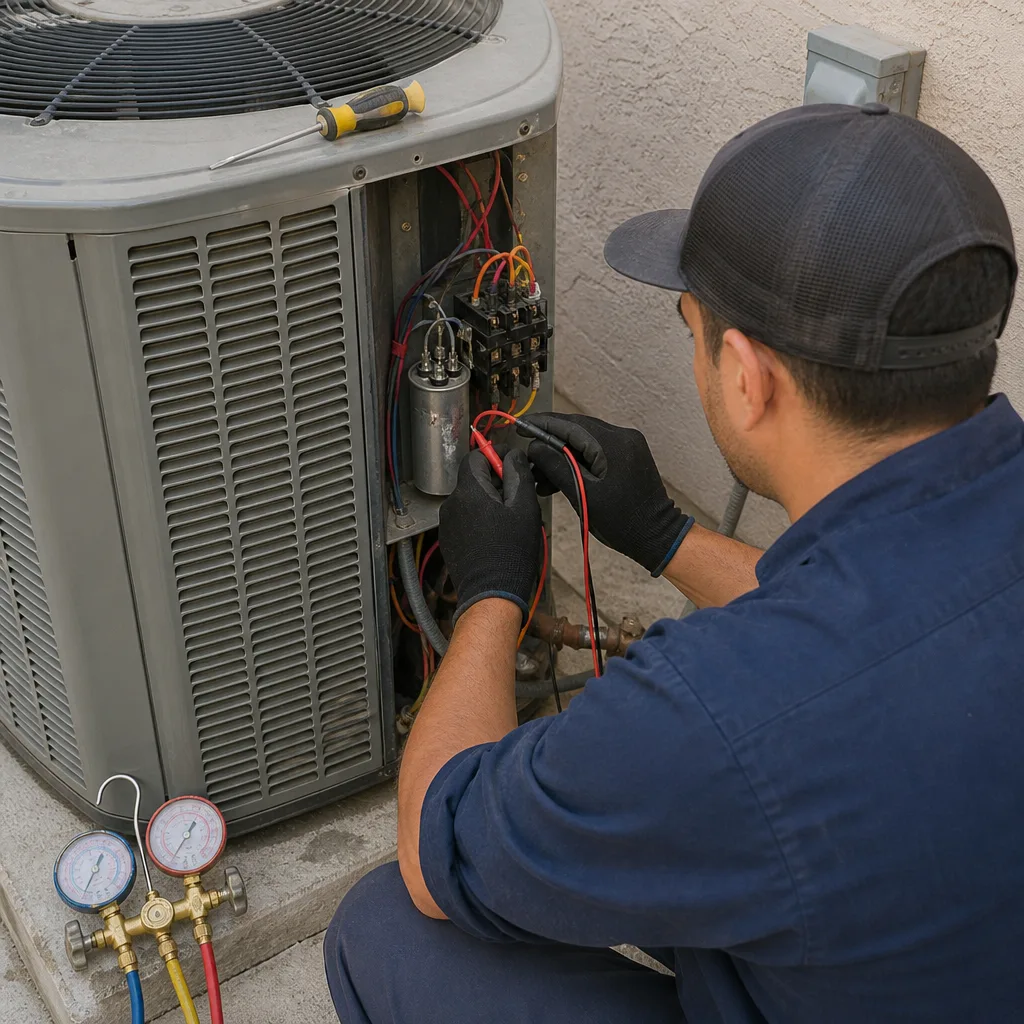
 AC repair
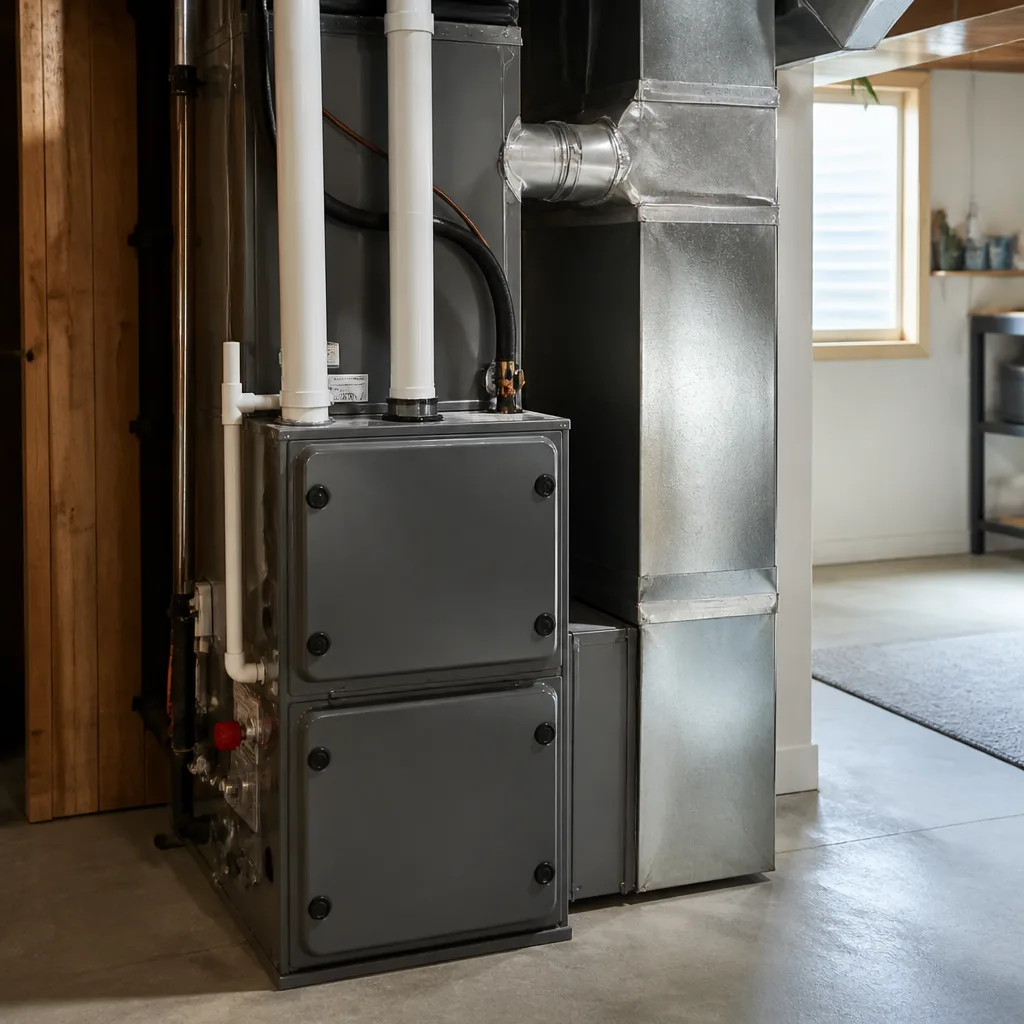 Furnace & heating
 Heat pumps
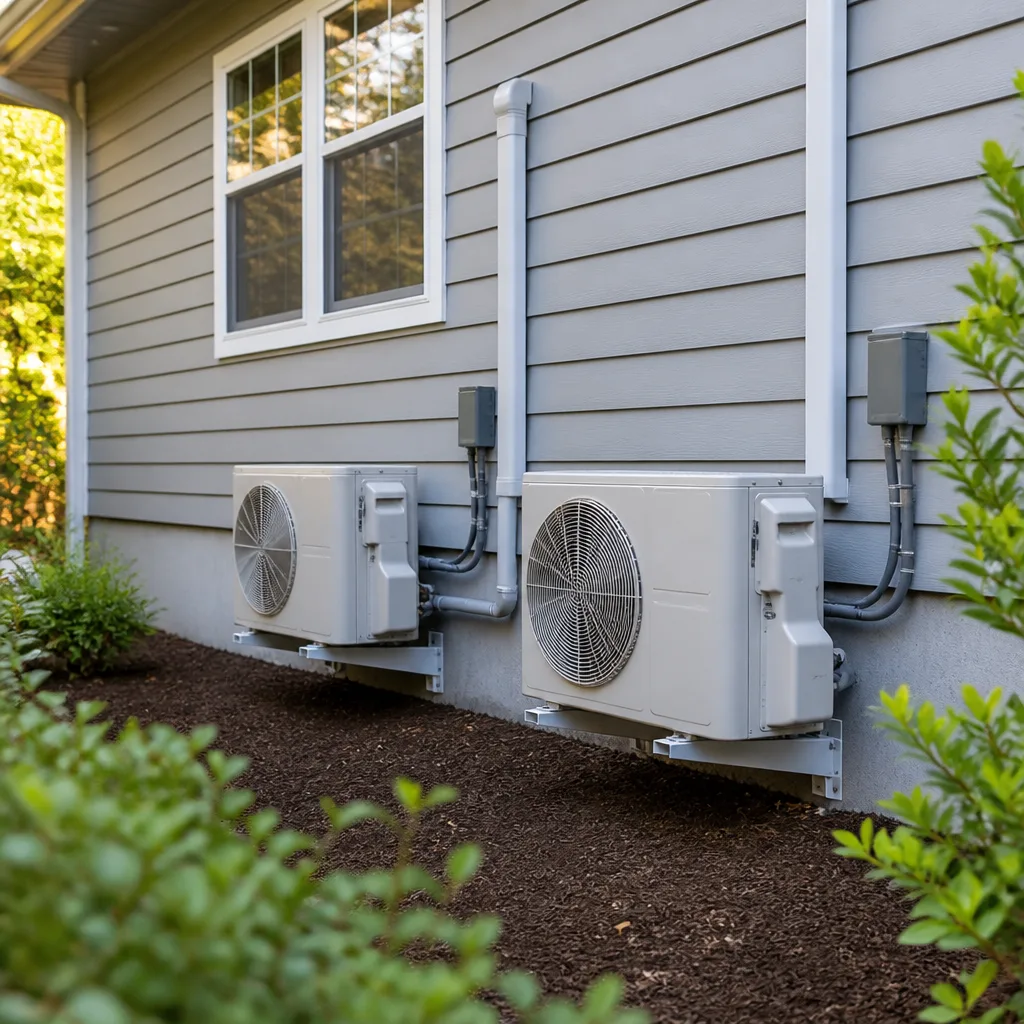 Ductless mini splits
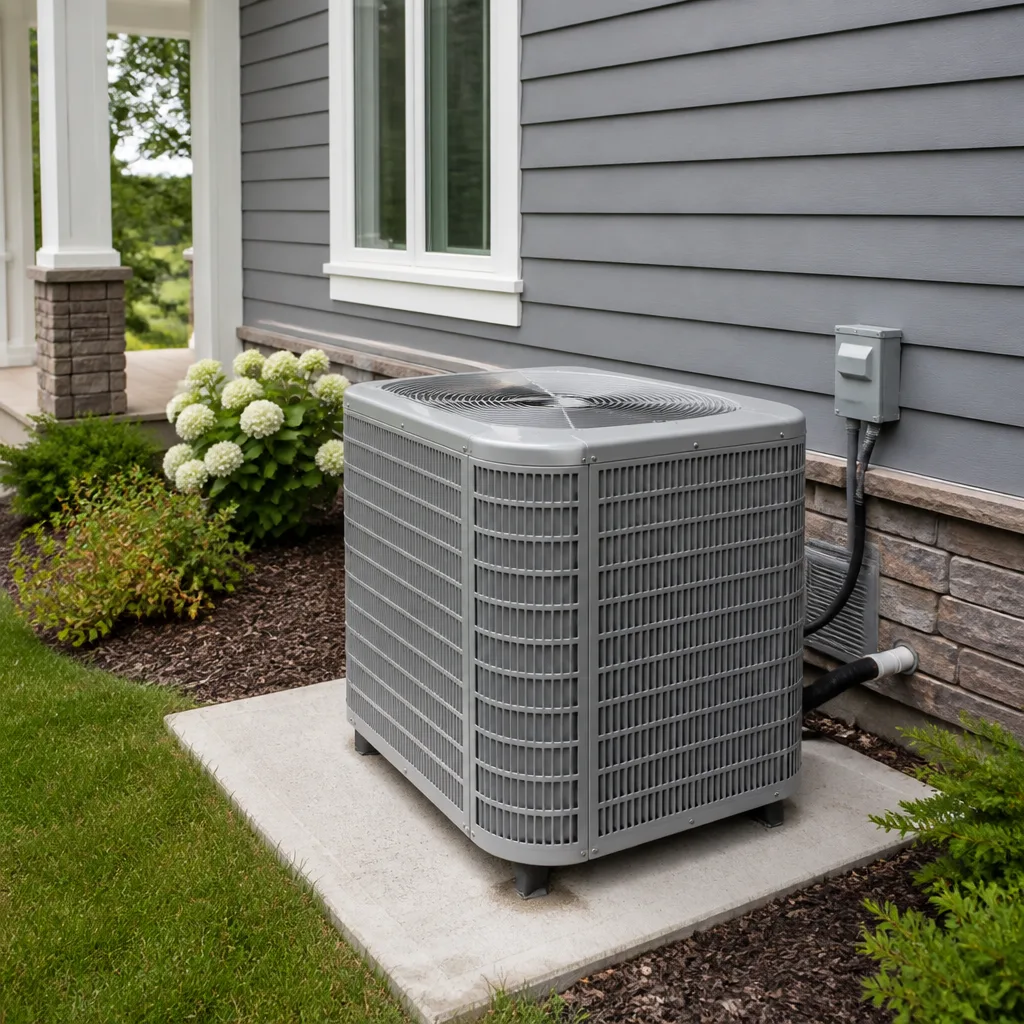 Carrier
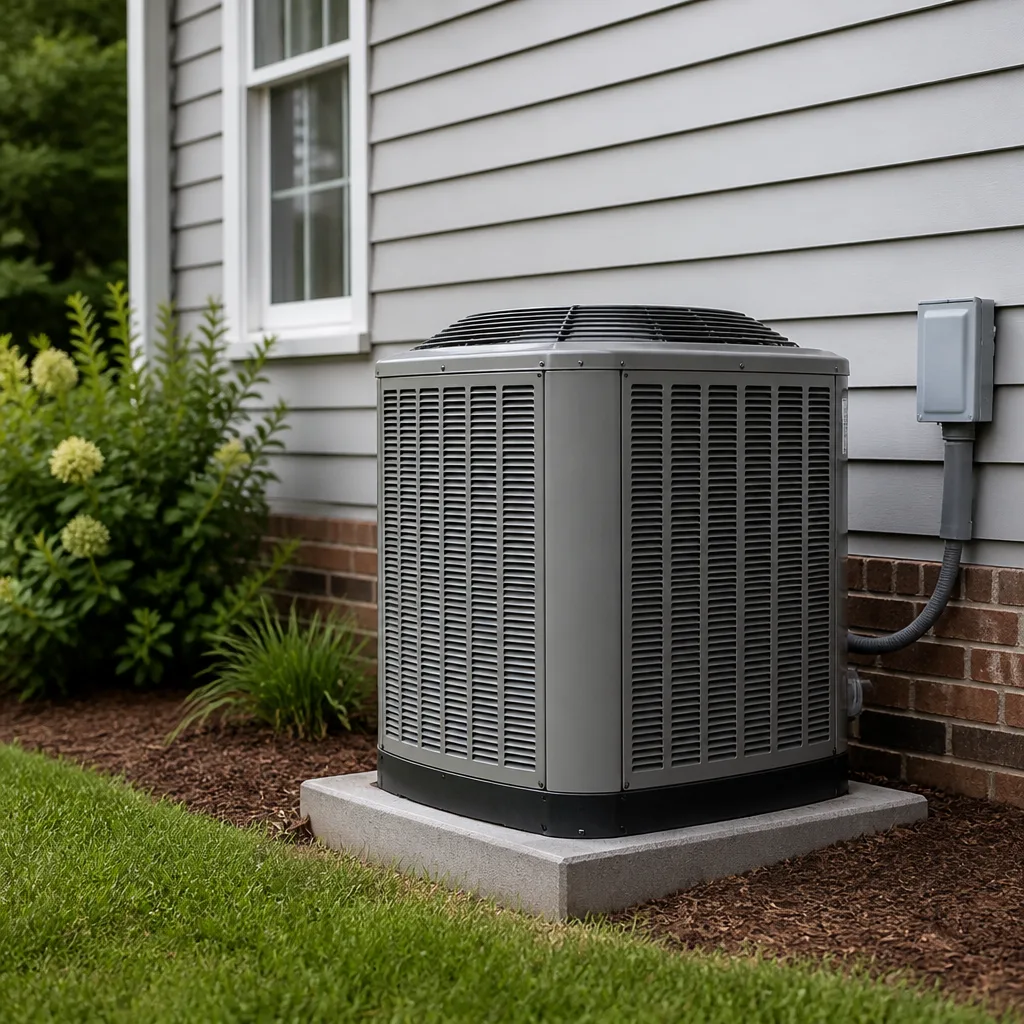 Trane
Trane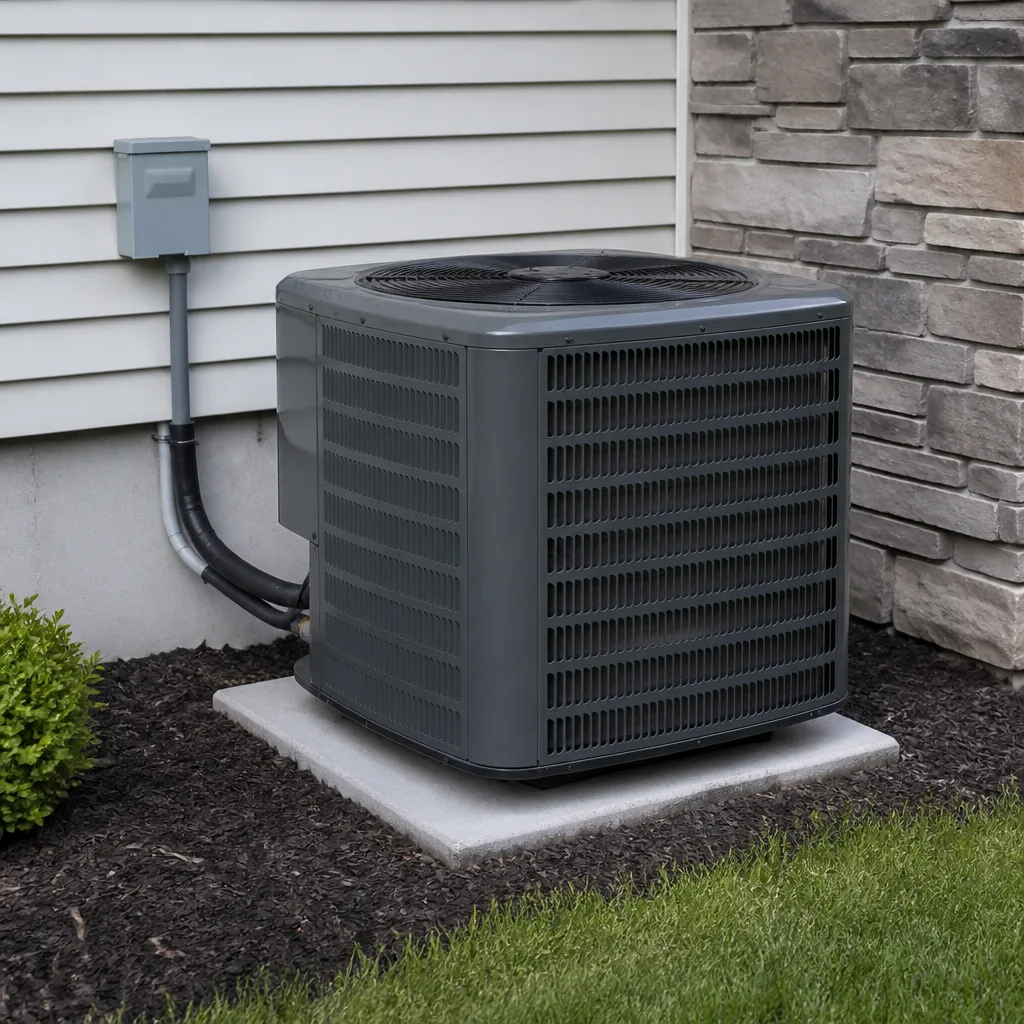 Goodman
Seasonal tune-up and full diagnostic on your Carrier, Trane, or Goodman system - readings shown to you before any repair is proposed
Diagnosis first, numbers second - you approve the repair price before a single part goes in.
Get your free estimateHow to Hire a HVAC Contractor in San Diego: A Step-by-Step Guide
Two HVAC quotes in San Diego for the same job can differ by $2,400 and both be completely honest. One contractor priced a new condenser, a pad, and two hours of labor. The other priced the condenser, a new pad, a permit, city inspection, refrigerant recovery, haul-away of the old unit, a thermostat, and a year of labor warranty. Homeowners who don’t know what to ask end up choosing the lower number and discovering, on install day, that the price just went up. This guide-along with our more guides & resources-teaches you to read a quote the way a contractor reads it, so you can hire with confidence in San Diego.
Styles & brands we work with
Quick Answer
To hire an HVAC contractor in San Diego, verify their California C-20 license with the CSLB, ask for a written line-item quote that includes permit, haul-away, and refrigerant recovery, confirm the price on paper is the final price regardless of what the technician finds on site, and get the warranty in writing before any work begins. Choose a locally established company with a live-answer phone and a written guarantee rather than the lowest bid.
Table of Contents
- Step 1: Verify the California C-20 License Before You Call
- Step 2: Read the Quote Line by Line, Not Just the Big Number
- Step 3: Ask for a Written Arrival Window, Not a Morning Appointment
- Step 4: Ask the Five Questions That Reveal Whether the Price Is Real
- Step 5: Check the Warranty in Writing Before Signing
- Step 6: Understand San Diego’s Transient Contractor Market
- Common Mistakes to Avoid
- When to Call a Professional
- Frequently Asked Questions
- The Bottom Line
Step 1: Verify the California C-20 License Before You Call
In California, HVAC contractors must hold a C-20 license issued by the Contractors State License Board, or CSLB. The C-20 classification covers heating, ventilation, air conditioning, and refrigeration work. If a contractor cannot produce a current C-20 license number, stop there. That is not a small administrative oversight. It means the person or company is not legally allowed to perform HVAC work in San Diego, and any money you hand over is unprotected.
Checking the license takes under two minutes. Go to the CSLB’s license lookup page at cslb.ca.gov, enter the company name or license number, and read the result carefully. A valid license shows as Active. An expired or suspended license shows exactly that, and the lookup tool will tell you why. If the status says anything other than Active, do not sign a contract. The CSLB site also lists any complaints or disciplinary actions against the license, which is information worth reviewing before you allow a technician into your home.
How to Read the CSLB License Details
- Status must say Active. Expired is as bad as absent. Suspended is worse.
- Classification must include C-20. A general B license is not a substitute for HVAC-specific training and certification.
- Business name and address should match. If the name on the company website differs from the registered CSLB name, ask why.
- Workers’ compensation insurance. The CSLB listing states whether the contractor carries workers’ comp. For any company with employees, the answer must be yes. If a worker is injured on your property and the contractor lacks coverage, the claim can land on your homeowner’s insurance.
We check our own license status through the CSLB and keep our paperwork current because we’ve seen what happens when San Diego homeowners skip this step. It is the single most important five minutes you will spend before hiring anyone for HVAC work.
Step 2: Read the Quote Line by Line, Not Just the Big Number
Most hiring guides tell San Diego homeowners to get three quotes and pick the middle one. That advice leaves out the only part that matters: what each quote actually includes. A complete HVAC quote is not a number on a page. It is a list of specific line items that, together, describe the entire job. When a line is missing, the price will be lower, and the missing line will become a change order on install day.
A complete quote for an air conditioner replacement or installation must itemize the following, and you should ask for each in writing before you compare two bids.
- Equipment model number. The quote must specify the exact condenser, air handler, or furnace model. “New 3-ton unit” is not a specification. The model number tells you the efficiency rating, the noise level, and the actual retail value of what you are buying. Without a model number, any price comparison is meaningless.
- Labor, itemized separately. The labor cost should be a line item, not folded into the equipment price. This tells you what you are actually paying for the installation work, and it makes any later questions about warranty coverage much easier to resolve.
- Permit and inspection fee. In the city of San Diego, replacements and installations typically require a mechanical permit. A contractor who says a permit is optional is either unlicensed or willing to put your insurance coverage at risk. The permit fee should be a line item. If neither quote includes it, one of them is not planning to pull one.
- Refrigerant recovery. Before an old air conditioner is disconnected, its refrigerant must be recovered and disposed of according to EPA rules. This is a regulated step. It takes time and carries a disposal cost. Low quotes often omit it, and the homeowner discovers the extra charge after the old unit is already uninstalled.
- Haul-away and disposal. The old equipment has to go somewhere. Scrap value on a condenser is a few dollars; the labor to disconnect, load, and haul it is an hour or more. If the quote does not mention haul-away, assume it is not included.
- Warranty terms, in writing. The warranty should be listed on the quote itself, not described verbally. It must state the length of coverage, what parts and labor are covered, how service calls are scheduled under warranty, and what voids the warranty. A quote without a written warranty section is a quote you should not sign.
When you compare quotes side by side, compare the line items, not the totals. Two quotes can look like they are for the same job and differ by thousands of dollars without either contractor being dishonest. One of them is simply quoting the whole job, and the other is quoting the part that gets a signature.
Step 3: Ask for a Written Arrival Window, Not a Morning Appointment
“We’ll be there in the morning” is not an appointment. It is a hope. In San Diego, where traffic on the 805 and 5 can turn a 20-minute drive into 90 minutes, vague arrival promises are how HVAC companies manage their schedules at your expense. You take a half day off work, and a dispatcher tells you the technician is running late and will call back with a new time. That is a company managing its own inefficiency by spending your time.
A written arrival window is different. It is a specific commitment: “Our technician will arrive between 9:00 AM and 11:00 AM on Tuesday.” When a company puts a window in writing, it means two things. First, the company runs a real dispatch system rather than a list of phone calls made in the morning. Second, the company is willing to be held accountable. If the window breaks, the written promise gives you something to point at.
At Cold Harbour Heating and Air San Diego, every appointment carries a firm arrival window, and we treat that window as part of the job. If we schedule between 8:00 AM and 10:00 AM, the technician is walking up your driveway before 10:00. This is not a bonus feature of hiring us. It is one part of The Kingswell Way, the written standards every independently owned and operated Kingswell HVAC business follows. We say the price before the work, show up in the window given, leave the place cleaner than we found it, put the guarantee in writing, and come back if the repair fails. Those are not marketing lines. They are the operating rules.
Why the Written Window Matters for Homeowners
- You lose income or goodwill when you miss work for a no-show. The cost of the repair is not the only cost of the appointment.
- An HVAC company that cannot manage its own calendar is unlikely to manage your refrigerant charge or your ductwork with greater precision.
- In a city as spread out as San Diego, a “morning” promise often means the technician is triple-booked and will arrive with a rushed schedule and a short temper.
- A written window gives you grounds to cancel and find a better contractor if the company misses it without a phone call.
Ask for the window in writing when you book. If the person on the phone will not commit, the technician will not either.
Step 4: Ask the Five Questions That Reveal Whether the Price Is Real
Before you sign any HVAC agreement in San Diego, ask these five questions. The answers separate contractors who price honestly from contractors who price to get a signature and adjust later. None of these questions is aggressive. All of them are standard practice among reputable San Diego HVAC companies, and any contractor who bristles at them is telling you something about how he does business.
Question 1: “Is the price on this paper the exact price I will pay, regardless of what you find on site?”
An honest answer is yes. The quote should cover the specified work, full stop. If the technician finds something unexpected inside the attic, an honest contractor stops, explains what he found, and gives you a new written price before doing anything beyond the original scope. What you do not want is to sign at $6,800 and learn, mid-install, that the price is now $8,900 because the disconnect box was older than expected. Those discoveries should be discussed before the new work begins, on paper, with your approval.
Question 2: “Will the same person who gave me this quote be the one who shows up?”
Some San Diego HVAC companies send a salesperson to your home, then dispatch an entirely different crew you have never met to perform the work. That gap between the sale and the service is where expectations get lost. You want a company whose technicians are background-checked, uniformed, and salaried, not a rotating cast of subcontractors. Ask who will actually do the installation, and ask whether that person is an employee or a sub.
Question 3: “Does this quote include the permit and city inspection?”
If the answer is no, the quote is not complete. Permits protect you. They create a city record of the work, and the inspection gives you an independent set of eyes on the installation. Honest HVAC contractors in San Diego pull permits as a matter of course; see HVAC Permits, Codes & Inspections in CA: What You Need to Know for details. Contractors who tell you a permit is unnecessary are either doing unpermitted work or hoping you will not know the difference. Neither is acceptable.
Question 4: “What happens if this unit stops working in six months?”
The answer should be immediate and specific. At Cold Harbour Heating and Air San Diego, every repair we perform is covered by our 365-Day Done Right Promise. If a repair fails inside a full year, we come back and correct the work at no additional charge, and the guarantee is written down before the technician leaves. Homeowners who have been burned by a repair that quit after a month should ask this question before paying, not after. If the contractor cannot answer directly, the warranty is probably not real.
Question 5: “Who is responsible for the refrigerant in my old unit?”
Under federal law, refrigerant must be recovered, not vented. Venting refrigerant is illegal and can carry significant fines. A legitimate HVAC contractor includes recovery in the quote and handles disposal through a certified reclaimer. If the contractor looks confused when you ask, or tells you not to worry about it, move on. That confusion is a sign the company does not do things by the book.
Step 5: Check the Warranty in Writing Before Signing
The warranty is the difference between a company that stands behind its work and a company that disappears the moment your check clears. Verbal promises are not warranties. A real warranty is written on the quote or on a separate document, and it names the exact period of coverage, the work covered, and who to call if something fails.
Most equipment manufacturers provide a parts warranty, typically 5 to 10 years on compressors and heat exchangers. That covers the part, not the labor to install it. A labor warranty comes from the contractor, and that is the part homeowners in San Diego often discover they do not have when a compressor fails in August and the repair bill arrives with a four-digit labor charge.
What a Written Warranty Should State
- Length of coverage. A year is a floor, not a ceiling. Longer labor warranties exist, but the minimum acceptable is one year on parts and labor for a repair.
- What is covered. The warranty should name the components: condenser, evaporator coil, blower motor, control board, and so on. If a component is excluded, it should say so.
- How warranty service is scheduled. You need a phone number, not a portal. When your AC is out on a Saturday in July, you need a live person, and you need the warranty to promise a response, not a ticket number.
- What voids the warranty. Skipping annual maintenance can void a labor warranty. Read that clause before you skip a tune-up.
At Cold Harbour Heating and Air San Diego, the warranty is a physical document handed to the homeowner before the technician leaves. Our 365-Day Done Right Promise is exactly what it sounds like: if a repair fails within one year, we return and correct it at no charge. The promise covers the labor and the parts we installed. It is not conditional on a maintenance plan or a social media review. It is a written guarantee, included on every repair, because that is what a homeowner should be able to count on when the air stops moving in San Diego in August.
Step 6: Understand San Diego’s Transient Contractor Market
San Diego has one of the largest transient contractor markets in California. Heat waves that push inland temperatures past 100 degrees in El Cajon, Santee, and Escondido create a predictable rush of emergency calls, and with that rush comes a mobile population of out-of-area contractors who work a neighborhood for three months and then move on. They price low, book fast, and vanish before a warranty claim has time to ripen.
The warning signs are specific. An out-of-state license plate on a truck with a magnetic door decal is one. A phone number with an area code from Phoenix, Las Vegas, or Texas is another. A contractor who cannot provide a physical San Diego County business address is a third. And most telling of all: a company that appears in local search results during a heat wave and disappears from them by October.
Contrast that with a contractor like Cold Harbour Heating and Air San Diego. We were founded in 2003 and have served San Diego continuously since then, as an independently owned and operated member of the Kingswell network. We answer our own phones, with a live person, 24 hours a day, every day of the year. There is no voicemail tree and no after-hours runaround. When you call at 2:00 AM because the furnace died in January, a human being answers. That is not a marketing claim. It is how the Kingswell network operates, and it is how we have operated for more than two decades.
Red Flags of a Transient Contractor
- No physical San Diego County business address on the quote or the website.
- Phone number area code does not match San Diego or the rest of Southern California.
- CSLB license was issued within the last 12 months and is registered to an address in another county.
- Company has no reviews older than the current season.
- Technician arrives in an unmarked personal vehicle rather than a company vehicle with signage.
None of these is definitive by itself, but two or three together should move you toward a different contractor. The logic is simple: a warranty is only as good as the company’s ability to show up when you call. If the company is registered in Riverside and works San Diego only during heat waves, your August warranty and your February furnace repair are both in trouble.
Common Mistakes to Avoid
- Picking the lowest quote without reading the line items. A quote that omits the permit, haul-away, and refrigerant recovery will be lower by design, not by efficiency. The difference shows up as a change order, not as savings.
- Trusting a verbal warranty. If the guarantee is not on paper, it does not exist. A handshake is not a warranty, and in a contract dispute, it is not evidence either.
- Booking without a written arrival window. “Morning” means different things to different dispatchers. A written window means you can plan your day and hold the company accountable if it breaks.
- Skipping the license check. An unlicensed HVAC contractor in San Diego may be cheaper, but any damage they cause is yours, and your homeowner’s insurance may not cover work performed by an unlicensed contractor.
- Hiring an out-of-area company during a heat wave. The technician who appears from Phoenix in August is not likely to return your call in November. Hire a San Diego-based company with a local address and a local reputation.
- Not asking about refrigerant recovery. Venting refrigerant is illegal, full stop. If the contractor does not mention recovery as part of the job, ask. If the answer is evasive, walk away.
- Buying replacement equipment without a model number in the quote. A model number is how you verify what was installed. No model number, no accountability.
When to Call a Professional
Some HVAC situations are clearly DIY-adjacent: changing a filter, cleaning a drain line, swapping a thermostat battery. Others are not. If you smell burning from the furnace, call a professional. If the air conditioner is blowing warm air while the outdoor unit makes a loud buzzing sound, call a professional. If you see frost on the refrigerant lines or ice on the evaporator coil, do not chip at it and do not run the system. Shut it off and call a professional. If the circuit breaker trips twice in a week, the problem is not the breaker; it is the system, and a technician needs to diagnose it before the next component fails. And if your furnace is more than 15 years old and the heat exchanger is cracked, the question is no longer repair versus replace in the abstract; it is a safety issue, and it needs a licensed technician’s assessment immediately.
Cold Harbour Heating and Air San Diego offers free estimates in San Diego. Call (619) 793-3598 and a live person will answer, day or night.
Frequently Asked Questions
Go to cslb.ca.gov, click on the license lookup, and enter the contractor’s name or license number. The status must say Active, and the classification must include C-20 for HVAC work. The CSLB also lists any complaints, suspensions, or disciplinary actions against the license. The entire check takes about two minutes.
A complete quote must itemize the equipment model number, labor, permit and inspection fee, refrigerant recovery, haul-away and disposal, and a written warranty section. If any of those lines is missing, the quote is incomplete, and the missing line will likely become an extra charge later. Ask for each item in writing before comparing quotes.
Quotes vary because contractors are quoting different scopes of work. One quote may include the permit, the city inspection, refrigerant recovery, haul-away, and a full year of labor warranty. Another may quote only the equipment and the basic installation labor, leaving the rest as change orders. Compare quotes line by line, not by the total at the bottom.
Yes. The city of San Diego requires a mechanical permit for most HVAC equipment replacements and installations. The permit creates a city record of the work and includes an independent inspection. Contractors who say a permit is optional are asking you to accept work that may not be insurable.
A written arrival window is a specific time range, such as 9:00 AM to 11:00 AM, that the HVAC company commits to in writing before the appointment. It matters because it turns a vague “morning” promise into an accountable commitment. If the company misses the window without calling, you know the company is not running a real dispatch system.
At minimum, a repair should be warrantied in writing for one year on parts and labor. At Cold Harbour Heating and Air San Diego, every repair carries our 365-Day Done Right Promise: if the repair fails within one year, we return and correct it at no charge. If a contractor will not put the warranty in writing, do not sign the quote.
The Bottom Line
Hiring an HVAC contractor in San Diego comes down to verification and written terms. Verify the C-20 license with the CSLB. Read the quote line by line and demand that the permit, haul-away, and refrigerant recovery are included. Get an arrival window in writing, not a “morning” promise. Ask the five questions that reveal whether the price is real. Then check the warranty in writing and hold out for a full year of labor coverage, minimum. When you find a contractor who passes all of those tests, hire them, and keep their number where you can find it in August or January, because in this city you will need it eventually.
Written by Victor Mancini, Owner at Cold Harbour Heating and Air San Diego, serving San Diego since 2003.
See the difference
 Before
 After
After Before
 After
After Before
 After
After