
Last updated October 16, 2026
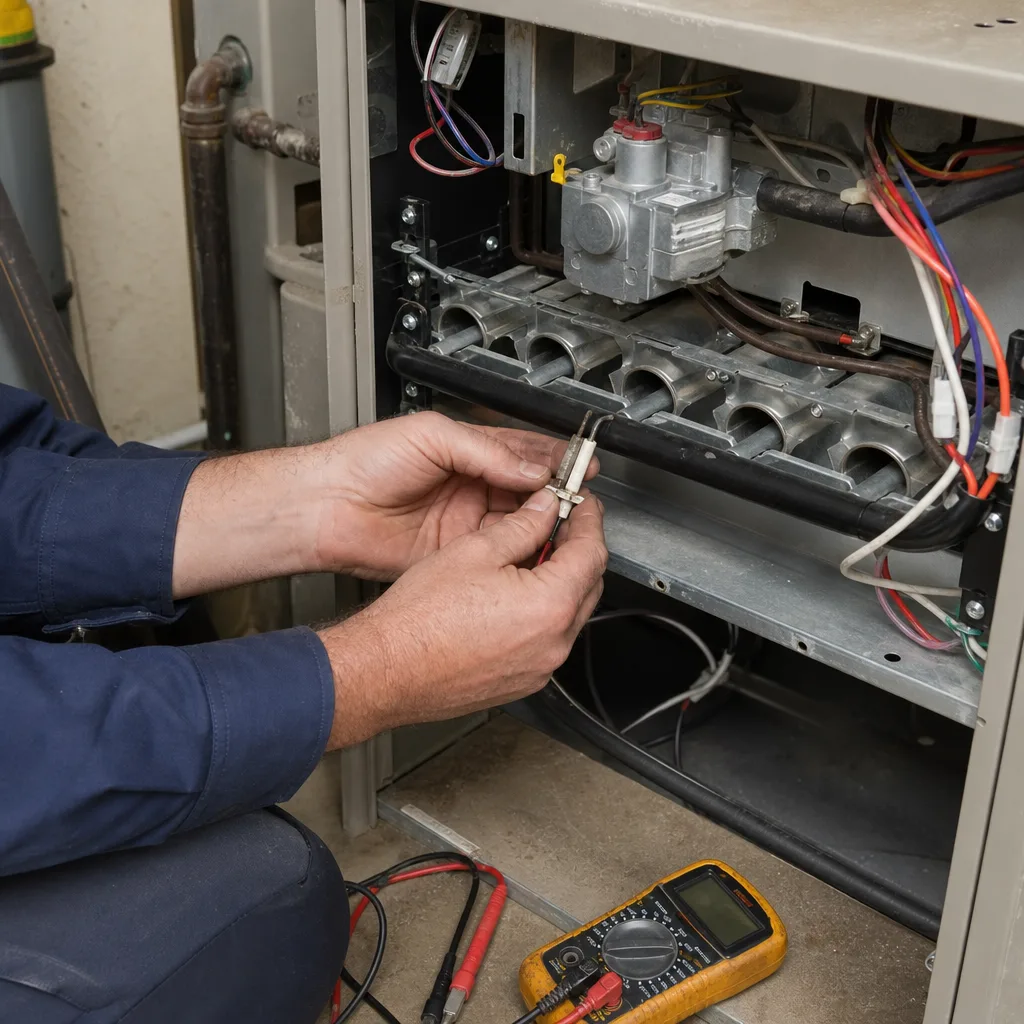
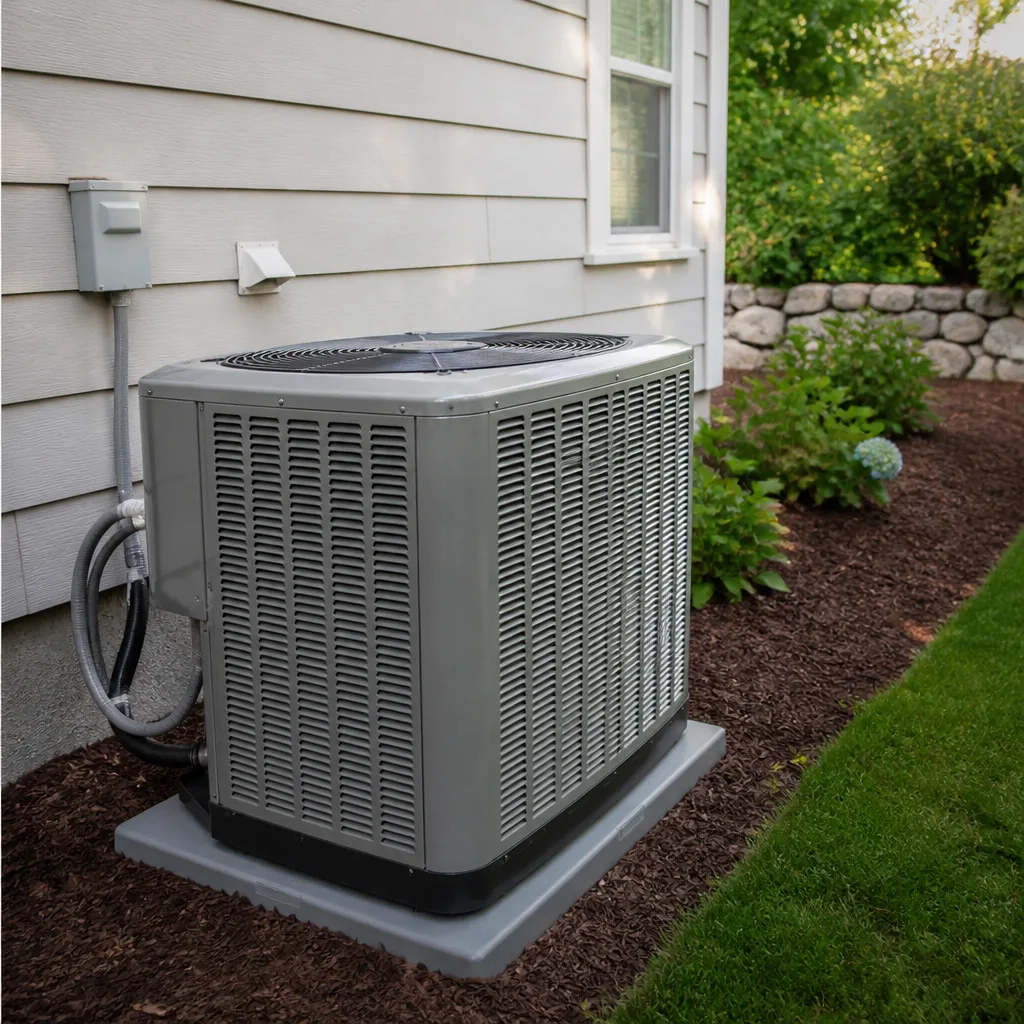 AC repair
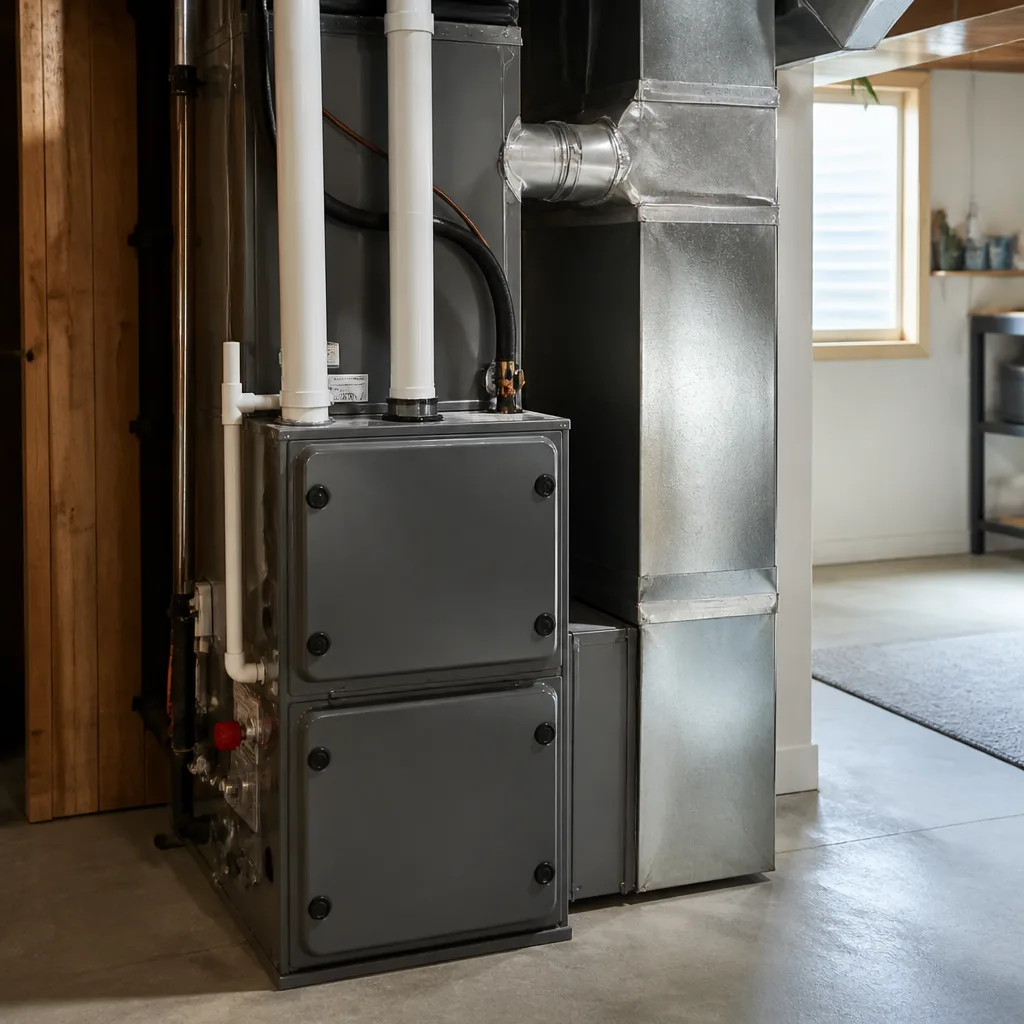 Furnace & heating
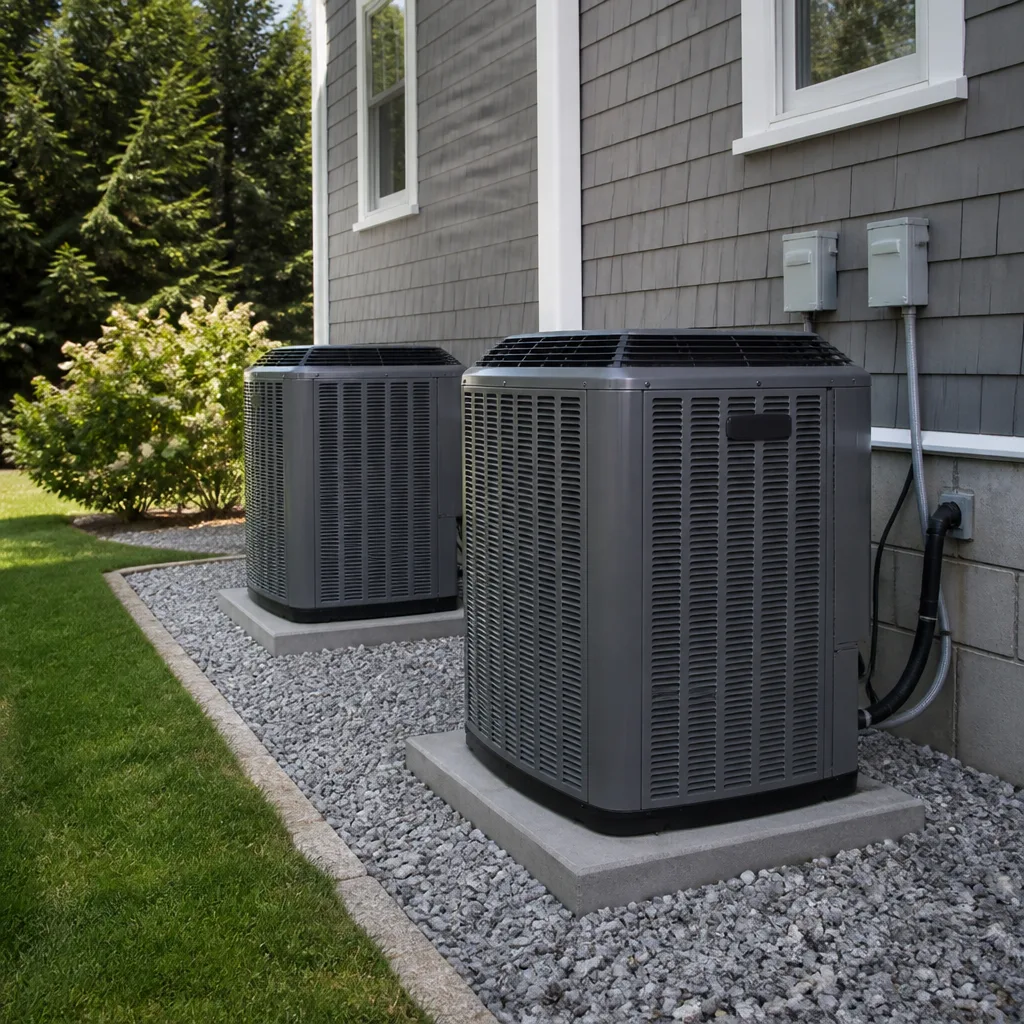 Heat pumps
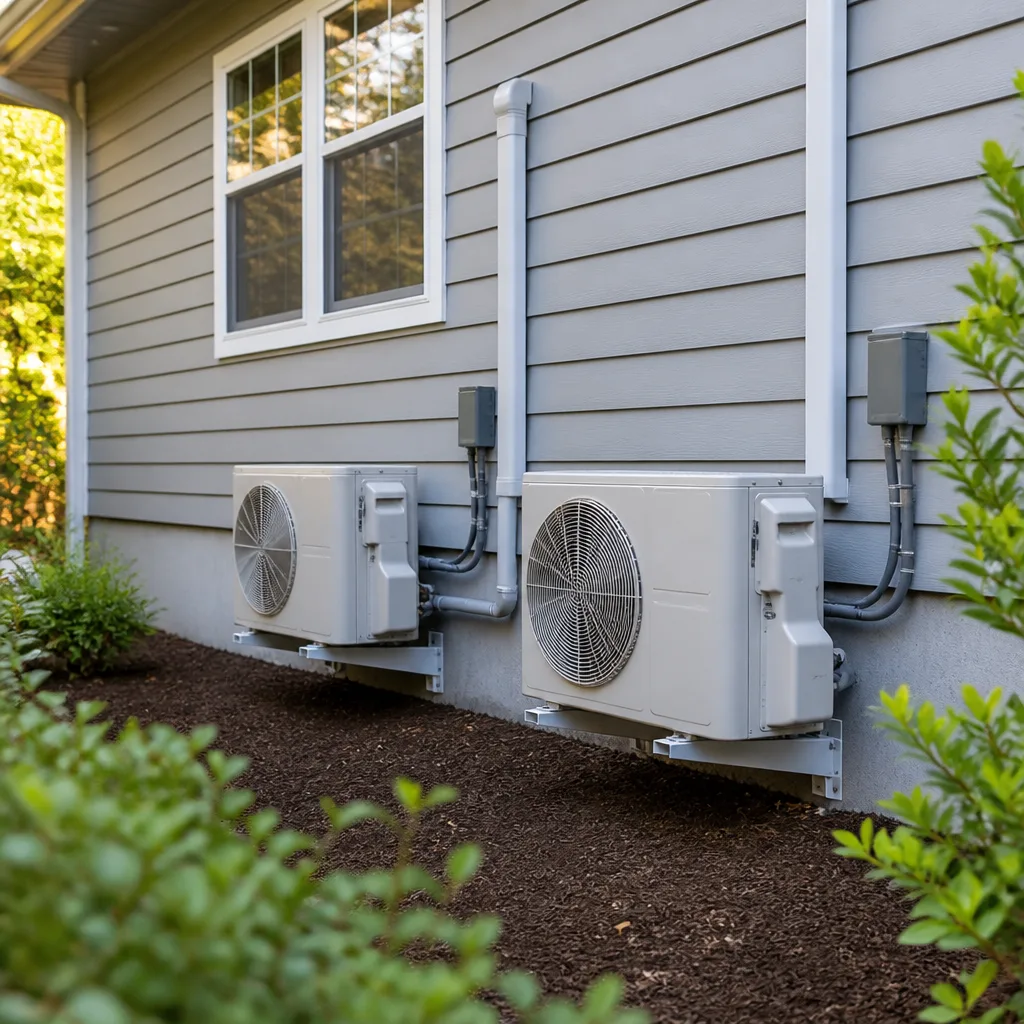 Ductless mini splits
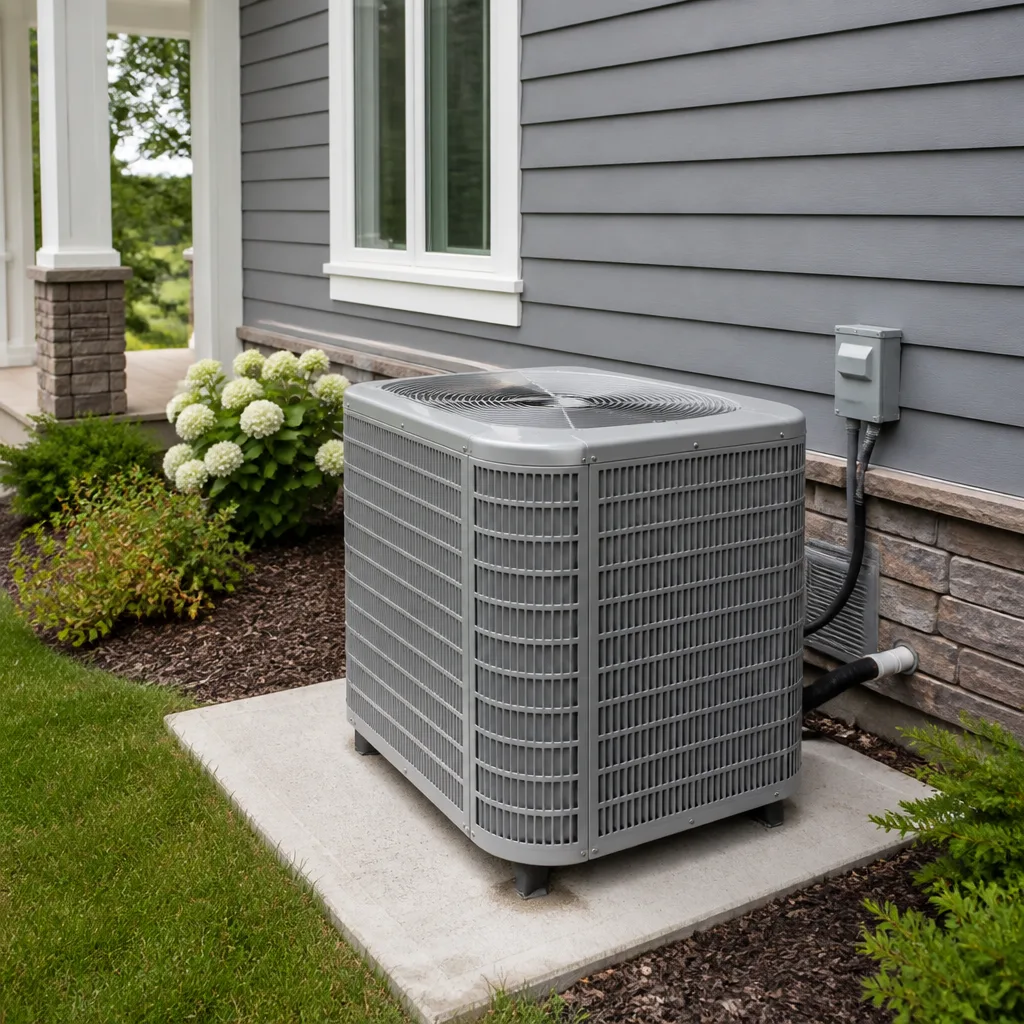 Carrier
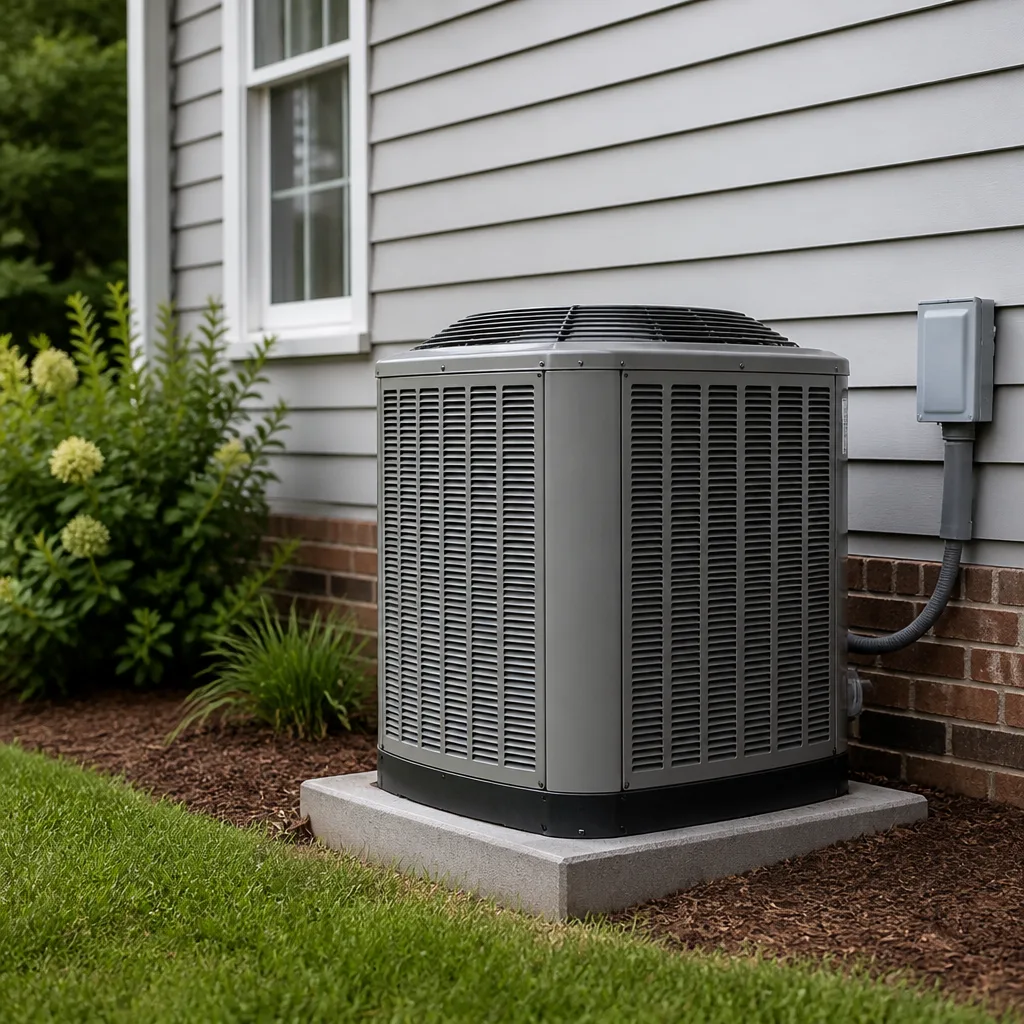 Trane
Trane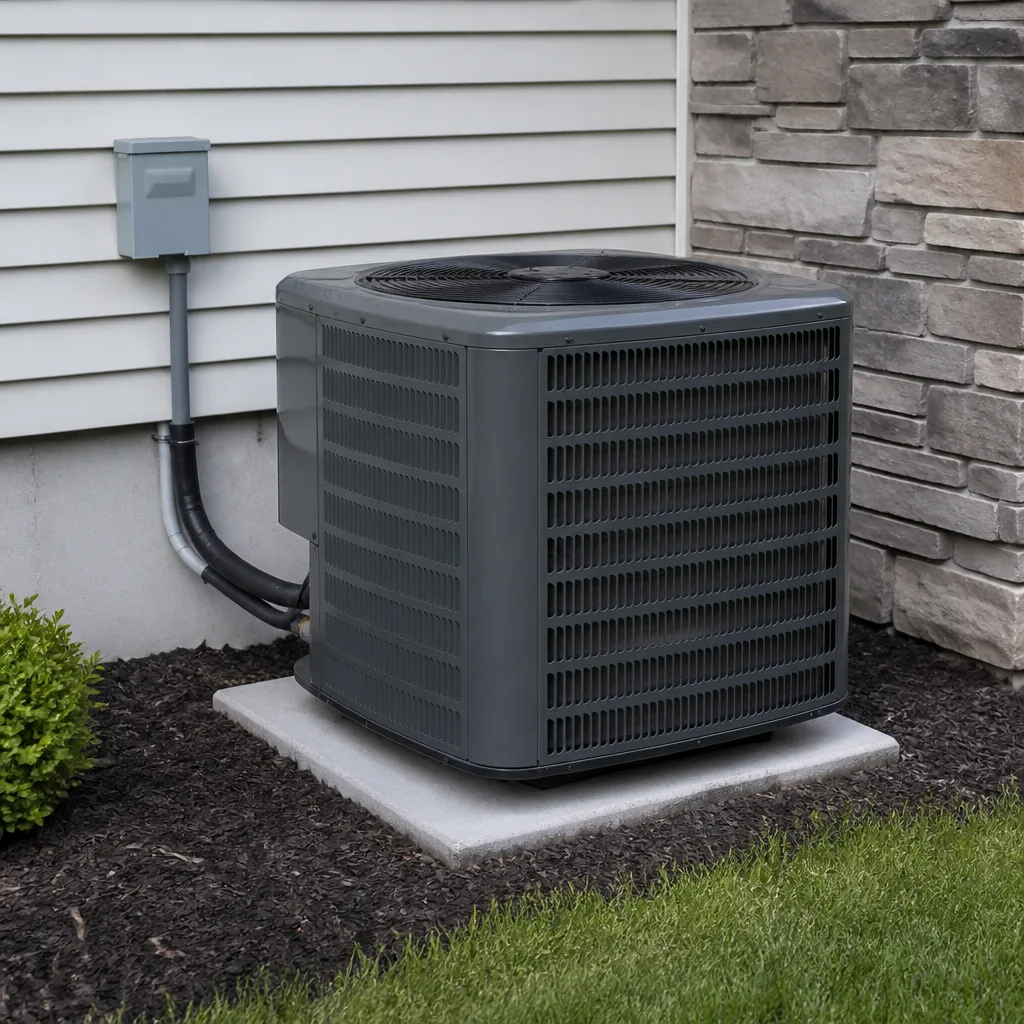 Goodman
Seasonal tune-up and full diagnostic on your Carrier, Trane, or Goodman system - readings shown to you before any repair is proposed
Diagnosis first, numbers second - you approve the repair price before a single part goes in.
Get your free estimateHVAC Permits, Codes & Inspections in CA: What You Need to Know
Here’s a number that should make every California homeowner sit up straight: a skipped HVAC permit in San Diego costs an average of 8 to 12 times more to fix after the fact than it would have cost to pull in the first place. We’re not talking about fines, either, though those exist. We’re talking about what happens when an unpermitted furnace or AC swap gets flagged during escrow. Buyers demand remediation. Sellers pay whatever it takes to keep the deal alive. In this guide, you’ll learn exactly which HVAC jobs in San Diego trigger the permit requirement, what inspectors actually look for at each stage, how unpermitted work gets discovered, and how to fix a permit gap before it becomes somebody else’s problem.
Quick Answer
Most HVAC work in California requires a permit, including furnace replacements, AC installations, and any change to ductwork, electrical wiring, or gas lines. In San Diego, the permit is issued by the City of San Diego Development Services Department for city addresses, or by the County for unincorporated areas. An in-kind equipment swap (same type, same location, same specs) is still a permit-triggering job under California Building Code, though the inspection path is shorter than a full system relocation. The permit fee for a typical residential HVAC replacement in San Diego runs $150 to $400, and the inspection takes one to three visits depending on whether it’s a change-out or a new installation.
Styles & brands we work with
Table of Contents
- When an HVAC Permit Is Actually Required in San Diego
- Title 24, Manual J, and the Paperwork Inspectors Actually Check
- Rough-In and Final: What Inspectors Look For at Each Stage
- How Unpermitted HVAC Work Gets Discovered at Real Estate Transactions
- Retroactively Permitting Unpermitted Work in San Diego
- What HVAC Permits Cost in San Diego County
- Who Pulls the Permit: Homeowner vs. Contractor
- Common Mistakes to Avoid
When an HVAC Permit Is Actually Required in San Diego
Let’s start with the rule most homeowners get wrong: an “in-kind replacement” still requires a permit in California. You’re not swapping a furnace for the same model in the same location and getting a free pass. The California Mechanical Code (CMC) requires a mechanical permit for the installation, alteration, or replacement of any heating or cooling equipment connected to fuel gas, refrigerant lines, electrical circuits, or ductwork. That covers virtually every furnace, heat pump, and air conditioner in a home.
Where it gets confusing is the difference between a permit and a full inspection package. A simple swap-out (same fuel type, same capacity class, same location, no duct changes) is a permit plus one final inspection in most San Diego jurisdictions. Change the equipment type (say, furnace to heat pump), move the unit, add returns, or alter the electrical service, and you’re now in multi-visit territory: rough-in inspections for the rough electrical and mechanical work, a final, and possibly a separate electrical or gas inspection depending on scope.
Jobs that always need a permit in San Diego
- Furnace replacement, gas or electric, in any configuration
- Air conditioning installation, including ductless mini-split systems
- Heat pump installation or conversion from gas to electric
- Ductwork installation, replacement, or major modification
- Gas line extension or relocation for any heating appliance
- New electrical circuits, disconnects, or panel work tied to HVAC equipment
- Relocation of an outdoor condenser unit to a new pad or roof location
Jobs that generally don’t need a permit
- Replacing a thermostat with a like-for-like swap (line voltage stats are the exception)
- Changing a filter, capacitor, contactor, or igniter as a repair, not a replacement of the equipment
- Cleaning coils, flushing drain lines, or standard maintenance
- Refrigerant top-off when the system is otherwise unmodified (though this often signals a leak, which is a different conversation)
In San Diego, the coastal climate shapes what’s legal and what’s practical. A permit for a heat pump in Clairemont or Point Loma follows the same code path as a furnace in Rancho Bernardo, but the energy-efficiency compliance path differs under Title 24 because San Diego County is split across climate zones 7 and 10, and the zone affects the required efficiency ratings on the equipment. A contractor who doesn’t know which zone you’re in is guessing.
If you’re considering an AC repair in San Diego, note that repairs don’t generally need permits. But if that repair becomes a replacement mid-job, the permit conversation starts then, not after the new unit is bolted to the pad.
Title 24, Manual J, and the Paperwork Inspectors Actually Check
California’s Title 24 energy code is where a lot of unpermitted work in San Diego quietly dies on the vine. Title 24 exists to force buildings to meet minimum energy efficiency standards, and HVAC is a big part of that calculation. When a licensed contractor pulls a permit for an HVAC replacement in California, they’re required to submit compliance documentation. That documentation includes a Manual J load calculation, which is the engineering method for sizing a system to a home’s actual heating and cooling demand.
Here’s the uncomfortable truth: a contractor who can’t produce a Manual J probably didn’t do one. We’ve seen systems in Mira Mesa and Tierrasanta that were sized by square footage alone, which is a good way to oversize an AC, short-cycle it, and create humidity problems in a climate that barely needs the help. An oversized unit cools the air too fast to remove moisture, and San Diego’s coastal summer air carries enough moisture that you’ll feel it.
Title 24 compliance for HVAC in San Diego County requires documentation proving both the heating and cooling side of the equation. The building department wants to see that the equipment meets the state’s efficiency tiers and that the system’s design accounts for the home’s orientation, window area, and insulation levels. In climate zone 7 (the coastal strip), the cooling load is mild, but the code still demands a written load calc. In climate zone 10 (inland), the summer highs push cooling equipment harder, and the efficiency requirements adjust accordingly.
What does an inspector check when they show up? They’re holding the permit card and the approved plans. They’re checking the equipment model numbers against what was specified, verifying the disconnect location and clearances, checking the condensate drain routing, and looking for gas line support and shutoff access. They are not doing a white-glove audit of the copper brazing, but they will call out a unit that doesn’t match the permit application. If the submitted Manual J says 3 tons and there’s a 4-ton condenser sitting outside, that’s a red-tag conversation.
When we install equipment in San Diego, including the AC installation work we do, the permit packet includes the load calculation, the compliance registration from the state’s energy databases, and the model-specific efficiency ratings. The homeowner gets a copy of every one of those documents. You paid for the engineering; you should be able to see it.
Rough-In and Final: What Inspectors Look For at Each Stage
San Diego County runs HVAC permits through a two-stage inspection process for anything beyond an in-kind replacement: a rough-in inspection, then a final. On a simple change-out, the inspector may combine these into a single visit. On a relocation or fuel-type conversion, expect two separate appointments.
Stage 1: Rough-In Inspection
The rough-in happens before the walls go back on and before the equipment is fully dressed out. Here’s what the inspector is actually evaluating at this stage:
- Duct connections and sealing. California requires mastic or UL-listed tape at every joint, not duct tape. The inspector will look at the joints before insulation hides them.
- Gas line installation. For gas furnaces, this means verifying the line is sized correctly, supported properly, and has a shutoff within reach of the unit.
- Electrical rough-in. The disconnect box, the whip to the condenser, the high-voltage feed, and the low-voltage control wiring all get a visual check before final connections are made.
- Condensate drainage. The drain line routing is checked for proper slope, and the auxiliary drain pan (or float switch) is verified for attic installations.
- Equipment placement. Clearances from walls, fences, and windows are measured. A condenser squeezed into a side yard with 4 inches of clearance will fail.
Stage 2: Final Inspection
The final visit happens after the system is running. The inspector checks that the equipment model numbers match the permit, that the system operates in both heating and cooling modes, that the thermostat is properly wired, and that all required documentation is on site. They’ll also confirm the refrigerant charge has been completed by a certified technician (EPA Section 608 is the relevant credential) and that the condensate drain terminates in an approved location.
In San Diego specifically, inspectors are increasingly strict about two things we see trip up otherwise competent installations: seismic anchoring for rooftop equipment and clearances around coastal salt-air equipment. The salt-air consideration applies in communities like Ocean Beach, Pacific Beach, and Coronado, where the code calls for corrosion-resistant hardware and proper coating on exposed copper runs. Miss that detail, and the final fails.
One more San Diego nuance: the city and the county are different jurisdictions. A home in Chula Vista, El Cajon, or La Mesa falls under its own building department. Unincorporated areas like Spring Valley, Lakeside, and Alpine go through the County of San Diego. The codes are identical (California Building Standards Code), but the amendment packages and the inspection scheduling systems differ slightly. Good contractors who work across the metro know which office to call and which version of the checklists to expect.
How Unpermitted HVAC Work Gets Discovered at Real Estate Transactions
This is where the $180 permit turns into a $3,200 problem. When a home in San Diego goes under contract, the buyer’s home inspector and the buyer’s lender both start asking for documentation. The permit history on the property is public record, and a missing permit on a furnace or AC unit that’s obviously newer than the last permit on record is one of the most common escrow findings we hear about.
Here’s the sequence that plays out in San Diego real estate transactions more often than anyone in the industry wants to admit:
- Title search pulls the permit history. The buyer’s title company or the escrow officer orders a building permit report alongside the standard title work. Any HVAC install without a corresponding permit shows up as a red flag.
- The buyer’s home inspector notes it. Even a thorough inspector can’t verify code compliance on hidden mechanical work, but they can tell the difference between a 20-year-old system and a four-year-old system. If the equipment age doesn’t match the permit record, they’ll note it in the inspection report.
- The buyer’s agent asks for documentation. This is usually where the phone call comes from: “The buyers want to see the permit for the AC. Do you have it?”
- If the answer is no, the negotiation begins. Buyers have leverage at this point. The seller either opens the wall and pulls a retroactive permit (which we’ll get to in the next section), offers a price reduction, or pays for the buyer’s desired remediation. None of these options cost less than the original permit would have.
California law also imposes a seller disclosure obligation. The California Civil Code (specifically the transfer disclosure statement, or TDS, and the seller property questionnaire) requires sellers to disclose known unpermitted work. If a seller knew the AC was installed without a permit and didn’t disclose it, and the buyer later discovers the issue, the buyer may have a legal claim for failure to disclose. In practice, this comes down to proving what the seller knew, but the evidence trail is rarely flattering: a contract with no permit line, a model number that post-dates the last permit, and a neighbor who remembers the install van.
Retroactively Permitting Unpermitted Work in San Diego
If you already own a home with unpermitted HVAC work, the fix is more manageable than it looks. San Diego’s Development Services Department has a well-established path for issuing a permit for existing unpermitted work. The process is called “as-built permitting,” and it’s designed for exactly this situation.
Step-by-step: getting a permit after the fact in San Diego
- Document everything. Take photos of the equipment serial numbers, the electrical disconnect, the gas line routing (if applicable), the condensate drain, and any visible ductwork connections.
- Gather what records exist. If the installing contractor gave you a manual, warranty card, or model numbers, pull those together. If you have no records at all, the serial number on the equipment can be used to identify the model and its efficiency rating.
- Contact San Diego Development Services. Tell them you need to permit an unpermitted HVAC installation. They’ll assign a permit number and tell you whether they need a full Title 24 compliance package or a simplified field verification.
- Expect an inspection to expose what’s hidden. For unpermitted ductwork, the inspector may need to see the joints. That means opening drywall or at least providing access panels. If the ductwork was never sealed to code, the inspector will flag it. If the gas line was never pressure-tested, that test becomes part of the final.
- Fix what gets flagged. The most common retrofit corrections in San Diego are: duct re-sealing, condensate drain rerouting, disconnect box replacement, and gas shutoff valve upgrades. These are generally small-dollar items relative to the cost of the original installation.
- Pay the permit fee plus any penalties. San Diego’s penalty structure for unpermitted work is typically a multiplier on the standard permit fee, generally 2x to 3x for work completed without a permit. The exact multiplier depends on how long ago the work was done and what documentation exists.
What we tell homeowners facing this situation is straightforward: the penalty is mild compared to the legal and transactional cost of leaving the work unpermitted. No building department in San Diego County is in the business of punishing homeowners for honest mistakes. They want the work permitted, inspected, and safe.
What HVAC Permits Cost in San Diego County
The actual permit fee for a residential HVAC permit in San Diego depends on the jurisdiction, the scope, and whether the permit is being pulled before the work (standard) or after the fact (penalty multipliers). Here’s a ground-level look at what homeowners in the region should expect to pay:
| Permit Type | Typical Fee Range | Notes |
|---|---|---|
| Standard mechanical permit (furnace or AC change-out) | $150 – $300 | City of San Diego fee plus state surcharge. In-kind replacement without duct or gas line changes. |
| Mechanical permit with duct modification | $250 – $450 | Higher fee reflects the additional inspection scope. County fees in unincorporated areas can reach $500. |
| Gas line extension permit (separate permit) | $100 – $250 | Required when the existing gas line doesn’t reach the new appliance location. |
| Electrical permit for HVAC circuit work | $100 – $300 | Separate permit required for new circuits, disconnect changes, or panel modifications. |
| After-the-fact penalty multiplier | 2x – 3x base fee | Applied by San Diego Development Services when work was completed without a permit. |
| Re-inspection fee (if a correction is needed) | $75 – $150 | Per visit. A failed final inspection followed by one correction visit adds this fee. |
Here’s a real example from a job we handled in Clairemont: a homeowner hired a cut-rate contractor who installed a new furnace without a permit. The total cash price for that unpermitted furnace install was $2,900. The homeowner later needed to sell the home, and the buyer’s inspection flagged the unpermitted work. By the time the retroactive permit, penalty multiplier, duct re-sealing, and a second inspection were complete, the “savings” of skipping the permit had turned into $1,100 in additional cost – and the sale nearly fell apart while the remediation dragged on. The original permit would have been $220.
Who Pulls the Permit: Homeowner vs. Contractor
This is one of the most misunderstood aspects of the permit process, so let’s make it clear. Under California law, the person or company performing the work is the one who must hold the contractor’s license and is the one whose name goes on the permit. When a homeowner hires a licensed contractor, the contractor pulls the permit under their license. When a homeowner does the work themselves (which is legal in California for owner-occupied single-family homes in many cases), the homeowner pulls the permit under their own name.
The distinction matters for two reasons. First, unlicensed contractors cannot legally pull permits in California. If you hire a handyman who promises they can “handle everything, no need for permits,” what they’re really telling you is that they’re going to do unpermitted work and hope nobody finds out. Second, the permit creates a record. If the contractor pulls the permit, the work is tied to their license, which is a strong incentive for them to do it correctly. If they refuse to pull a permit, ask yourself what they’re worried about.
In San Diego, a licensed contractor pulling an HVAC permit provides the following documentation to the building department:
- Current California contractor’s license (C-20 warm-air heating, ventilating, and air-conditioning classification)
- Certificate of insurance with the contractor named as the holder
- Equipment specifications and Title 24 compliance documentation
- Manual J load calculation when required by the jurisdiction or the scope of work
- Payment of the permit fee
We pull the permit for every installation we do in San Diego. It’s not optional. It’s not a line item we ask if you’d like to skip. The permit is part of the job because the inspection is part of the job. A system that hasn’t been inspected is a system you can’t fully trust, because nobody with authority has verified that the gas line holds pressure, the electrical connections are torqued to spec, and the condensate drain won’t flood your ceiling.
If you need a furnace repair in San Diego, the permit conversation is different. Repairs don’t need permits. But when a furnace is so far gone that replacement is the answer, anyone who quotes you a price that doesn’t include the permit fee is either padding the number elsewhere or planning to skip it. Ask for the permit fee as a line item. Real contractors will show it to you.
Common Mistakes to Avoid
- Assuming an in-kind swap doesn’t need a permit. It does. The California Mechanical Code doesn’t carve out an exception for changing like for like. This is the single most common misconception we correct in San Diego.
- Hiring a contractor who says they’ll “handle the permit after the install.” Permits are issued before work begins, not after. If the work is already done, you’re now in retroactive-permit territory, and that carries penalties.
- Rolling the permit fee into a cash price with no line item. A legitimate contractor will show you the permit fee separately. If it’s buried in the total, you don’t actually know whether a permit was pulled.
- Believing that a home inspector at resale will catch everything. Home inspectors are generalists. They can flag age discrepancies and missing permits, but they won’t verify code compliance on hidden ductwork or gas connections. That’s the building inspector’s job.
- Relying on verbal assurances that the work was permitted. Get the permit number. Look it up. San Diego’s Development Services Department has an online permit lookup tool that takes thirty seconds to search.
- Ignoring the climate-zone-specific Title 24 requirements. San Diego County spans two climate zones with different efficiency standards. A contractor working from a generic statewide checklist isn’t doing file-specific compliance work.
- Treating the final inspection as a rubber stamp. We’ve watched final inspections fail for condensate drains, seismic straps, and missing documentation. The inspection is real, and failing it means re-scheduling, re-paying the re-inspection fee, and re-opening whatever was buttoned up too early.
When to Call a Professional
Any time a furnace, AC, or heat pump is being replaced, relocated, or modified in a way that touches gas, electricity, or ductwork, you need a licensed contractor who handles the permit as part of the job. If you’ve discovered unpermitted work in a home you’re buying or selling, the fastest path to resolution is a contractor who’s navigated the retroactive permitting process before, because the sequence of documentation, inspection, and correction is easier with someone who knows which San Diego office to call. Cold Harbour Heating and Air San Diego offers free estimates in San Diego – call (619) 793-3598. We’ll look at your system, check your permit history, and tell you what needs doing and what doesn’t.
You can read more about our approach to Cold Harbour Heating and Air San Diego home work, or see how we handle the repair side of things on our AC repair page and furnace repair page. If a new system is in your future, our AC installation guide for San Diego covers the equipment and cost side in detail.
See the difference
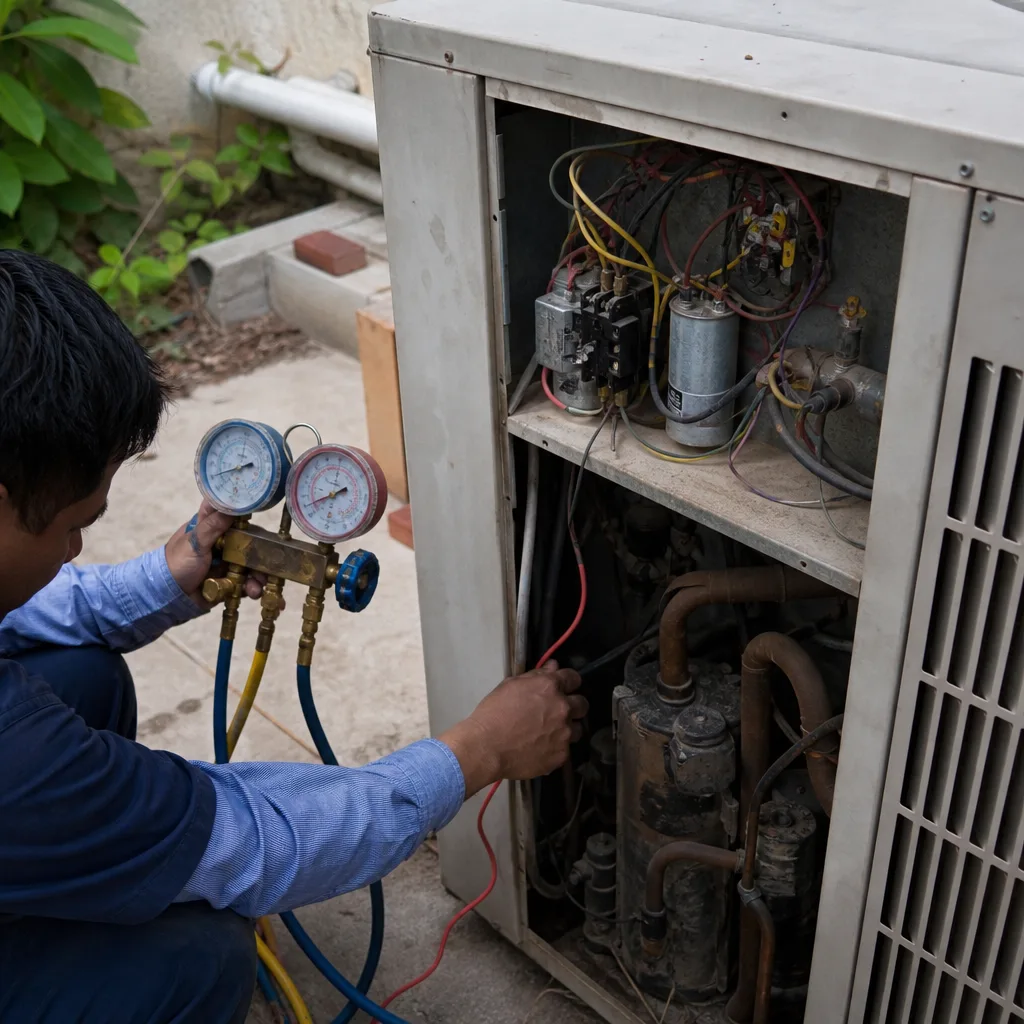 Before
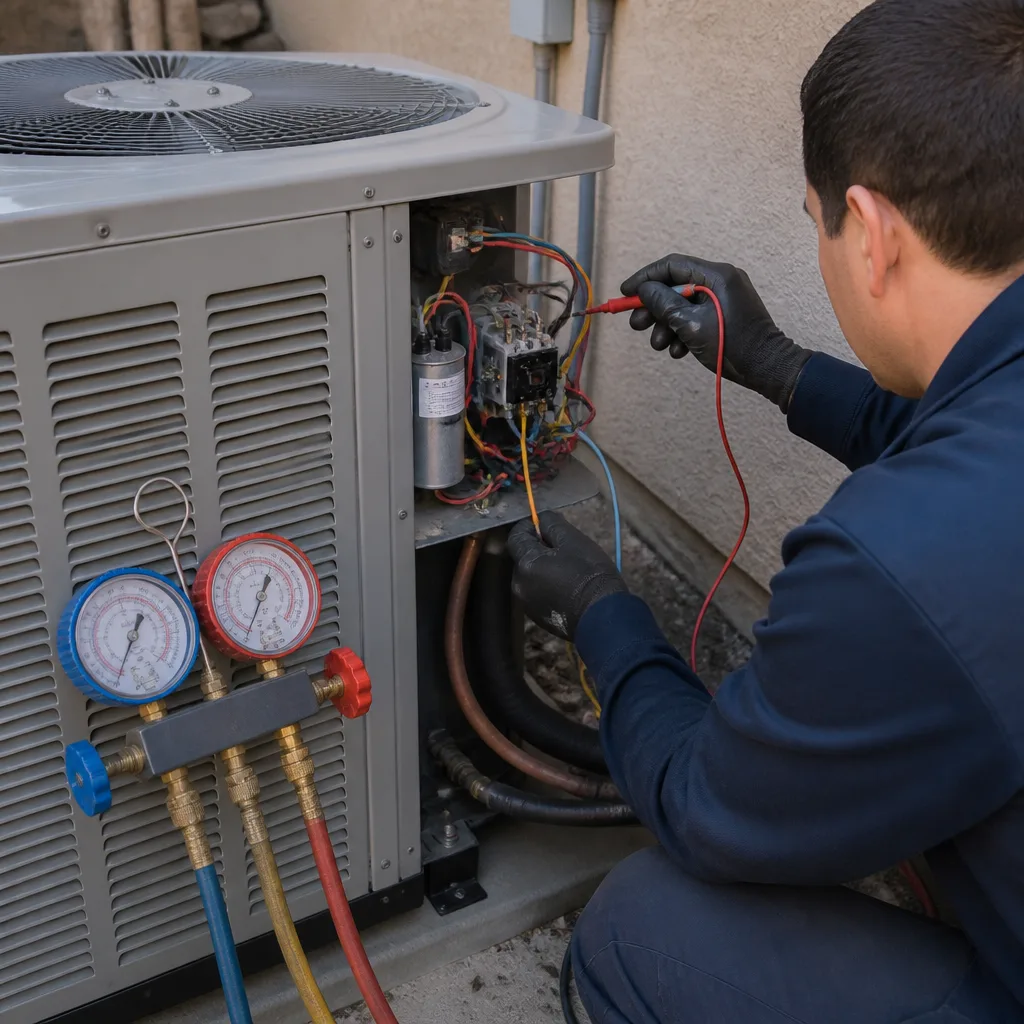 After
After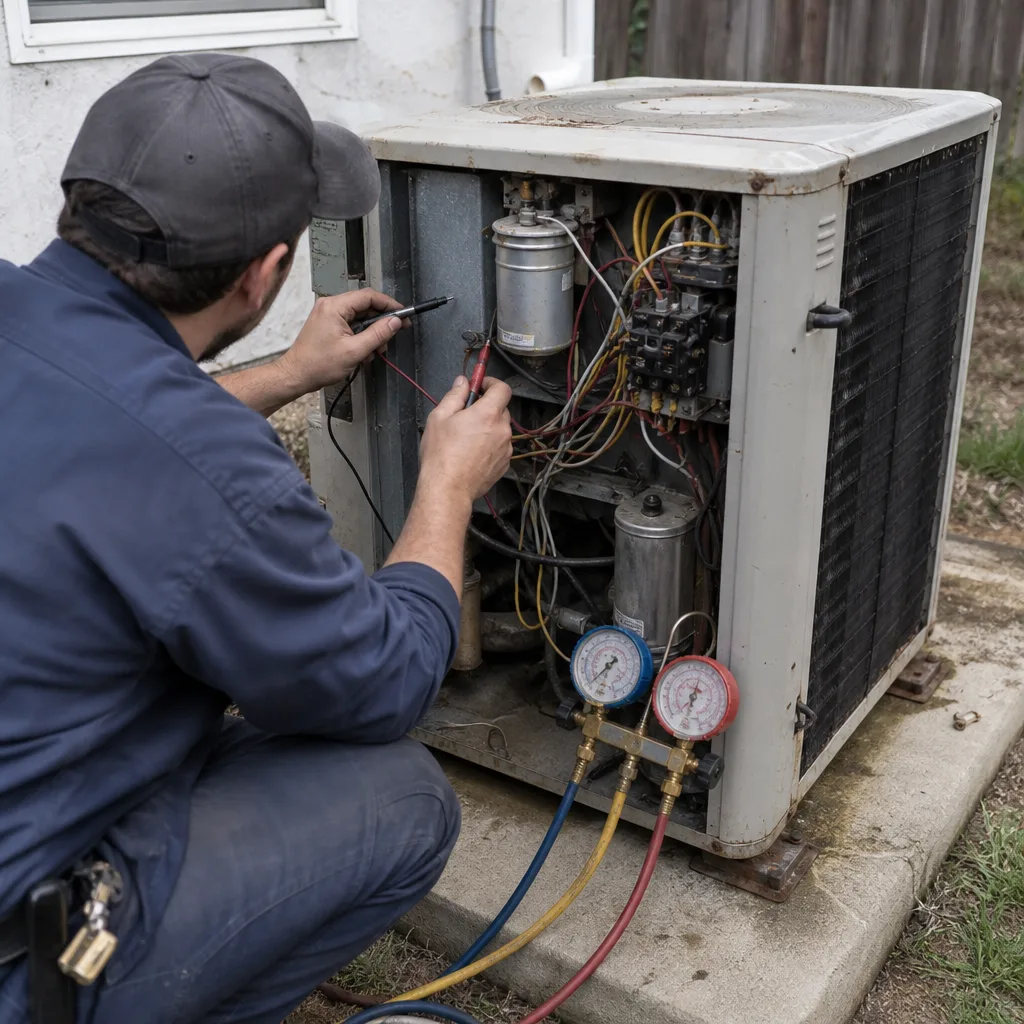 Before
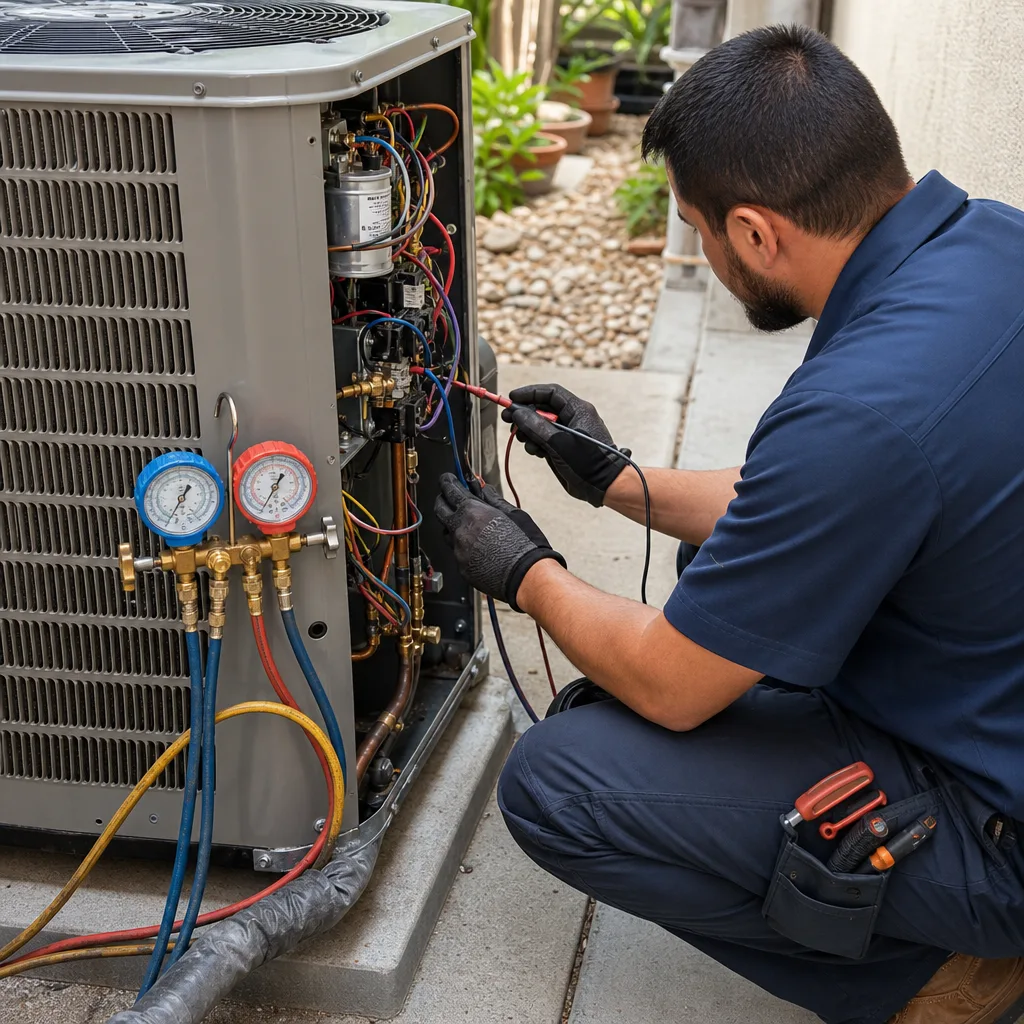 After
After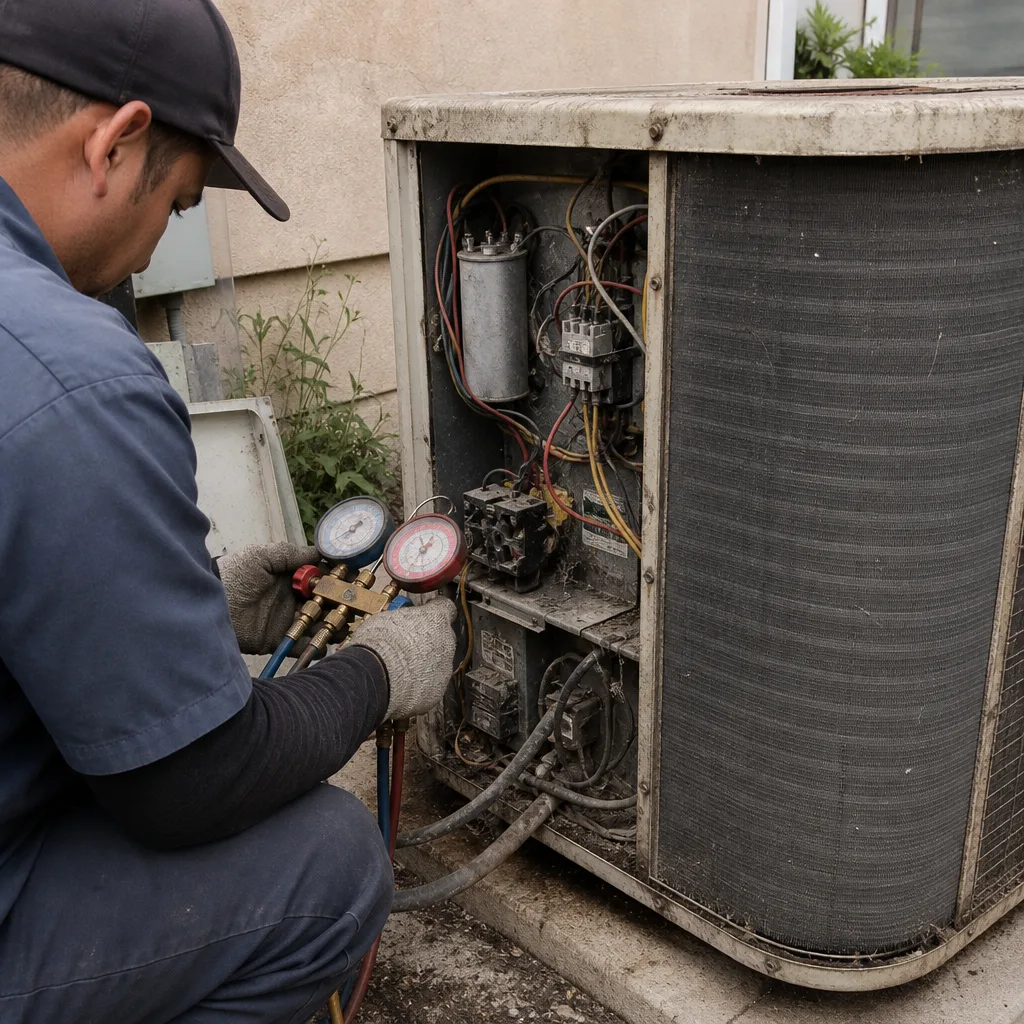 Before
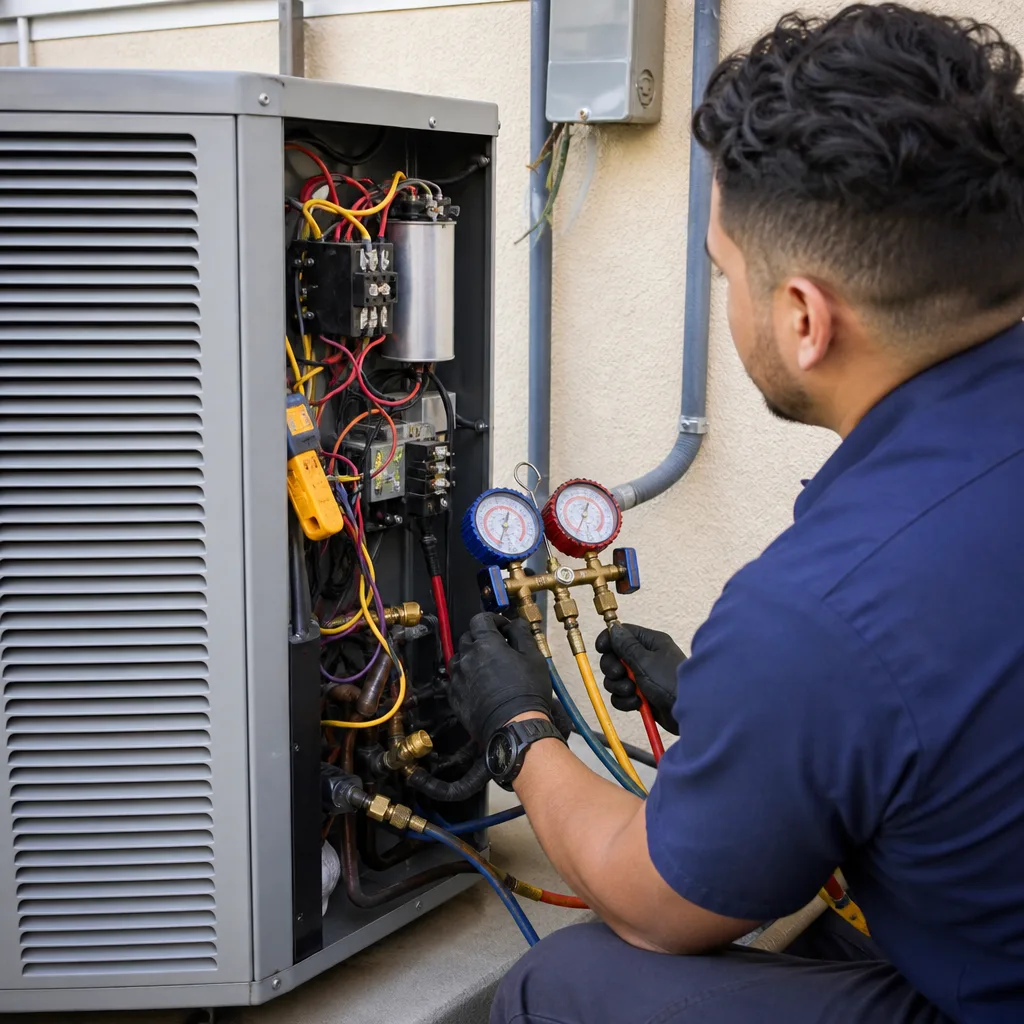 After
AfterFrequently Asked Questions
Yes. A permit is required for any air conditioning installation or replacement in San Diego, including in-kind swaps where the new unit matches the old one in type and location. The permit is issued by the City of San Diego for city addresses and by the County of San Diego for unincorporated areas, and the fee typically runs $150 to $300. Call (619) 793-3598 for a free estimate that includes the permit fee as a separate line item.
Under California law, sellers must disclose known unpermitted work on the transfer disclosure statement, and buyers frequently discover unpermitted HVAC installs through permit history reports and home inspections. The typical resolution is a retroactive permit with penalties (2x to 3x the base fee), a price concession to the buyer, or a remediation job to bring the work to code. None of those options cost less than the original permit would have, so we recommend addressing the permit before listing if you know the work was unpermitted.
For a straightforward change-out, the permit is typically issued within one to three business days of application, and the inspection can often be scheduled within the same week. For larger jobs requiring plan review, such as new installations with duct design or fuel-type conversions, the timeline stretches to two to four weeks. The physical inspections themselves take thirty to sixty minutes per visit.
In most cases, yes. California allows an owner-occupant of a single-family home to act as their own contractor and pull a permit for HVAC work they perform themselves. The practical problem is that HVAC installation without proper training and certification is dangerous and frequently fails inspection. We recommend a licensed contractor for any job involving gas lines, high-voltage electrical work, or refrigerant handling; leave the permit-pulling to the person whose license is on the line.
A Manual J is a room-by-room calculation of a home’s heating and cooling demand based on square footage, insulation, window area, orientation, and local climate data. California’s Title 24 energy code effectively requires this calculation as part of the permit documentation for new installations and change-outs where the system’s capacity is being evaluated. A contractor who can’t produce a Manual J for your San Diego home probably sized the equipment by rule of thumb, and that’s how you end up with an oversized AC that short-cycles and leaves rooms humid.
Yes. San Diego County is split across climate zones 7 and 10 under Title 24, with coastal communities in zone 7 facing different efficiency requirements than inland communities in zone 10. Coastal installations also require corrosion-resistant hardware and appropriate coating on exposed copper lines due to salt air. A contractor who works regularly in Mission Beach, Ocean Beach, or Coronado will know these requirements; one who doesn’t may miss them entirely.
The Bottom Line
The HVAC permit process in California isn’t a bureaucratic tax on honest work; it’s the mechanism that verifies your furnace won’t leak gas into your home and your AC won’t flood your ceiling. In San Diego, unpermitted work surfaces at resale with a cost that dwarfs the original permit fee. The smart path is simple: hire a contractor who pulls the permit every time, verifies the paperwork is filed, and hands you the inspection sign-off when it’s done. That’s the kind of service the Kingswell network was founded to deliver, and it’s what we do at Cold Harbour Heating and Air San Diego.
Written by Victor Mancini, Owner at Cold Harbour Heating and Air San Diego, serving San Diego since 2003.