
Last updated October 16, 2026
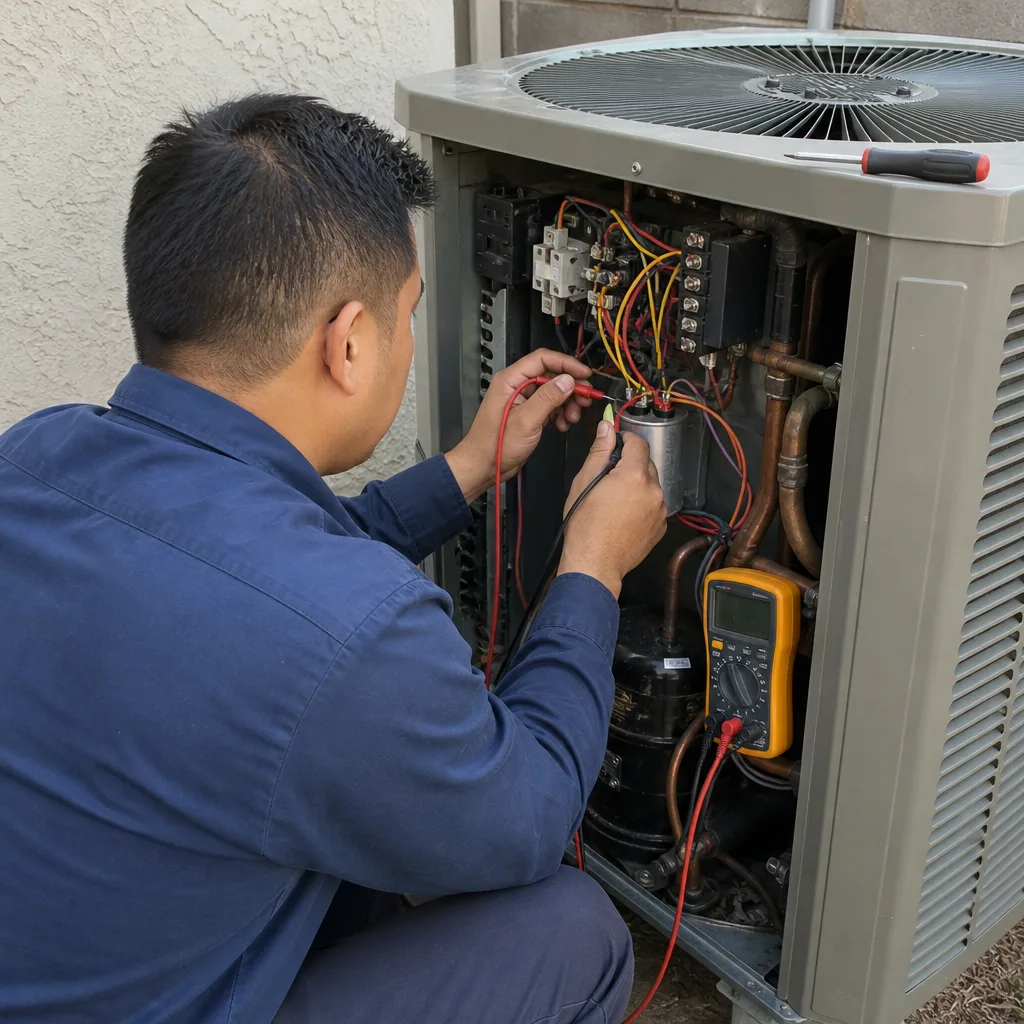
 AC repair
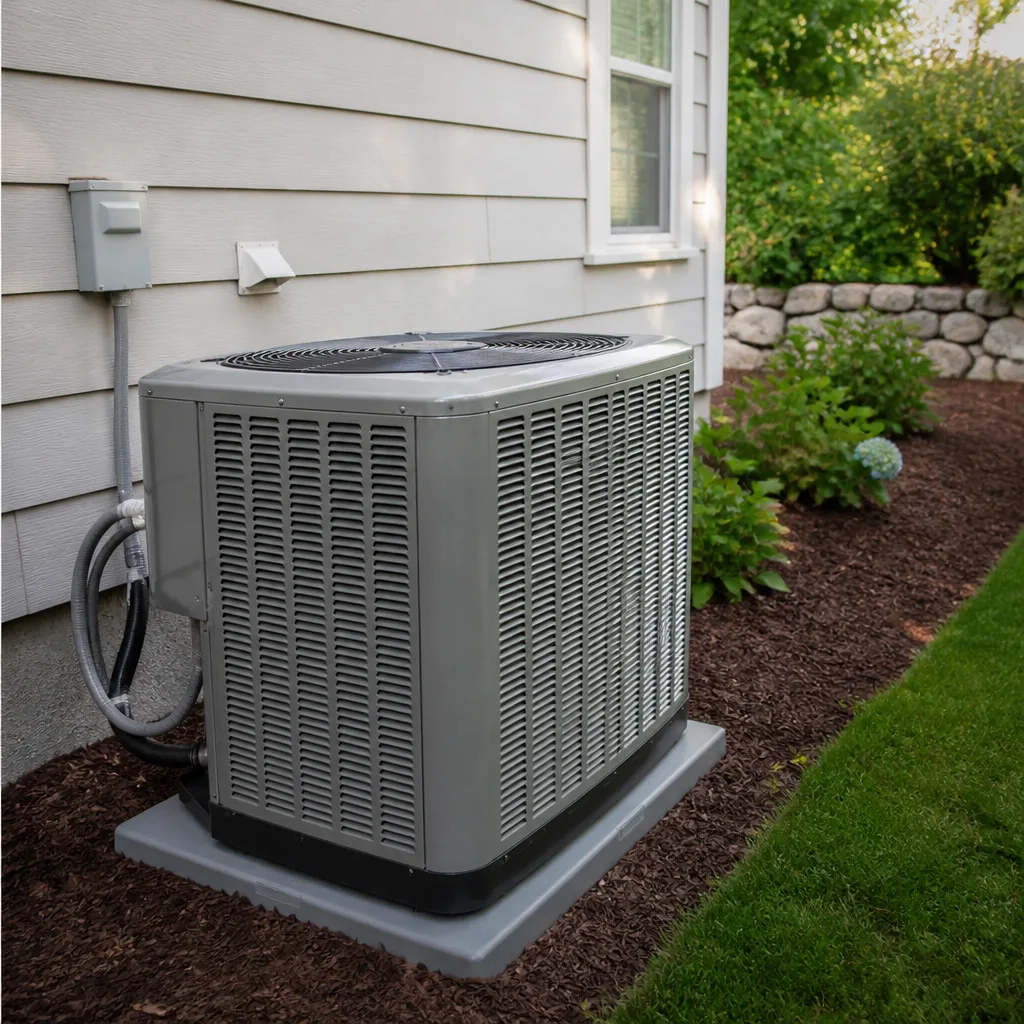
 Furnace & heating
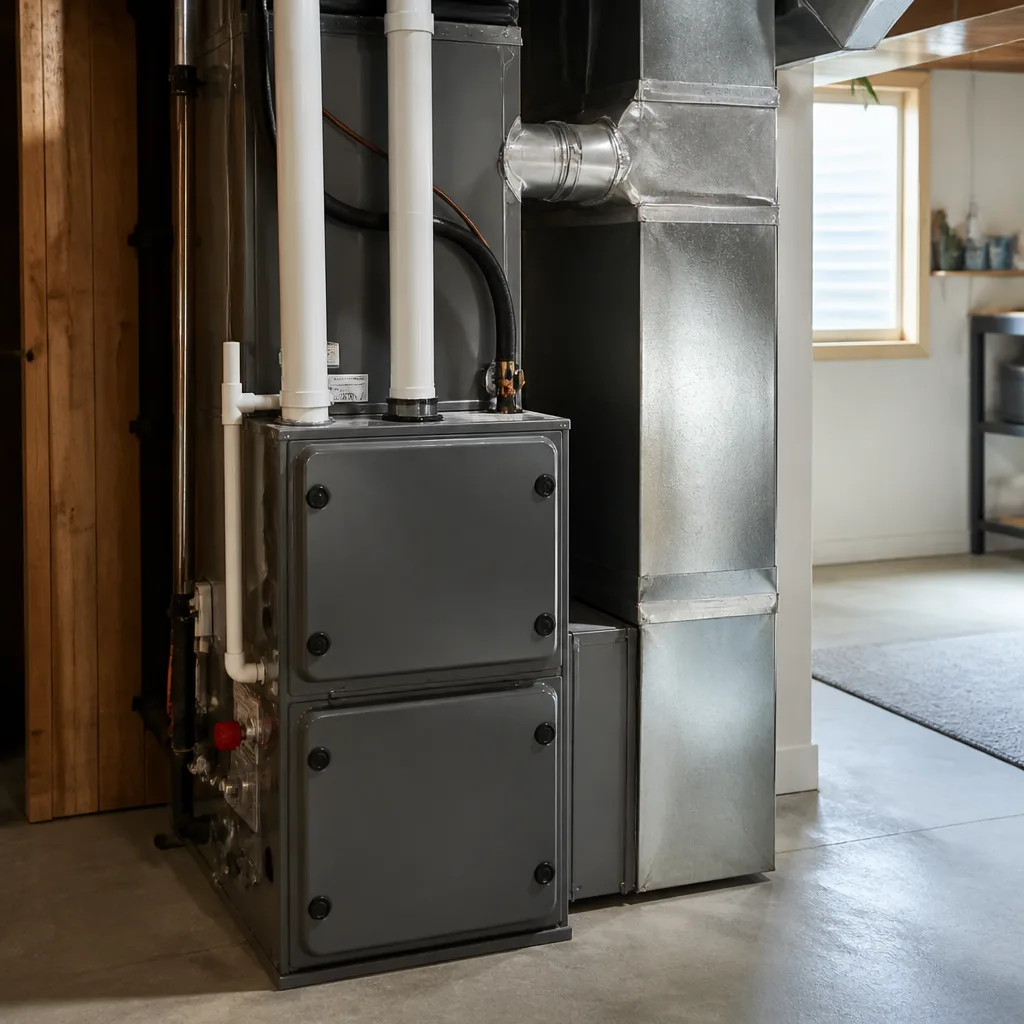
 Heat pumps
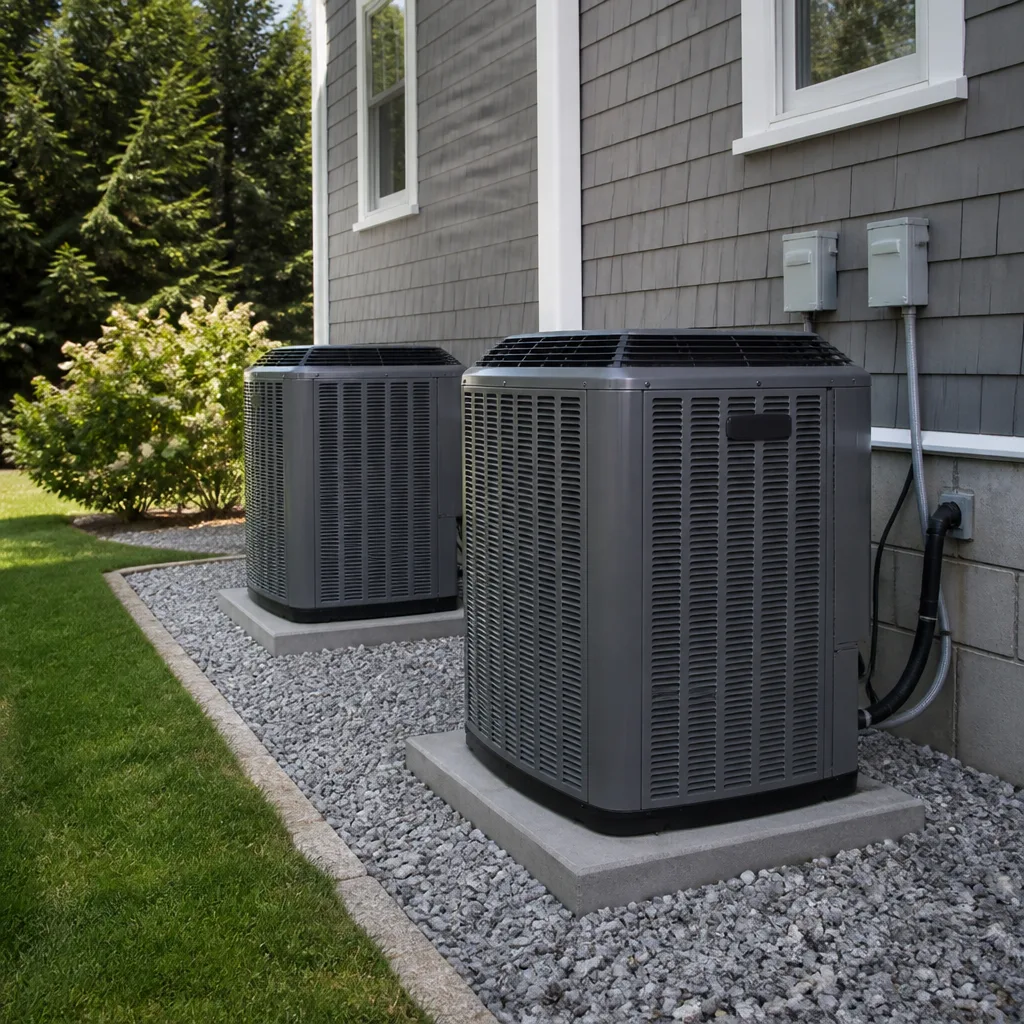
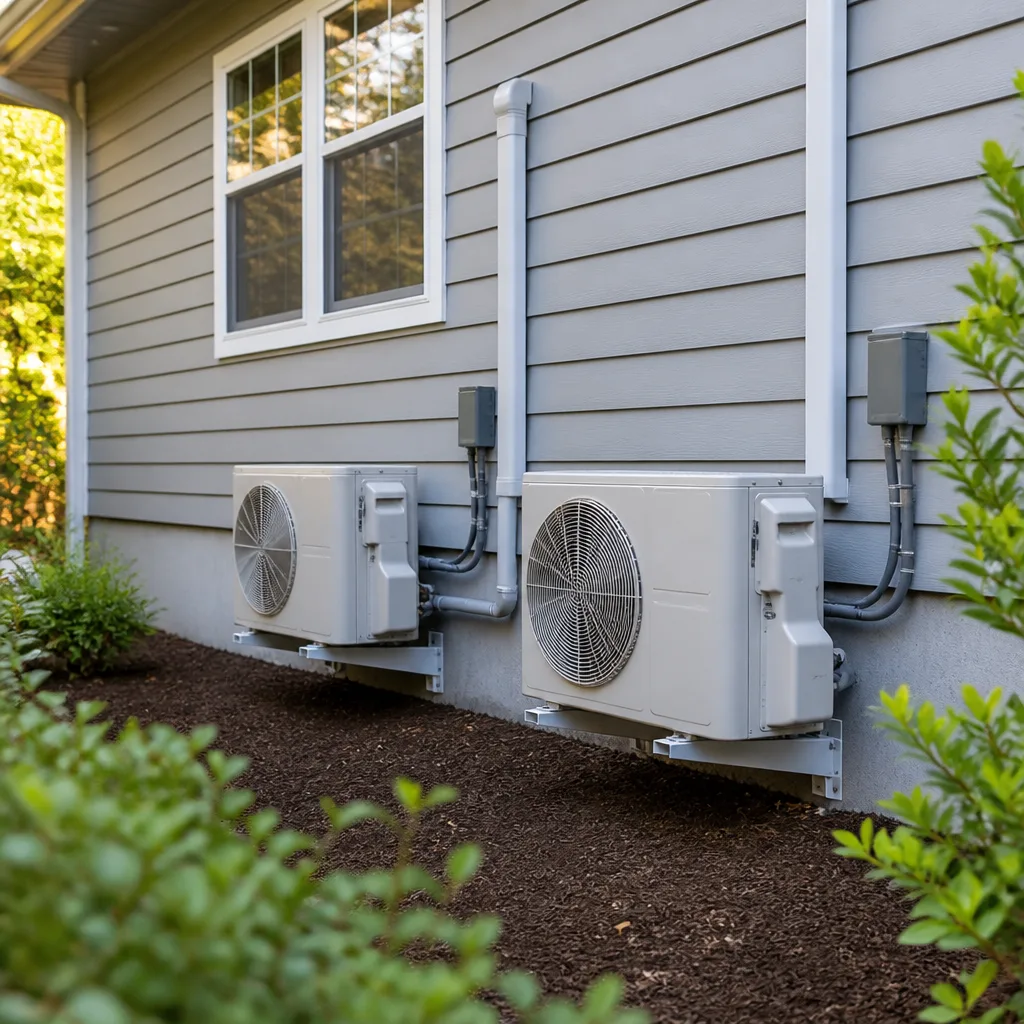 Ductless mini splits
 Carrier
 Trane
Trane Goodman
Seasonal tune-up and full diagnostic on your Carrier, Trane, or Goodman system - readings shown to you before any repair is proposed
Diagnosis first, numbers second - you approve the repair price before a single part goes in.
Get your free estimateThe Complete Guide to HVAC in San Diego
San Diego has at least five distinct micro-climates within a 30-mile radius. The coastal fog belt in Point Loma, the inland valleys of El Cajon, the foothills above Escondido, the desert edge near Borrego Springs, and the canyon corridors like Mission Valley all place radically different demands on heating and cooling equipment. A system sized for a Chula Vista bungalow will behave completely differently when dropped into a Ramona house at 1,400 feet of elevation. This guide maps those climate zones, explains the equipment choices that actually make sense in each one, and shows you where San Diego homeowners most often get burned when they trust generic national HVAC advice instead of local knowledge. For DIY vs Professional HVAC: The San Diego Homeowner’s Decision Guide, see our breakdown.
Styles & brands we work with
Quick Answer
HVAC in San Diego is not one-size-fits-all. The right system depends on which of the city’s five micro-climates you live in, what fuel source your home uses, and whether your house was built before or after California’s Title 24 energy code took effect. Most San Diego homes do best with a heat pump or a high-efficiency gas furnace paired with a properly sized air conditioner, but the correct answer changes block by block. The single most important move any San Diego homeowner can make is getting a system sized and maintained for their specific climate zone, not their zip code’s average temperature.
Table of Contents
- San Diego’s Five Micro-Climates and What They Mean for Your HVAC
- The “Mild Climate” Misconception That Causes Most San Diego Breakdowns
- Heat Pumps, Gas Furnaces, and Mini-Splits: What Makes Sense Where
- San Diego Title 24 Requirements: What the Energy Code Means for Your Install
- What a Written Service Agreement Should Contain (and What Most Contractors Hand You)
- How Often Should You Service HVAC in San Diego? A Maintenance Schedule by Zone
- What HVAC Work Actually Costs in San Diego: Real Price Ranges
- Common Mistakes to Avoid
- When to Call a Professional
- Frequently Asked Questions
- The Bottom Line
San Diego’s Five Micro-Climates and What They Mean for Your HVAC
San Diego’s climate reputation is built on averages, and averages hide everything that matters. The official weather station at Lindbergh Field sits a few hundred yards from the bay, where the marine layer moderates temperatures year-round. But drive 15 miles east and you’re in a different world. Here are the five zones we actually work in, and how each one changes the HVAC conversation.
1. The Coastal Fog Belt (Point Loma, Ocean Beach, La Jolla, Coronado)
Homes within about three miles of the coast deal with a narrow temperature band all year. Summer highs rarely exceed 78°F, but the marine layer brings persistent humidity from May through July, and that humidity is the problem. Coastal homes often have undersized or aging systems because they rarely run for cooling. The real issues are mold risk in ductwork, corrosion on outdoor condenser units from salt air, and inadequate dehumidification when the AC does run. Coastal systems need corrosion-resistant coil coatings and a maintenance schedule focused on airflow and moisture control more than refrigerant levels.
2. The Inland Valleys (El Cajon, Santee, Poway, Escondido, Chula Vista East)
This is where most San Diego County residents live, and it’s where the “mild climate” story falls apart. Summer highs routinely hit 95°F to 100°F for stretches of two to three weeks, especially in August and September. Winter lows drop into the low 40s and occasionally upper 30s. These homes need real heating and real cooling, properly sized for a 40-degree seasonal swing. The inland valleys are also where we see the most under-insulated homes from the 1970s and 1980s, which means the heat load on the equipment is higher than the square footage would suggest.
3. The Foothills (Alpine, Ramona, Lakeside, Jamul, parts of Escondido)
Elevation changes everything. Ramona sits at 1,400 feet and regularly sees summer days above 100°F with low humidity, then winter nights near freezing. The dry heat means evaporative cooling could technically work, but most homeowners want conventional systems that also handle the cold snaps. Foothill homes need dual-fuel setups more than any other San Diego zone: a heat pump for shoulder seasons and a gas furnace for the genuinely cold winter nights. Duct design matters here because many foothill homes were built in phases, with awkward additions and long duct runs that bleed efficiency.
4. The Desert Edge (Borrego Springs, Ocotillo Wells, parts of Julian and Descanso)
Borrego Springs is a different planet. Summer temperatures routinely exceed 110°F, and the cooling season runs from April through October. Winter nights drop below freezing, so heating demand is real too. These homes need the highest-efficiency cooling equipment available, oversized condensers relative to what a San Diego coastal contractor would spec, and solar integration makes more economic sense here than anywhere else in the county. The desert edge is where we see the most strain on undersized equipment installed by contractors who applied coastal rules to an extreme climate.
5. The Canyon Corridors (Mission Valley, Clairemont Mesa, Tierrasanta, Serra Mesa)
Canyon neighborhoods create their own air patterns. Cold air settles in low spots overnight, warming is delayed in the morning, and afternoon heat gets trapped against canyon walls. Homes on canyon rims get more wind exposure and dust in the outdoor unit, while homes at the canyon floor run furnaces more than their neighbors half a mile away. These pockets are small, sometimes just a few blocks, which is why a contractor who says “we do San Diego” without knowing these micro-patterns will get the sizing wrong.
The point is simple: an HVAC system is only as good as the load calculation behind it. In San Diego, that calculation has to reflect your specific micro-climate, not the county average. We run into systems every week that were sized for La Jolla weather but installed in Santee, and the homeowners pay for it in utility bills and early compressor failure.
The “Mild Climate” Misconception That Causes Most San Diego Breakdowns
San Diego homeowners skip maintenance more than almost any other market we see. The logic is understandable: the weather is mostly pleasant, the system isn’t running hard, so why pay for a tune-up? The answer is that HVAC equipment fails in San Diego not from overuse, but from neglect during the long idle periods.
Here’s what actually happens. A heat pump or AC system sits dormant for eight months. Dust accumulates on the evaporator coil, the condensate drain grows algae, small refrigerant leaks go undetected, and electrical connections loosen from thermal cycling. Then the first real heat wave hits in late August, the system runs continuously for the first time in months, and every neglected component fails at once. The compressor burns out because the capacitor was weak. The drain line overflows because the algae had all spring to grow. The coil freezes because the refrigerant was low since March.
We see this pattern every single year. The first week of September in San Diego is our busiest repair week of the year, and most of those calls are preventable. A system that got a basic inspection and cleaning in the spring would have caught three-quarters of those failures at a $150 to $250 service cost instead of a $1,800 compressor replacement.
The other half of the misconception is about heating. San Diego homeowners sometimes think they don’t need a real furnace because “it never gets that cold.” But a 45-degree night in a house built in 1979 with single-pane windows and no wall insulation feels much colder than a 45-degree night in a modern home. Coastal and canyon homes especially get damp cold that seeps in through unsealed envelopes. You need a functioning heating system, and you need to test it before the first cold snap, not during it.
If you’re looking for AC repair in San Diego, catching problems before the heat wave is the cheapest move you can make. The second cheapest is having a company that answers the phone when the heat wave actually hits.
Heat Pumps, Gas Furnaces, and Mini-Splits: What Makes Sense Where
Equipment choice in San Diego comes down to three factors: your climate zone, your home’s age and insulation level, and whether you have natural gas service or are all-electric. Here’s the honest breakdown by equipment type.
Heat Pumps
Heat pumps are the default correct answer for most San Diego homes in 2025. They heat and cool from the same unit, they’re efficient in moderate temperatures, and they eliminate the need for a separate furnace if your home is all-electric. A modern cold-climate heat pump handles San Diego’s mild winters easily, even in the foothills. The caveat is sizing: a heat pump sized for cooling load may be slightly oversized for heating, which is fine in our climate. What matters more is the quality of the install and the thermostat setup. Heat pumps need different thermostat logic than gas furnaces, and a poorly configured thermostat is the most common reason homeowners report heat pump dissatisfaction. In the coastal fog belt and inland valleys, a heat pump alone is adequate for most homes. In the foothills, we often recommend a dual-fuel setup: heat pump for cooling and shoulder-season heating, gas furnace for the cold winter nights. The reason is simple: when temperatures drop below 40°F, a heat pump’s efficiency drops and a gas furnace is cheaper to run per BTU.
Gas Furnaces
If your San Diego home already has natural gas service and a functioning furnace, replacing it with a high-efficiency gas furnace (90% AFUE or higher) is often the most cost-effective move. Gas furnaces are simple, reliable, and heat a home fast. They’re the best choice for the foothills and canyon floors where winter nights are genuinely cold. The trade-off is that gas furnaces don’t cool, so you’re still running a separate AC system for summer. Most San Diego homes have a split system: gas furnace in the garage or attic, AC condenser outside. If you’re replacing one side, the other side’s age and condition matters more than most contractors will tell you.
Ductless Mini-Splits
Mini-splits have gone from a niche option to a legitimate choice for many San Diego homes, especially for room additions, garage conversions, accessory dwelling units (ADUs), and older homes without existing ductwork. A mini-split puts heating and cooling exactly where you need it, with zone control that central systems can’t match. They’re also the most efficient option if you’re heating or cooling only part of the house. The downsides are aesthetic and maintenance-related: indoor wall units need filter cleaning every month during heavy use, and the outdoor units need the same coil cleaning as any other condenser. For a primary residence with existing ducts, a central system usually makes more economic sense. For an ADU or addition, a mini-split is almost always the right call.
Equipment by Zone, Summarized
- Coastal fog belt: Heat pump (with humidity-focused air handler setup) or standard AC with a small gas furnace if you have gas. Corrosion-resistant condenser coating recommended.
- Inland valleys: Heat pump for most homes; dual-fuel (heat pump + gas furnace) for larger homes with older insulation. This is the zone where sizing accuracy matters most.
- Foothills: Dual-fuel heat pump + gas furnace, or high-efficiency gas furnace with AC. Heating demand is real; don’t buy a system based on cooling-only sizing.
- Desert edge: High-SEER2 cooling, oversized condenser capacity relative to square footage, solar integration strongly recommended. Cooling season is your priority.
- Canyon corridors: Depends on exact location. Canyon floor homes need more heating capacity; rim homes need more cooling and dust filtration. Walk the property before quoting.
Brand matters less than most homeowners think. We service nine major brands, including Lennox, Goodman, Rheem, and York, and the honest truth is that a properly installed mid-tier system will outperform a poorly installed premium system every time. Installation quality, sizing accuracy, and duct condition are the three variables that determine whether a system lasts 10 years or 20. The brand name on the cabinet is a distant fourth.
San Diego Title 24 Requirements: What the Energy Code Means for Your Install
California’s Title 24 Building Energy Efficiency Standards apply to every HVAC installation and replacement in San Diego, and they change the conversation in ways most homeowners never hear about until the permit stage. If you’re doing any new install, the contractor must comply with Title 24, and that compliance affects equipment choice, duct work, and the scope of the job.
Here’s what Title 24 actually requires for residential HVAC work in San Diego:
- Minimum efficiency ratings: New air conditioners installed in California must meet specific SEER2 standards (currently 14.3 SEER2 minimum for most residential systems, with higher requirements depending on the climate zone). San Diego County spans multiple Title 24 climate zones, which affects the exact minimum.
- Duct leakage testing: If you’re replacing an AC or furnace and the ducts are accessible, the contractor must test for duct leakage and seal any leaks above a set threshold. In many San Diego homes with attic or crawlspace ducts, this is where significant efficiency is lost.
- Proper sizing documentation: The contractor must perform a load calculation (typically a Manual J-style calculation) and document that the system is not oversized. Oversizing is a code violation, not just a comfort issue.
- Refrigerant charge verification: After installation, the contractor must verify the refrigerant charge is correct using temperature and pressure measurements, and document the results.
- Airflow verification: The system must be tested to confirm airflow is within acceptable range, typically measured in CFM per ton of cooling capacity.
- Permit requirements: All HVAC installations and most replacements require a permit from the City of San Diego or the relevant county department. A contractor who says you don’t need a permit is cutting corners, and that will come back to bite you when you sell the house or file an insurance claim.
The practical takeaway: Title 24 compliance adds cost to an install, but it’s cost that protects you. A contractor who quotes a suspiciously low replacement price is often skipping the duct testing, the load calculation, or the permit. The finished job looks the same from the outside, but the system runs less efficiently, fails sooner, and leaves you with no legal recourse when problems surface. Always ask for written proof of Title 24 compliance and the permit number.
If you’re replacing an old system, this is also the right time to consider whether your ducts need attention. AC installation in San Diego that skips duct assessment on a 30-year-old house is leaving 20-30% efficiency on the table. The Kingswell Way on this is simple: the price before the work starts includes whatever the code requires, not a surprise add-on when the inspector shows up.
What a Written Service Agreement Should Contain (and What Most Contractors Hand You)
Most San Diego HVAC companies hand you one of two things after a repair or install: a receipt, or a vague one-page “work order” that says what was done and nothing about what happens if it fails. A written service agreement that actually protects you needs to contain specific, enforceable commitment. Here’s what should be on paper.
What Should Be In Writing
- The exact work performed: “Replaced igniter on Carrier furnace, model 58STA045, serial number X.” Not “furnace repair.”
- The parts installed, with brand and part number: If a part fails and you need warranty coverage, you need the part number. A contractor who won’t put part numbers on the paperwork is making warranty claims harder for you later.
- The total price paid, including all labor and parts: Written price before the work starts, unchanged at the door. This should be standard, not something you have to ask for.
- The guarantee period, in writing: Specifically, what is covered and for how long. At Cold Harbour Heating and Air San Diego, every repair includes the 365-Day Done Right Promise: a written guarantee valid for a full year. If the repair fails in that window, we come back and correct the work at no charge. Not a verbal promise. On paper, before the technician leaves.
- The technician’s name and credentials: You should know exactly who was in your home and that they were background-checked and licensed for the work performed.
- Next service recommendation with a specific date or interval: “Next service due: May 2026, spring tune-up.” Not “call us when something breaks.”
What Most Contractors Actually Hand You
- A receipt with a total and nothing else.
- A work order that says “checked system, found issue, repaired issue” with no part numbers, no detail, no guarantee language.
- A verbal promise that “if anything goes wrong, call me.” Verbal promises don’t survive a technician quitting or a company changing ownership.
- An estimate for future work with no load calculation attached, just a number and a brand name.
The difference between these two documents is the difference between having leverage and having hope. When a repair fails and the contractor says the one-year “warranty” only covered parts, not labor, your only defense is what’s on paper. The Five Values of the Kingswell Way are not marketing copy to us. They’re a recognition that the customer deserves to know the price before the work, have the arrival window honored, get the job site left clean, receive the guarantee in writing, and have the company come back if the repair fails. That’s the standard we hold ourselves to in every San Diego neighborhood we serve.
How Often Should You Service HVAC in San Diego? A Maintenance Schedule by Zone
Maintenance frequency in San Diego should be driven by your micro-climate and your system type, not a generic “twice a year” rule. Here’s what we recommend based on where you live.
Coastal Fog Belt
Once a year, in spring. The priority is mold prevention in ductwork, coil cleaning for salt corrosion, and condensate drain maintenance. If you’re near the beach, ask about coil coating and inspect the outdoor unit for corrosion every year.
Inland Valleys
Twice a year, spring and fall. The spring visit focuses on cooling: coil cleaning, refrigerant check, capacitor testing. The fall visit focuses on heating: burner inspection, igniter testing, safety check. Inland valley systems get the most seasonal stress of any San Diego zone, and this is where skipping a tune-up is most likely to turn into an emergency repair during the first heat wave.
Foothills
Twice a year, with extra attention to the heating side in fall. Foothill winters are cold enough that a furnace failure is a genuine emergency, not an inconvenience. If you have a dual-fuel system, both the heat pump and furnace need their specific checks.
Desert Edge
Twice a year is the minimum; for homes in Borrego Springs with heavy summer use, a mid-summer coil cleaning is worth the cost. Desert dust is brutal on outdoor coils, and a clogged coil in 110-degree heat is how compressors die.
Canyon Corridors
Twice a year, with a fall heating check. Canyon floor homes get colder than the surrounding area, and heating demand is higher than most San Diego homeowners expect.
One maintenance note regardless of zone: change your air filter every 90 days at minimum, and monthly if you have pets, live near construction, or are in the desert-edge zone. A clogged filter is the single most common cause of avoidable HVAC failures in San Diego, and it’s the one maintenance task you can absolutely do yourself.
What HVAC Work Actually Costs in San Diego: Real Price Ranges
San Diego HVAC pricing runs higher than the national average, driven by labor costs, Title 24 compliance requirements, and the cost of doing business in California. For detailed numbers, see our HVAC Cost Breakdown: The San Diego Homeowner’s Reference for 2026. Here are the real ranges we see, accurate as of early 2025. These are total prices including parts and labor unless noted.
Repair Price Ranges
- Capacitor replacement: $90 – $180
- Condensate drain cleaning: $80 – $150
- Thermostat replacement (basic, non-smart): $120 – $250 installed
- Smart thermostat installation: $200 – $400 depending on wiring requirements
- Igniter replacement (furnace): $150 – $280 parts and labor
- Flame sensor cleaning: $90 – $160
- Refrigerant recharge (with leak repair): $350 – $900 depending on refrigerant type and leak location
- Blower motor replacement: $450 – $900 depending on the motor type
- Compressor replacement (under warranty): $1,200 – $2,000 labor
- Compressor replacement (no warranty): $2,500 – $4,500, which usually makes replacement the better call
Maintenance and Tune-Up Pricing
- AC tune-up or furnace tune-up (single system): $99 – $199
- Combined AC + furnace tune-up (annual plan): $199 – $349 per year
- Duct cleaning (full system): $400 – $1,200 depending on home size and duct condition
Installation and Replacement Pricing
- AC replacement only (existing furnace, no duct work): $4,500 – $9,000 depending on efficiency, brand, and existing system compatibility
- Furnace replacement only: $3,200 – $6,500 depending on efficiency rating
- Full system replacement (AC + furnace): $8,000 – $16,000 depending on efficiency, home size, and Title 24 requirements
- Heat pump installation (replacing AC + furnace): $11,000 – $20,000 depending on size
- Ductless mini-split, single zone: $4,000 – $7,000 installed
- Ductless mini-split, three zones: $10,000 – $16,000 installed
These ranges assume Title 24 compliance, permits, and duct sealing where required. A quote coming in significantly below these ranges in San Diego is almost always cutting something: the permit, the duct work, the load calculation, or the Title 24 compliance paperwork. The cheapest bid is rarely the cheapest job.
For a specific quote on your home, the honest answer is that no legitimate contractor can price a system changeout over the phone. Sizing, duct condition, existing electrical service, and Title 24 requirements all change the number. What we can promise is a written price before any work begins, and that price does not change at the door. Call (619) 793-3598 for a free estimate from Cold Harbour Heating and Air San Diego.
Common Mistakes to Avoid
- Skipping annual maintenance because “the weather is mild.” This is the number one mistake in San Diego, and it’s how a $150 tune-up becomes a $1,800 compressor failure. Your system degrades during idle periods just as much as during heavy use.
- Buying the biggest system that fits the budget. Oversizing an AC in San Diego means short cycling, poor dehumidification, and premature compressor failure. Bigger is not better; correctly sized is better.
- Ignoring duct condition. In many San Diego homes, 20-30% of conditioned air leaks into attics and crawlspaces. You’re paying to heat and cool space you never use, and the ducts are the cheapest efficiency gain most homes have available.
- Replacing equipment without checking Title 24 compliance. A contractor who skips the permit or the duct leakage test saves you money now and costs you far more later, in utility bills, failed inspections at resale, and equipment that underperforms from day one.
- Accepting a verbal warranty. If the guarantee is not in writing, it doesn’t exist. The 365-Day Done Right Promise we issue on every repair is written down before the technician leaves. That’s not a perk; it’s the standard every homeowner should demand.
- Neglecting the furnace until winter. By the time a San Diego homeowner discovers their furnace failed over summer, it’s the first cold night and every HVAC company is booked. Test your heat in October, not January.
- Choosing a contractor based on price alone. The range between the lowest and highest bid in San Diego is often $3,000 to $5,000 on a full system replacement, and the difference is usually in what’s being skipped, not what’s being added.
When to Call a Professional
Some HVAC issues are safe to investigate on your own: changing a filter, checking that the thermostat is set correctly, confirming the circuit breaker hasn’t tripped. Other issues require a trained professional, and attempting them yourself is genuinely dangerous. If you see any of the following, call a professional: any sign of refrigerant leakage (oil stains, hissing, ice on the lines), electrical burning smells, a furnace that trips the breaker repeatedly, gas odor near the furnace, or a system that short cycles (turns on and off rapidly). Compressor capacitors carry a charge that can injure you even when the power is off, and refrigerant is a controlled substance requiring EPA certification to handle. Furnace repair in San Diego and AC repair should always be left to a licensed professional when the issue involves electrical components, gas lines, or refrigerant. Cold Harbour Heating and Air San Diego offers free estimates throughout San Diego County. Call (619) 793-3598 and a live person answers, 24 hours a day, seven days a week.
Frequently Asked Questions
A full system replacement in San Diego typically runs $8,000 to $16,000 for a complete AC and furnace package, depending on home size, efficiency rating, and Title 24 compliance requirements. A heat pump installation runs $11,000 to $20,000. The variance comes from duct work condition, existing electrical service, and whether your home needs additional Title 24 measures like duct sealing. Call (619) 793-3598 for an exact quote. Estimates are free, and the written price is handed to you before any work begins.
Most San Diego homes should have HVAC service twice a year, once in spring for cooling and once in fall for heating. Coastal homes can often do once a year, while desert-edge homes may need a mid-summer coil cleaning as well. The maintenance schedule should match your micro-climate, not a generic national rule.
The repair-versus-replace decision comes down to three numbers: the age of the system (over 12 years leans replacement), the repair cost (over 40% of replacement cost leans replacement), and whether the system uses the old R-22 refrigerant (if so, replacement is almost always the right call, since R-22 is no longer manufactured and recharge costs are climbing). A good contractor will show you the numbers and let you decide; a bad one will push replacement whether it’s justified or not.
Yes, most HVAC installations and replacements in San Diego require a permit from the City of San Diego or the applicable county department. Title 24 compliance testing and documentation is also required. A contractor who says you don’t need a permit is skipping a legal requirement, and that can affect your home’s resale value and insurance coverage.
Brand matters less than installation quality, sizing accuracy, and duct condition. We service nine major brands including Lennox, Goodman, Rheem, and York, and the systems that perform best in San Diego are the ones that were sized for the specific micro-climate and installed correctly with proper airflow and refrigerant charge. A mid-tier brand installed correctly will outperform a premium brand installed badly.
A running-but-not-cooling AC in San Diego is usually one of three issues: a refrigerant leak (most common), a failed capacitor (the compressor isn’t actually running even though the fan is), or a clogged coil (restricted airflow). All three require a professional diagnosis, and the first two should be addressed before the heat wave worsens. Call us at (619) 793-3598 and we’ll get a technician out.
The Bottom Line
San Diego’s HVAC needs are more complex than the city’s mild reputation suggests. Five distinct micro-climates demand different equipment choices, different maintenance schedules, and different sizing considerations. The homeowners who get the most life from their systems are the ones who treat maintenance as mandatory, insist on written guarantees, and choose contractors based on documented standards rather than the lowest bid. The homeowners who get burned are the ones who skip the spring tune-up, accept a verbal warranty, and trust that “San Diego weather” will protect them. A cold harbour was a roadside shelter where travelers waited out the weather, and our job is simple: make sure your home is that shelter, in every season, without surprise costs or unkept promises. Explore more guides & resources to keep your system running right.
Written by Victor Mancini, Owner at Cold Harbour Heating and Air San Diego, serving San Diego since 2003.
See the difference
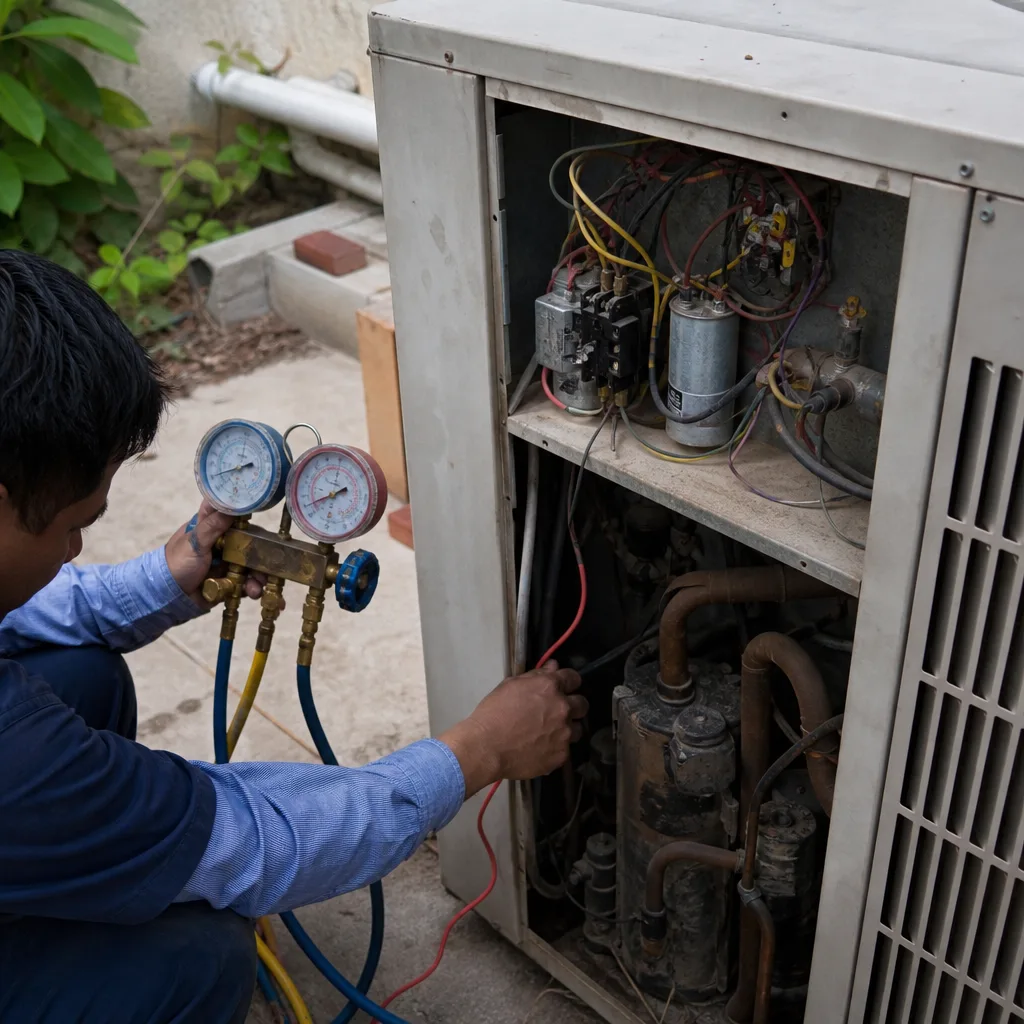 Before
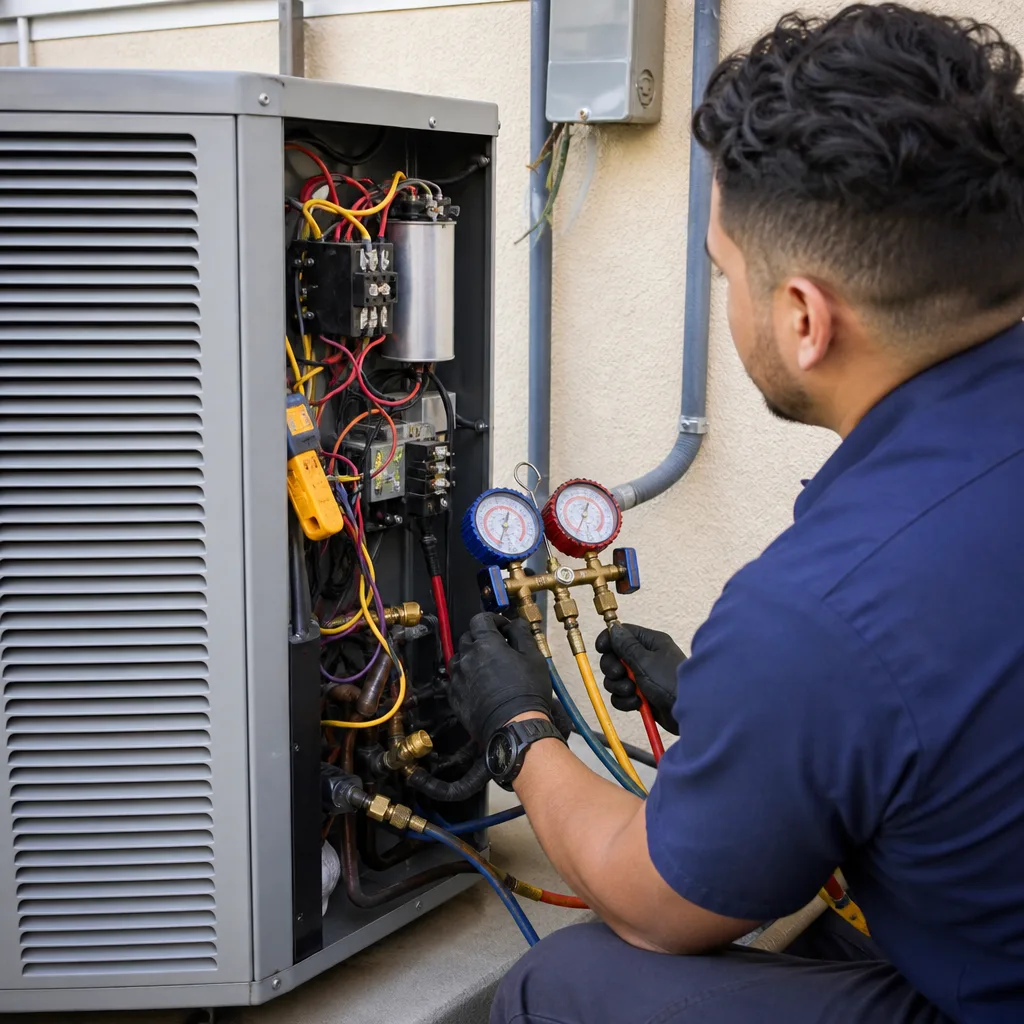
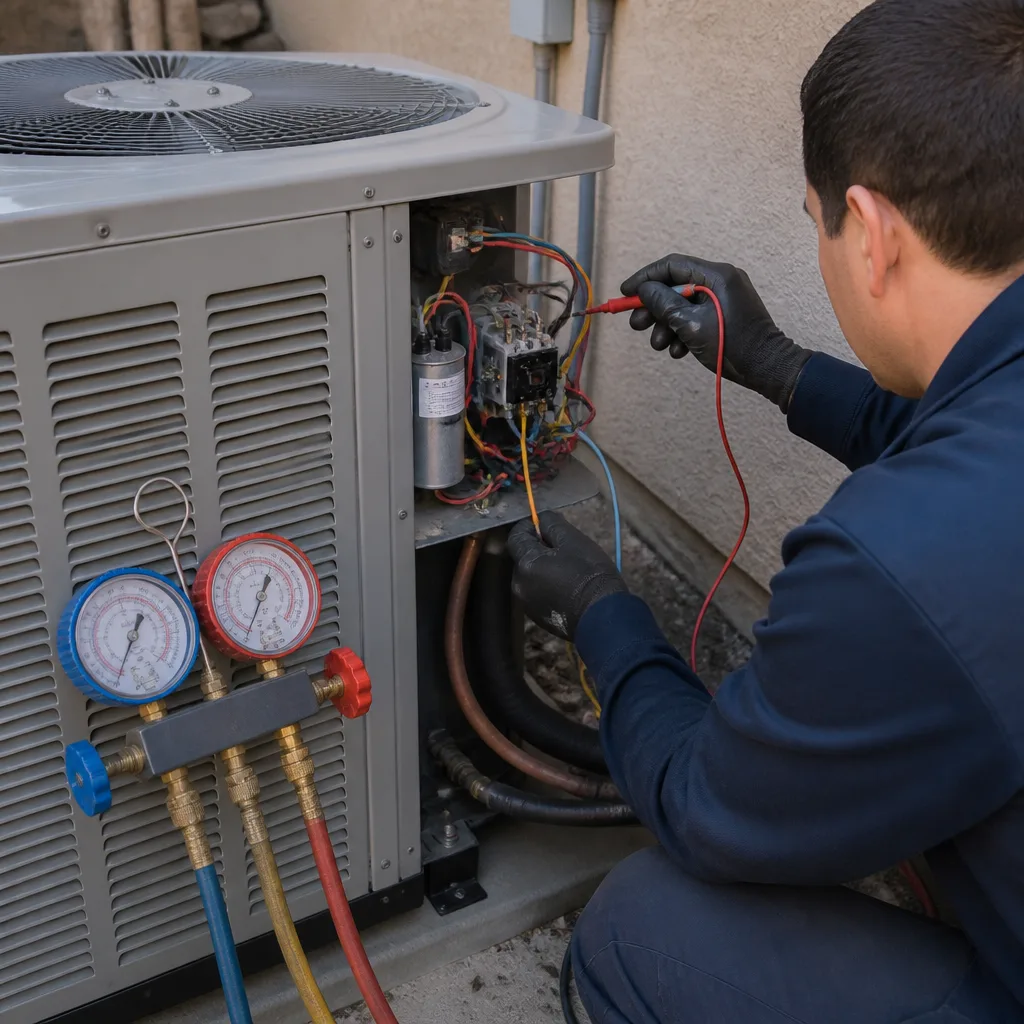 After
After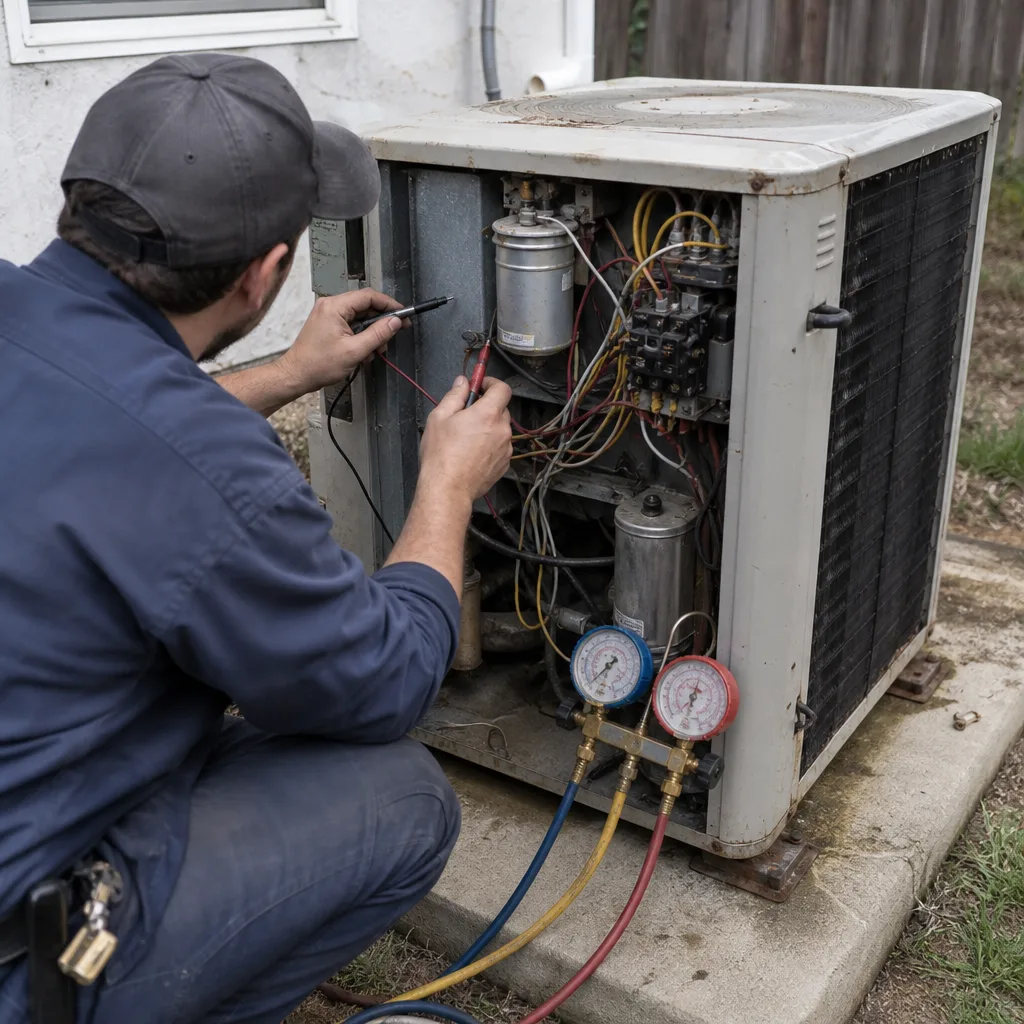 Before
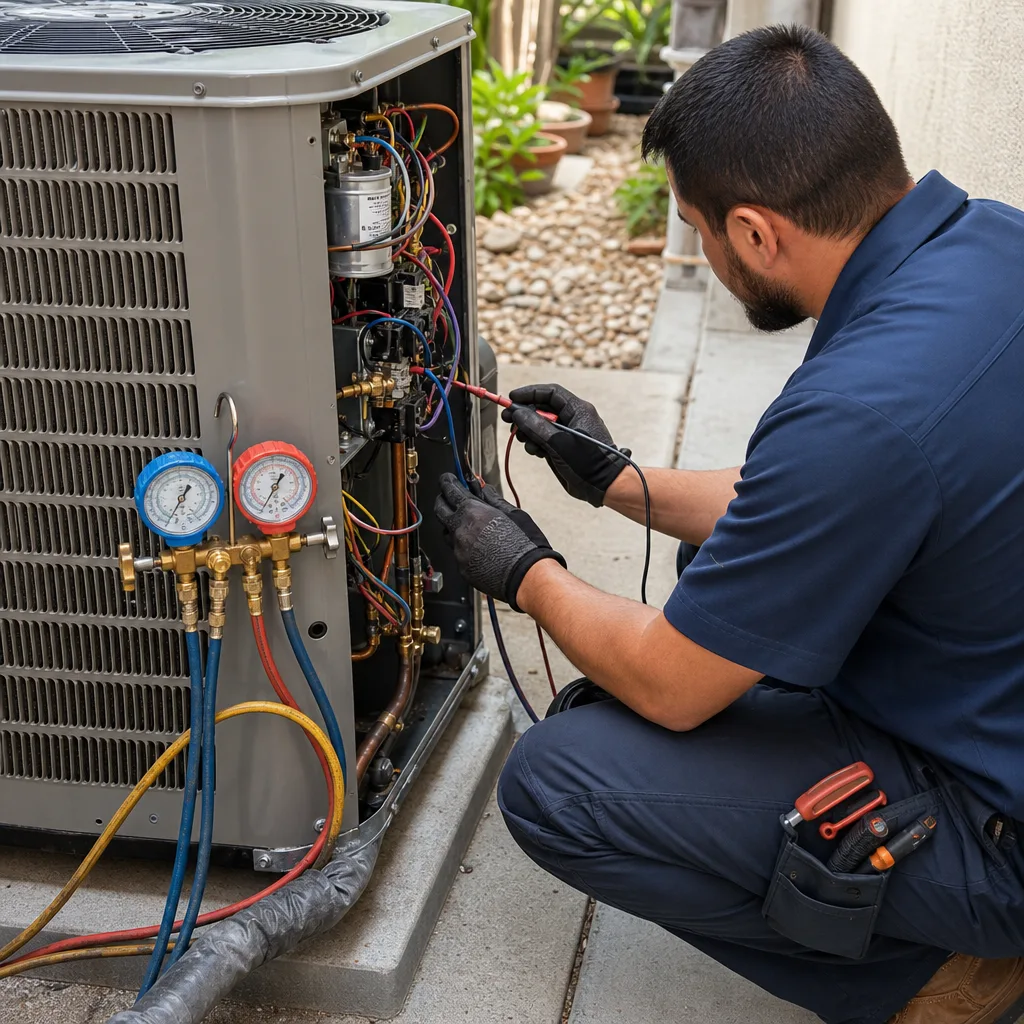 After
After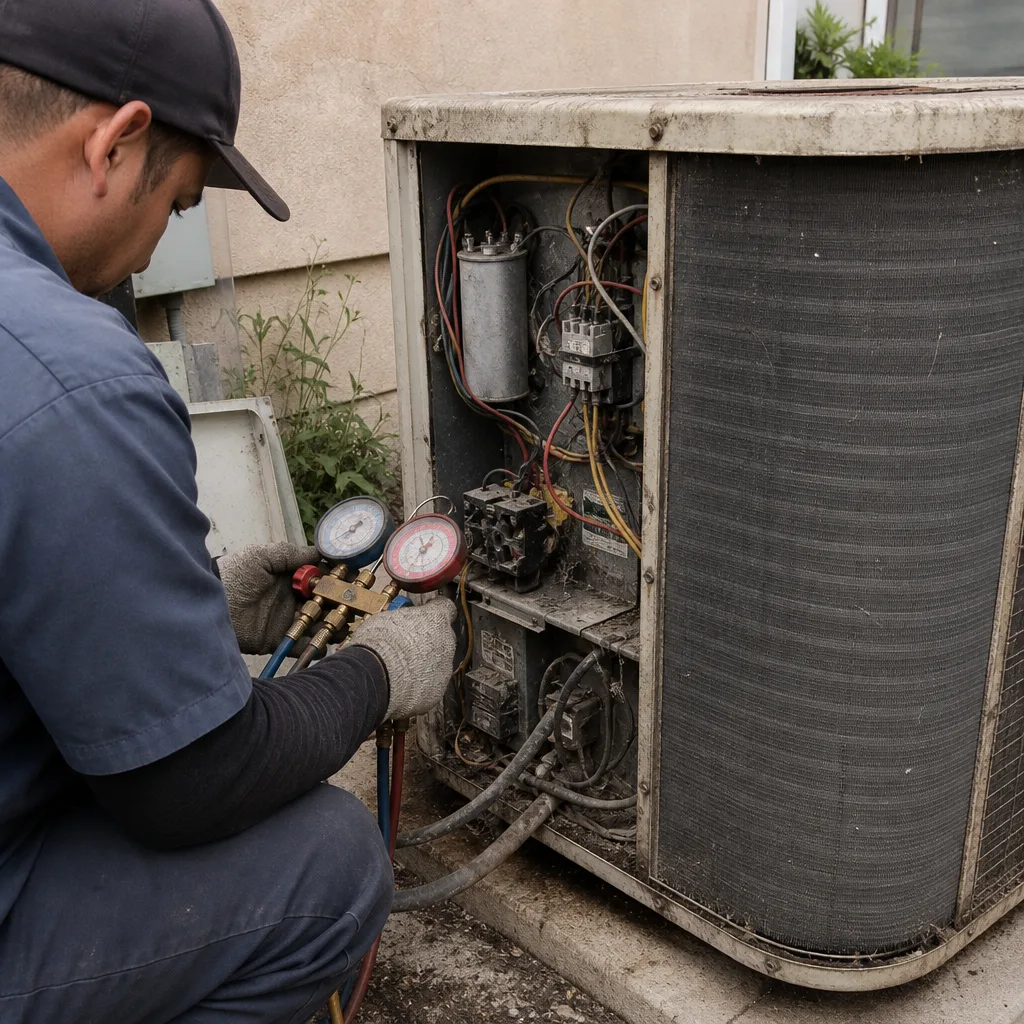 Before
 After
After