
Last updated October 16, 2026
 AC repair
 Furnace & heating
 Heat pumps
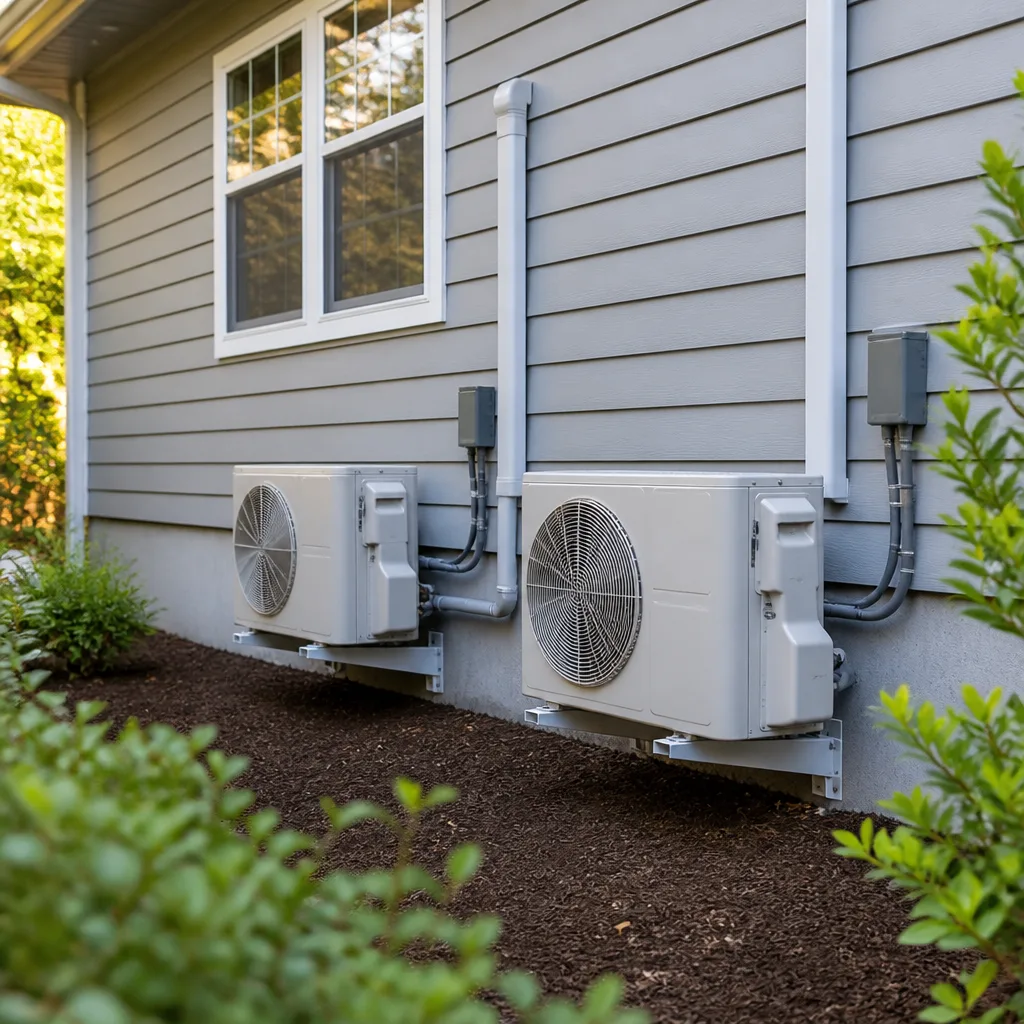 Ductless mini splits
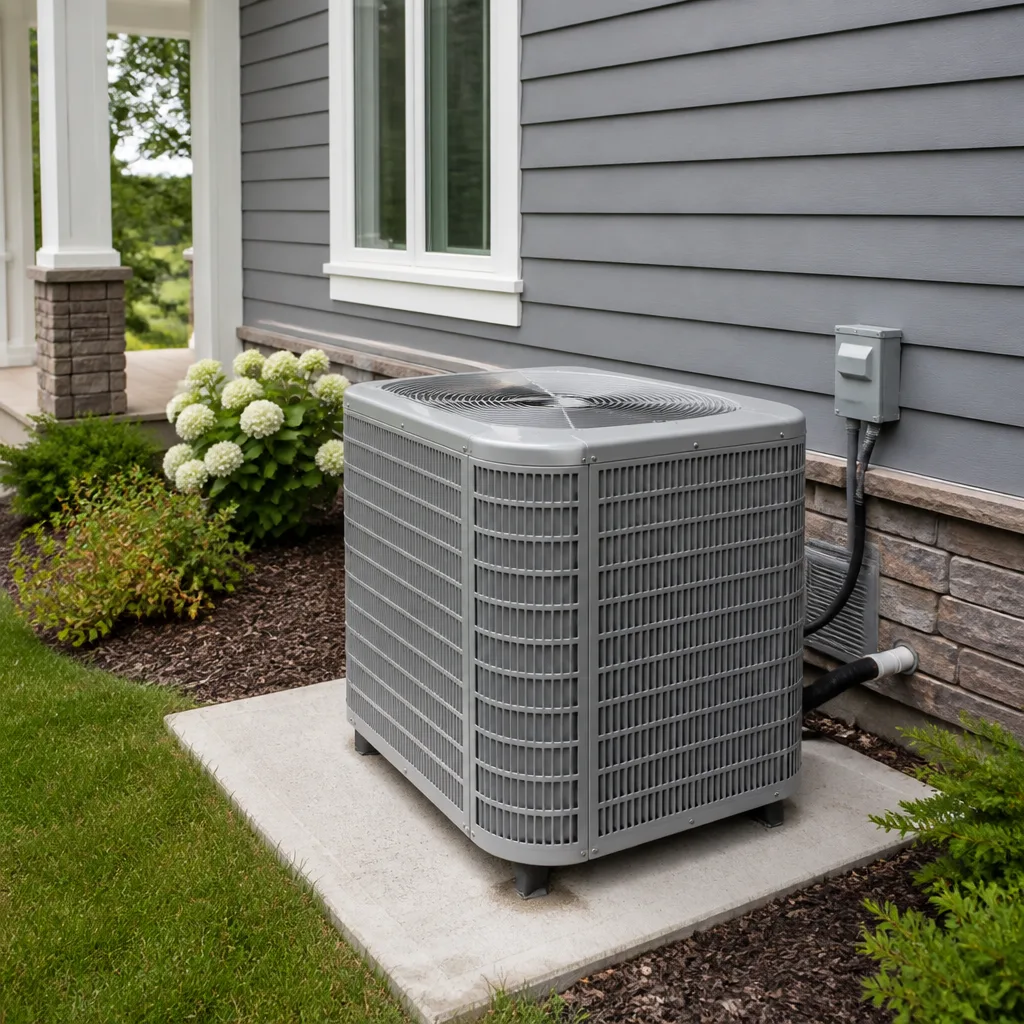 Carrier
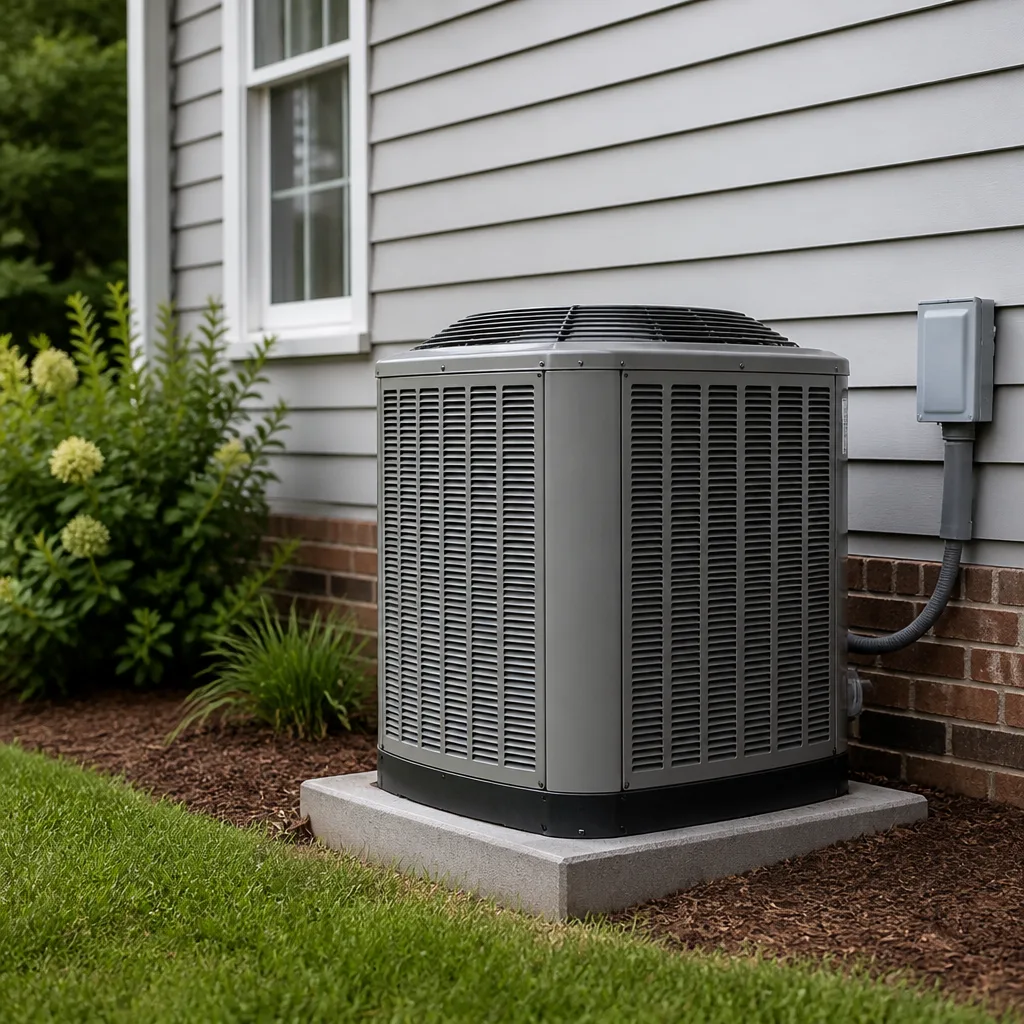 Trane
Trane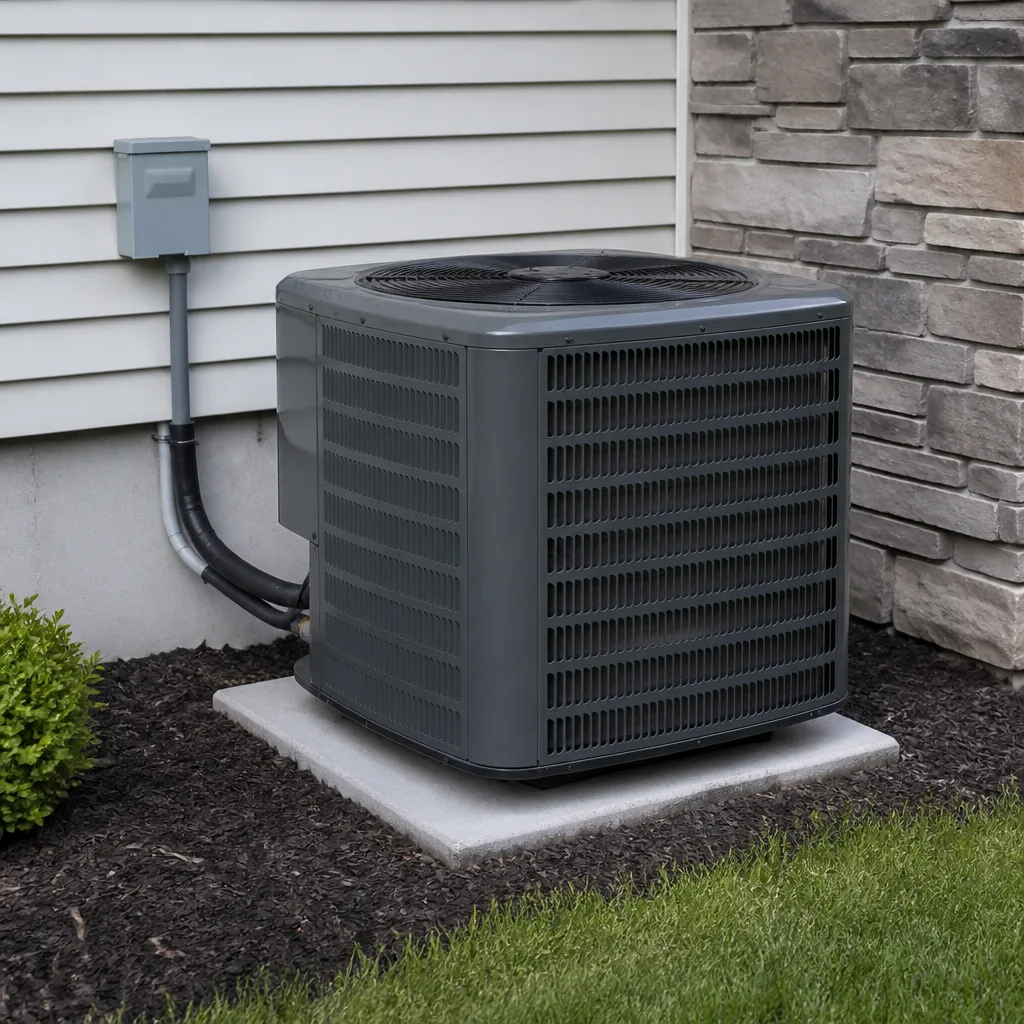 Goodman
Seasonal tune-up and full diagnostic on your Carrier, Trane, or Goodman system - readings shown to you before any repair is proposed
Diagnosis first, numbers second - you approve the repair price before a single part goes in.
Get your free estimateSeasonal HVAC Care for San Diego: Year-Round Homeowner’s Guide
San Diego homeowners who schedule one annual tune-up in April are well-prepared for June, and completely unprepared for the Santa Ana conditions in October that push systems to their hardest run of the year. Our coastal climate fools people. The marine layer keeps temperatures mild for months, so heating and cooling systems sit idle longer than they would in Phoenix or Minneapolis. Then the dry, gusting Santa Ana winds arrive, and a furnace or AC that worked fine in August suddenly fails on the one night you actually need it. This guide walks through what to do each month in San Diego, what to check yourself, when to call someone, and what it should cost. For a broader overview, see The Complete Guide to HVAC in San Diego.
Styles & brands we work with
Quick Answer
Seasonal HVAC care in San Diego works best as a twice-yearly rhythm, not a single spring checkup. Schedule AC service in March or April before the marine layer burns off, and schedule heating service in October before the first Santa Ana event. During wildfire smoke season, check and replace filters monthly regardless of the rated lifespan, because smoke and ash load them far sooner than normal dust.
Table of Contents
- Why San Diego’s Weather Breaks the Standard Maintenance Calendar
- The Month-by-Month San Diego HVAC Care Calendar
- Why Fall is the Highest-Stakes Maintenance Window in San Diego
- Wildfire Smoke and Filter Protocol: What Actually Happens to Your System
- Heating System Care for Inland and Foothill Zip Codes
- Coordinating Maintenance with SDG&E Rate Changes
- DIY Monthly Checks That Take Under 10 Minutes
- Common Mistakes to Avoid
- When to Call a Professional
- Frequently Asked Questions
- The Bottom Line
Why San Diego’s Weather Breaks the Standard Maintenance Calendar
National HVAC advice is written for places with four real seasons. It assumes a furnace works hard all winter and an AC works hard all summer. San Diego doesn’t fit that model. Coastal neighborhoods like Point Loma, Ocean Beach, and La Jolla barely run heating at all most years. Inland areas like El Cajon, Santee, and Escondido see 90-plus degree days from July through September and nights below 40 degrees in December and January. The same city, the same utility grid, completely different equipment demands depending on which side of the 805 you live on.
The marine layer complicates things further. From May through July, morning overcast keeps coastal homes from needing cooling until early afternoon. Then the sun breaks through, and systems that have been dormant for nine months suddenly run for six hours straight. We regularly see AC calls spike in late June from homeowners who skipped spring maintenance because the weather didn’t feel hot yet. The system doesn’t know it’s been idle. It just starts running and any weak capacitor, worn contactor, or low refrigerant charge shows itself within the first week.
The standard “tune-up every spring” advice also misses San Diego’s fall. October and November bring Santa Ana winds: dry, hot, easterly gusts that push temperatures into the 90s even at the coast while humidity drops into single digits. Systems run hard during Santa Ana events, often through the night. And because the previous months were mild, many homeowners haven’t touched their HVAC since spring. A capacitor that was marginal in June is dead by October. A filter that looked fine in August is clogged with wind-driven dust and ash. This is why we recommend a twice-yearly rhythm for San Diego specifically: once in early spring, once in early fall.
The Month-by-Month San Diego HVAC Care Calendar
Here’s the calendar we give homeowners in San Diego. Not every month demands action. The point is knowing which months matter and why.
January
This is peak heating season for inland and foothill neighborhoods. Alpine, Ramona, Poway, and parts of Escondido regularly drop below 40 degrees overnight. If you haven’t had your furnace checked, do it now. Listen for delayed ignition (a thump or bang when the burners light), check that the flame is steady blue not flickering yellow, and make sure the area around the furnace is clear of stored boxes and debris. A furnace that struggles in January often has an ignitor on its last legs. Most furnace ignitor replacements run $150 – $280, parts and labor included, and we cover the repair with our written 365-day guarantee.
February
Heating demand drops off. February is a good month for a visual inspection: walk around the outside unit (condenser) and clear away any leaves, dead plants, or debris that collected over winter. San Diego doesn’t get true freezes at the coast, but foothill neighborhoods can get cold enough that a dirty condenser won’t matter yet. The clean-up now saves you work later.
March
This is the single best month to schedule AC maintenance in San Diego. The cooling season is close enough that any parts you need are still readily available, but far enough out that you won’t be waiting behind a summer service backlog. We recommend a full AC inspection: capacitor check, contactor inspection, refrigerant level verification, coil cleaning if needed, condensate drain clearing, and thermostat calibration. For a detailed breakdown, see our AC Repair Maintenance Checklist for San Diego Homeowners. Expect to pay $89 – $189 for a standard AC tune-up in San Diego, depending on the system type and condition.
April
Second-best month for AC prep. If March got away from you, do it now. You’re still ahead of the June service rush. One specific thing to check in April: your condensate drain line. San Diego’s humidity is low most of the year, but April mornings can be damp, and a clogged drain line will back up and trigger a float switch that shuts down your system right when you need it in June. Pour a cup of white vinegar down the drain line once a year. It’s a two-minute job and prevents the most common avoidable no-cooling call we get.
May and June
Marine layer months. Coastal San Diego stays cool until midday, then systems run from about 1 p.m. to 7 p.m. These are the months when weak capacitors fail. If your AC runs but the fan doesn’t spin or the unit hums without starting, you probably need a capacitor replacement. That’s a $120 – $220 repair in San Diego, and it’s covered by our 365-day guarantee if it fails again. Don’t keep turning the system on hoping it’ll start. You can damage the compressor.
July and August
Peak cooling season. Inland areas run AC hard. Change your filter every 30 days during these months if you have pets or leave windows open. Check the outside condensing unit weekly for dust and debris. Rancho San Diego, Jamul, and parts of Chula Vista get enough dry wind that condenser coils get coated with fine dust faster than most people expect. A dirty coil makes the compressor run hotter and shortens the system’s life. Rinse the coil with a garden hose (not a pressure washer) when it looks dusty.
September
The quiet month. Cooling demand drops. This is a good month to test your heating system briefly: switch the thermostat to heat mode and run it for 10 minutes. Do it now, not in December, because the first time a furnace runs after months of sitting is when ignitors, flame sensors, and gas valves show their problems. If it doesn’t fire properly in September, you have time to schedule a repair before cold weather. This is exactly the kind of fall heating check we recommend, and it’s a natural lead-in to the section below.
October
Santa Ana season begins. This is the month that catches San Diego homeowners off guard. Dry easterly winds spike temperatures into the 90s, and systems run hard when they’ve been mostly idle for weeks. Schedule heating maintenance now if you haven’t already. And keep an eye on the air quality forecast. We cover October in detail below because it deserves its own section.
November
Santa Ana continues, and the brief heating season starts inland. If you live in a zip code where nights drop into the 40s (92025, 92064, 92065, 92040, 91901), your furnace is about to become the most important appliance in the house. A furnace that hasn’t been inspected since last winter should be checked now. Delayed ignition, a weak flame sensor, or a failing ignitor are all common finds. None of them are expensive to fix if caught early. One failed ignitor on a cold night becomes an emergency call, and emergency repairs always cost more for the after-hours labor.
December
Heating season in full swing for inland San Diego. Change the filter monthly if you’re running the furnace regularly. Check the area around the furnace for stored items that block airflow. And if you smell gas at any point, leave the house immediately and call the utility company first, then an HVAC professional. That’s the one situation where you don’t wait for a scheduled appointment.
Why Fall is the Highest-Stakes Maintenance Window in San Diego
Here’s the counterintuitive claim this guide opened with, explained in more detail. In most of the country, fall maintenance is about getting the furnace ready for winter. In San Diego, fall maintenance is about preparing for the hardest combined run of the year: Santa Ana heat events plus the first cold nights inland. Systems that sailed through summer can fail in October because the failure conditions are different.
During a Santa Ana event, coastal San Diego gets hot, dry, gusting conditions that the marine layer normally prevents. Humidity drops into single digits. Static electricity builds up. Dust and fine particulate blow from the deserts westward. Your AC runs at full load through the afternoon and often into the night, because overnight temperatures stay warm when the winds are blowing. Now think about what your system has been doing since August: short runs in the late afternoon, if that. Then suddenly it’s being asked to run 12 hours continuous. A capacitor that was marginal in August dies in October. A contactor with pitted contacts fails when asked to cycle on and off repeatedly. A filter that was dirty in August is clogged with wind-blown dust by October.
We’ve seen more AC failures in October and November than in July and August in some years. The difference is that summer failures happen gradually, and homeowners notice the system struggling. Fall failures happen suddenly, and they happen at night when family is home and the house won’t cool down. That’s the emergency-call premium nobody budgets for.
The fix is simple. Schedule a cooling system inspection in September or early October, before the first Santa Ana event. Check the capacitor, the contactor, the refrigerant charge, and the condensate drain. Replace the filter. This is the cheapest insurance against the most expensive HVAC failure of the year. Our AC repair in San Diego covers all of this, and we write up the findings before we do any work, so you know exactly what you’re paying for.
Wildfire Smoke and Filter Protocol: What Actually Happens to Your System
Wildfire smoke season in San Diego typically runs from September through November, with occasional early-season fires in July and August. Smoke and ash affect your HVAC system in two ways: the filter loads with particulate far faster than its rated lifespan, and the outdoor condenser coil gets coated with fine ash that reduces heat transfer.
A standard 1-inch fiberglass filter might be rated for 90 days of normal use. During a wildfire smoke event, a MERV 8 or better filter can load to capacity in two to three weeks. A loaded filter restricts airflow, which forces the blower motor to work harder, reduces system efficiency, and in the worst case causes the evaporator coil to freeze. If you can hold a flashlight behind the filter and barely see light through it, it’s done. Replace it regardless of how many days it’s been installed.
Here’s a step-by-step filter replacement protocol for smoke season:
- Check air quality reports daily during active fire events. If the AQI in your zip code is over 100, treat your filter as if it’s already half-loaded.
- Inspect the filter weekly during smoke events. Hold it up to a light source. If you can’t see the structure of the filter material, replace it.
- Use a MERV 13 filter during heavy smoke days if your system can handle it. But check the manufacturer’s documentation first. Some older systems can’t move enough air through a high-MERV filter, and the airflow restriction causes more problems than the filtration solves.
- Check the outdoor unit after the smoke clears. Ash settles on the condenser coil and acts as insulation, trapping heat. Rinse the coil gently with a garden hose. Don’t use a pressure washer. The fins bend easily, and once they’re bent, you’ve added another problem.
- Schedule a coil cleaning if you’ve had weeks of heavy smoke. A professional cleaning with the right chemicals removes the fine particulate that water alone can’t get off.
One more thing: during smoke events, run the fan in “on” mode rather than “auto” if your thermostat has that setting. Constant air movement keeps the indoor air mixing through the filter. It’s not as good as a dedicated air purifier, but it’s dramatically better than letting smoke settle in the house. Change the filter more often when you run the fan continuously, because you’re moving more air through it.
Heating System Care for Inland and Foothill Zip Codes
Coastal San Diego barely uses heating. Inland and foothill neighborhoods use it hard, and they use it on equipment that’s been sitting for nine months. This is the pattern we see in Alpine, Ramona, Poway, Julian, and parts of El Cajon and Lakeside. The furnace is dormant from roughly March through November, then it’s asked to run every night from December through February. That disuse period is exactly when small problems become big ones.
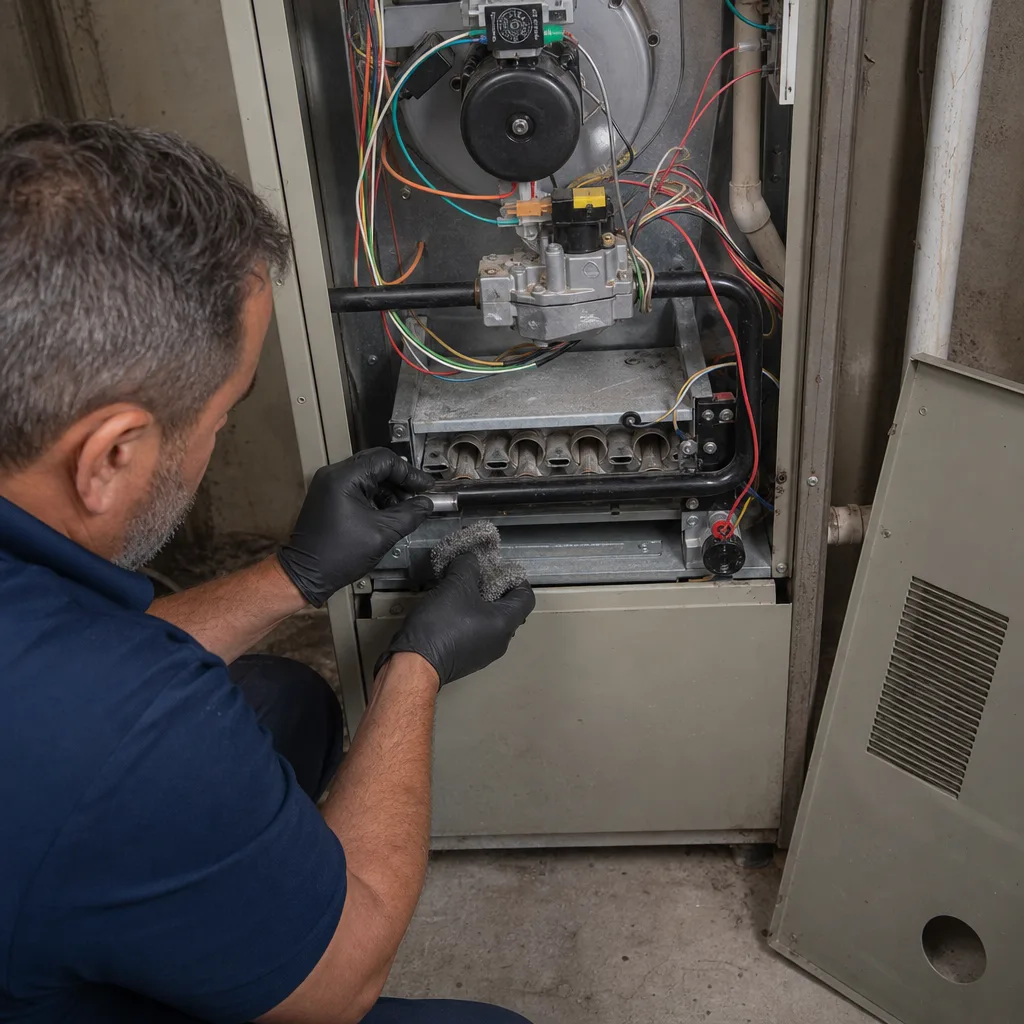
The most common failure we find in foothill zip codes is the ignitor. A hot-surface ignitor is a ceramic element that glows red-hot to light the gas. It’s fragile, and it degrades with each heating cycle. After a summer of sitting, the first startup of the season is when ignitors crack or fail outright. The symptom is a furnace that runs the blower but never produces heat, or a furnace that clicks and tries to light but doesn’t. Replacement is straightforward and runs $150 – $280 in San Diego, parts and labor included.
The second most common issue is a dirty flame sensor. The flame sensor is a small metal rod that sits in the burner flame and tells the furnace’s control board that the gas is actually lit. If it’s coated with carbon or silica (a common byproduct of San Diego’s dry air and occasional wildfire ash), it sends a weak signal. The control board assumes the gas didn’t light, and shuts the burners down for safety. The symptom is a furnace that lights, runs for a few seconds, then shuts off repeatedly. A technician can clean a flame sensor in about 15 minutes, and it’s part of a standard furnace repair in San Diego visit.
What should foothill homeowners do every fall, ideally in October?
- Test the furnace for 15 minutes before you need it. Set the thermostat to heat, set it five degrees above room temperature, and let the system run.
- Listen for a thump or bang when the burners light. That’s delayed ignition, and it means the burners are accumulating gas before it ignites. It’s a sign of dirty burners or a failing ignitor, and it should be checked.
- Check the vent pipe and air intake outside the house. In foothill areas, rodents, spider webs, and leaf litter block these openings during the fall. A blocked intake can cause the furnace to burn poorly or shut down.
- Change the filter before the first cold week. A clean filter is always the cheapest furnace insurance.
If the furnace lights and runs normally during the 15-minute test, you’ve caught the most common startup problem before it becomes an emergency. If it doesn’t, call us at (619) 793-3598. We schedule heating inspections throughout the fall, and every repair we do carries our written 365-day guarantee.
Coordinating Maintenance with SDG&E Rate Changes
San Diego Gas & Electric operates on time-of-use rate plans that charge different prices for electricity depending on when you use it. Under the current structure, rates are highest during the late afternoon and early evening, roughly 4 p.m. to 9 p.m. on weekdays, and lowest overnight and in the early morning. This matters for HVAC maintenance because a system that’s running inefficiently during peak rate hours is costing you more than it would during off-peak hours.
Think about it this way: if your AC has a dirty condenser coil, it draws more electricity to produce the same amount of cooling. That extra electricity is billed at your highest rate if it’s drawn during the 4-to-9 window. The same inefficiency at 2 a.m. costs less. The problem is that San Diego’s hottest hours often overlap with the highest rates, especially during summer and Santa Ana events. You can’t control when the weather hits. You can only control whether your system is running efficiently when it does.
Here’s the practical takeaway: schedule your pre-summer AC maintenance before the rate structure matters. April is ideal. If your system is inspected, cleaned, and verified efficient before June, every kilowatt-hour it draws during peak summer rates is being used more effectively. A system with a dirty coil and a low refrigerant charge draws 20 to 30 percent more electricity than it should. Spread that across three months of peak rates and the waste adds up.
For heating, the same logic applies in reverse. SDG&E offers lower rates during winter months for some customers, but foothill homeowners who heat with electricity (heat pumps, electric furnaces) will still see higher bills if the system is struggling. A furnace inspection in October, before the cold nights arrive, means the heating months run as efficiently as possible. If you’re considering a high-efficiency upgrade, this is also the time to think about a heat pump or a higher-SEER AC unit. An AC installation in San Diego that replaces an old 10-SEER unit with a modern 15-plus-SEER unit will draw substantially less power for the same cooling, and those savings land in your highest-rate hours.
We don’t sell electricity plans, and we’re not affiliated with SDG&E. But we do understand the connection between system efficiency and your utility bill, and we talk about it with every homeowner we serve. The maintenance that costs $150 in April has a way of paying for itself through lower summer and fall bills.
DIY Monthly Checks That Take Under 10 Minutes
Between professional maintenance visits, there are some things every San Diego homeowner should check. None of these involve tools, and all of them catch problems before they become repair calls.
- Listen for unusual sounds. A healthy system has a consistent hum from the blower and a steady fan sound from the outdoor unit. Grinding, squealing, rattling, or banging all indicate specific problems: a failing blower motor, a slipping belt, a loose cabinet panel, or a failing compressor mount. If you hear something new, write down when you heard it and what it sounded like. That helps a technician diagnose faster.
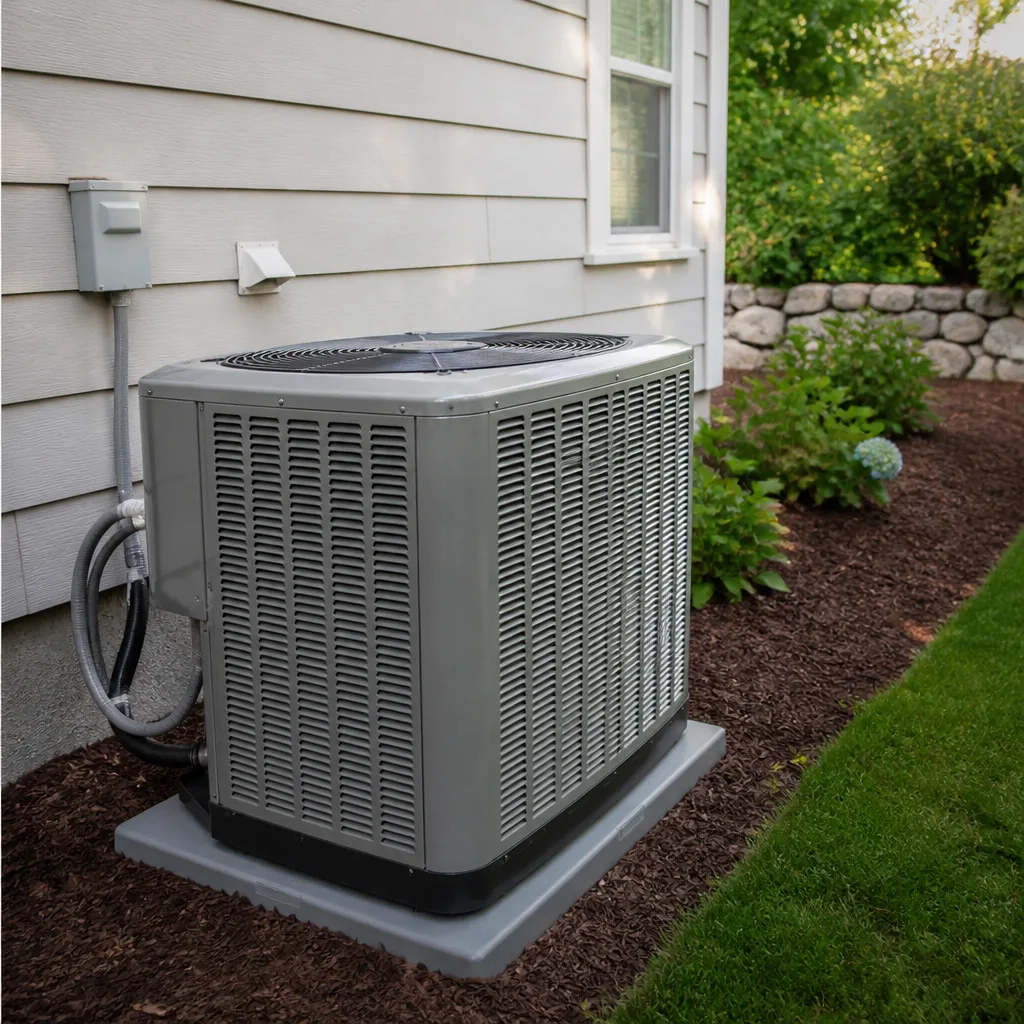
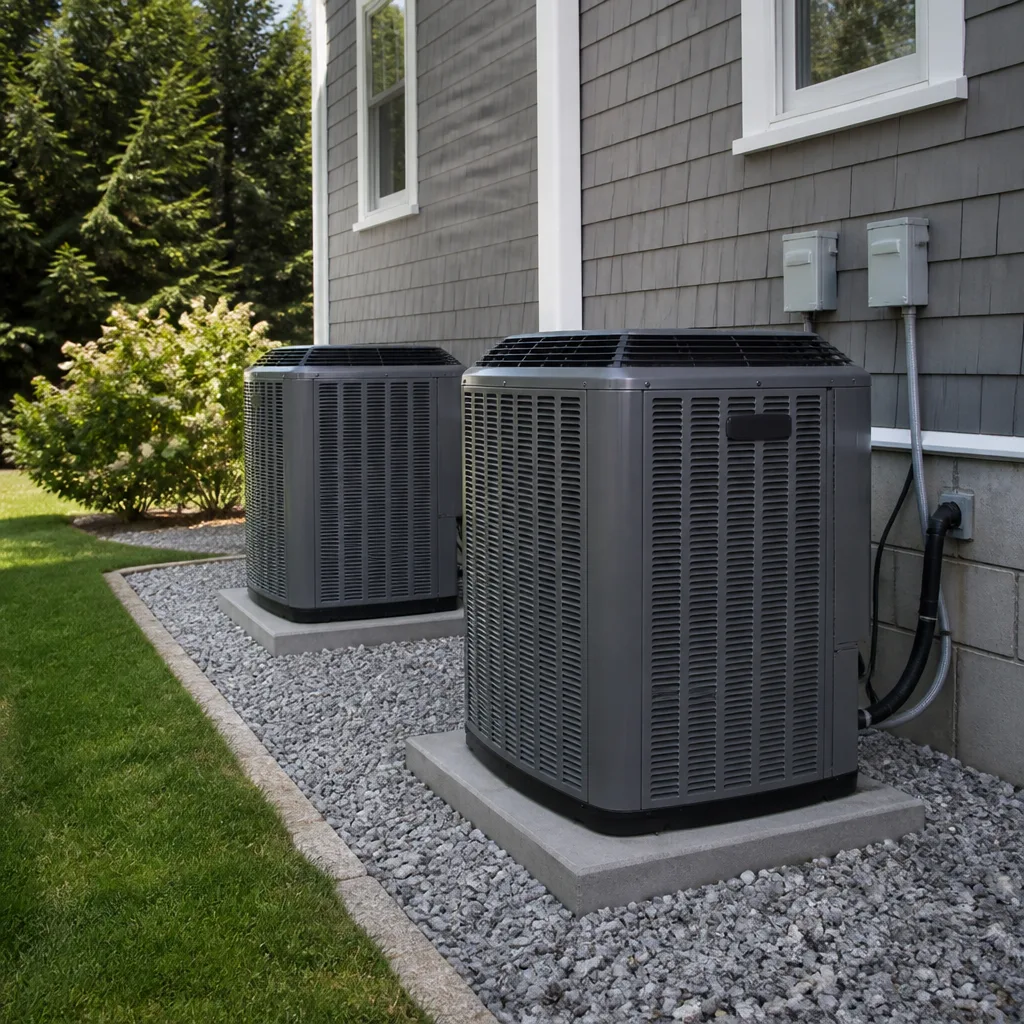
- Check the area around the outdoor unit. Keep at least two feet of clearance on all sides. Cut back plants, remove leaves and debris, and check that no irrigation spray is hitting the condenser. San Diego’s warm climate means plants grow fast, and a condenser that was clear in March might be surrounded by shrubbery in July.
- Eyeball the condensate drain. If you see water pooling around the indoor air handler or the drain line, the drain is clogged. A clogged drain can trigger a float switch that shuts down the system entirely. Pouring white vinegar down the line once a month is cheap insurance. If the drain backs up despite vinegar, call us and we’ll clear it properly.
- Check the thermostat batteries. Yes, this one sounds too simple. But dead thermostat batteries are a common reason for a no-heat or no-cool call. If your thermostat screen is blank or dim, or if it’s not responding to input, the fix might be two AA batteries. Check the batteries before you call anyone.
- Watch your system’s runtime. If your AC is running constantly and not reaching the set temperature, something’s wrong. Short cycling (turning on and off every few minutes) is also a sign of trouble. Either pattern tells you the system needs attention before the problem gets bigger.
Common Mistakes to Avoid
- Treating maintenance as an annual event in San Diego. The city’s real weather pattern needs a spring check for cooling and a fall check for heating. One visit per year leaves either the cooling season or the heating season unprotected.
- Skipping the fall furnace test because the furnace worked fine last winter. Ignitors and flame sensors fail during disuse, not during operation. The furnace that was fine in February is the one that surprises you in December.
- Using a too-high-MERV filter during wildfire season in a system not rated for it. A MERV 13 filter restricts airflow. If your system wasn’t designed for that level of restriction, you’ll freeze the coil or overheat the blower motor. Check the manufacturer’s specifications before upgrading filter density.
- Ignoring the 4-to-9 p.m. peak rate window when deciding when to run the system. You can’t always control when you need cooling, but you can pre-cool the house during lower-rate hours and reduce the load during the peak window. A programmable thermostat pays for itself quickly.
- Waiting until the first hot day to call for AC service. By June, every HVAC company in San Diego is running a backlog. Scheduling in March or April gets you your choice of appointment times and a system that’s ready before you need it.
- Using a pressure washer on the condenser coil. The fins are thin aluminum, and a pressure washer bends them flat. Bent fins reduce airflow and make the system work harder. Use a garden hose or call a professional.
- Not taking gas smells seriously. If you smell gas around the furnace or anywhere in the house, that’s not a maintenance issue. That’s an emergency. Leave the house and call your utility company first.
When to Call a Professional
Some things are DIY-friendly. Changing a filter, checking thermostat batteries, and keeping the outdoor unit clear are all homeowner jobs. Other things need a trained technician with the right tools and diagnostic equipment. Not sure which category your task falls into? Read our DIY vs Professional HVAC: The San Diego Homeowner’s Decision Guide. Call a professional if your system is short-cycling, making unusual noises, running constantly without reaching the set temperature, or showing signs of a refrigerant leak (ice on the lines, hissing sounds, warm air blowing). Gas furnaces should only be serviced by someone who knows how to check gas pressure, manifold pressure, and heat exchanger integrity. The same goes for anything involving high-voltage electrical work at the disconnect or the breaker panel. Coldharbour Heating & Air offers free estimates in San Diego. Call (619) 793-3598 and a real person answers, 24 hours a day, 7 days a week.
Frequently Asked Questions
Twice a year in San Diego: once in spring (March or April) for cooling, and once in fall (October) for heating. The city’s coastal climate means systems sit idle for long stretches, and both startup seasons bring their own failure patterns. Call us at (619) 793-3598 to schedule either visit.
A standard AC tune-up in San Diego runs $89 – $189 depending on system type and condition. A furnace inspection typically runs in the same range. Both include a written report of what was found, and Coldharbour Heating & Air provides a written price before any work begins, so there are no surprises at the door.
Santa Ana conditions push systems from idleness to continuous high-load operation in a matter of hours. Dry, gusting winds also add dust load to filters and coils. Any weak component that survived summer’s short runs fails when asked to run for 10 to 12 hours straight in October or November.
Check the thermostat batteries, check that the furnace switch (the wall switch that looks like a light switch near the furnace) is on, and check the breaker panel. If all three pass and the furnace still doesn’t run, the ignitor or flame sensor is likely the issue. Call (619) 793-3598. Our furnace repairs are covered by a written 365-day guarantee.
Only if your system is designed for the increased airflow resistance. Check the equipment documentation or ask a technician. A filter that’s too restrictive can cause the evaporator coil to freeze or the blower motor to overheat. When in doubt, stick with the manufacturer-recommended MERV rating and replace it more often.
That depends on age, condition, and repair history. A general rule: if a repair costs more than a third of a new system’s price and the equipment is over 12 years old, replacement starts to make sense. Our AC installation in San Diego includes an honest assessment of whether repair or replacement is the better long-term value. Call (619) 793-3598 for a free estimate.
Yes. Our technicians are trained to work on Carrier, Trane, Lennox, Goodman, Rheem, York, Daikin, Bryant, and American Standard equipment. We don’t have brand-specific technicians or restricted service areas. The same crew that installs a new San Diego HVAC system can service the one already in your home, whatever brand it is.
The Bottom Line
San Diego’s HVAC demands aren’t like the rest of the country’s. The marine layer delays cooling season. The Santa Ana winds crash into fall. The foothills need real heating while the coast barely notices. A maintenance schedule built around San Diego’s actual weather means two visits per year: one in early spring for cooling, one in early fall for heating. Between visits, watch the filter, listen for new sounds, and keep the outdoor unit clear. When something does go wrong, written prices, firm arrival windows, and a 365-day repair guarantee are what Coldharbour Heating & Air puts on the table every time. We’ve been serving San Diego since 2003, and we’re still answering the phone with a real person. For more guides & resources, visit our blog.
Call (619) 793-3598 for a free estimate on any HVAC service in San Diego. A live person answers, day or night.
Written by Victor Mancini, Owner at Coldharbour Heating & Air San Diego, serving San Diego since 2003.
See the difference
 Before
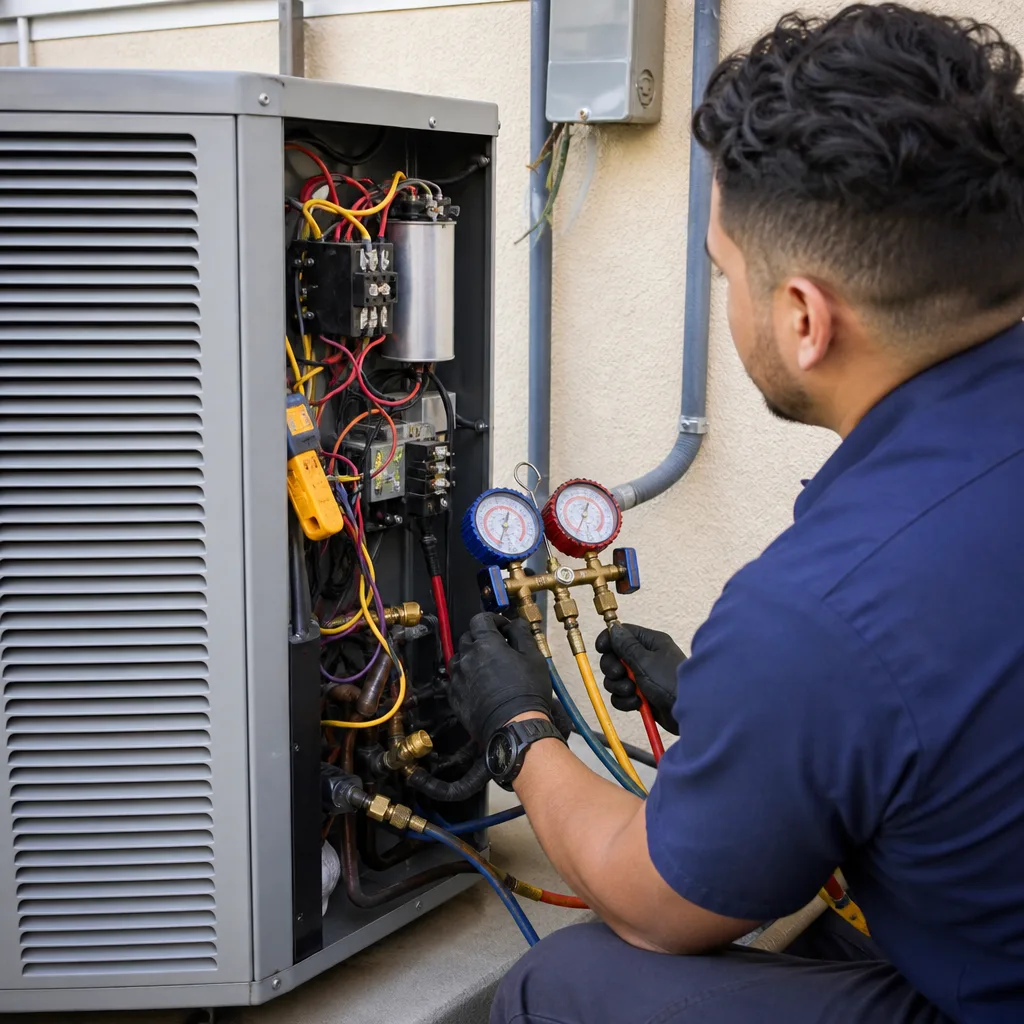
 After
After Before
 After
After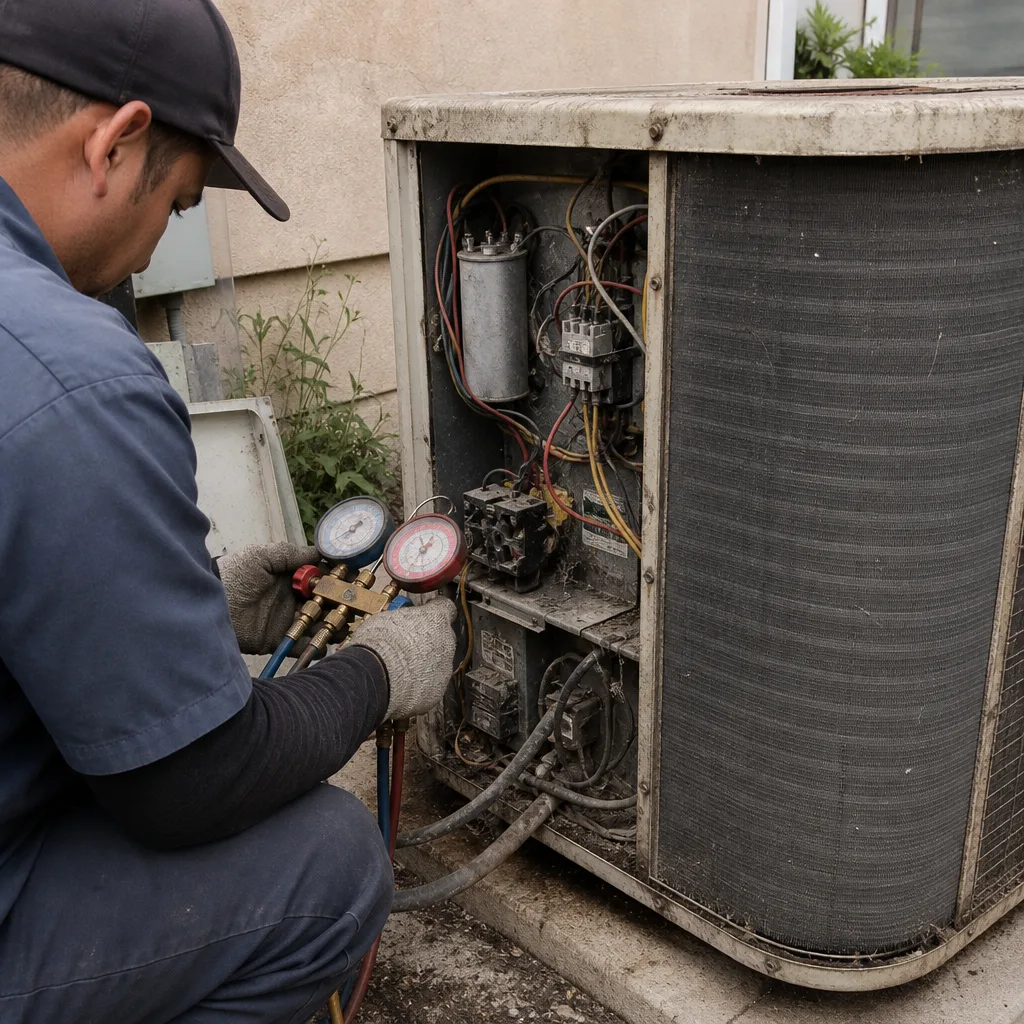 Before
 After
After